Mediterranean coasts in September: warm seas, quieter ramps
September off-peak is when accessible Mediterranean destinations finally breathe. Summer infrastructure stays open, yet crowds thin and hotel prices typically fall by around fifteen to twenty percent compared with the peak season months of July and August, according to regional tourism board summaries such as the European Travel Commission Quarterly Report, Q4 2023 and Spain’s Instituto de Turismo de España 2023 seasonal analysis. For wheelchair users and any wheelchair user travelling with family, that shift means more time to talk with staff about access needs and less time fighting through queues at tourist attractions.
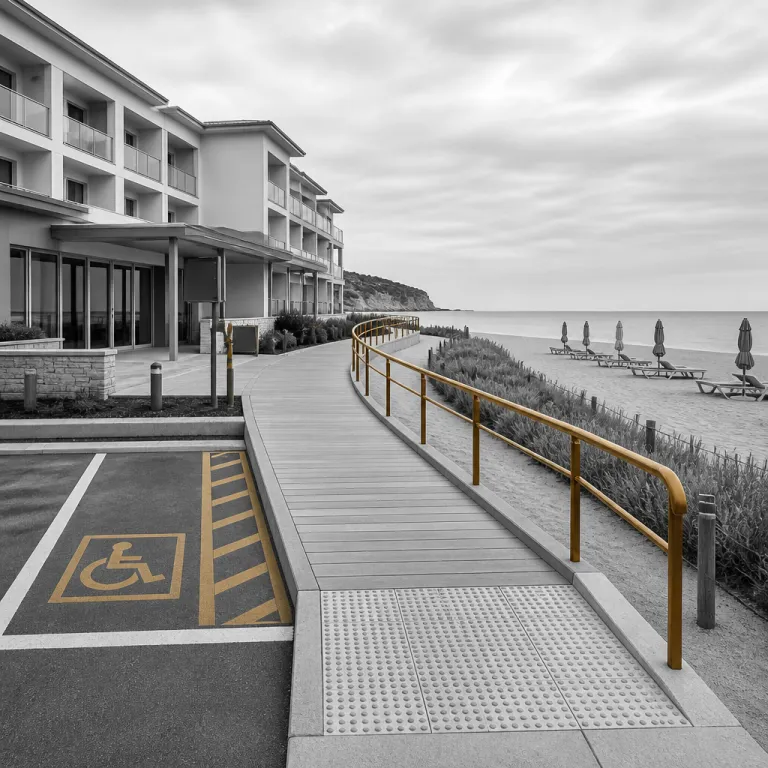
On the water, the best accessible beach experiences balance soft sand with solid pathways. Look for resorts that provide beach wheelchairs, accessible showers and clear information about the gradient between the promenade and the beach itself. As a practical benchmark, ramps with a slope of 1:12 or gentler and doorways at least 80–85 cm wide usually work better for power chairs. In many Mediterranean travel destinations, September seas remain warm enough for long swims while the air temperature drops just enough to make rolling along a coastal path in a power chair comfortable rather than punishing.
Valletta in Malta is a strong example of how a compact city can work for accessible travel in fall. The fortified streets of Valletta Malta are steep in places, yet modern lifts, level ferry access and carefully mapped curb cuts turn a potentially difficult visit into a manageable and rewarding trip. Local access audits by the Malta Tourism Authority highlight step free routes from the City Gate area to the waterfront and confirm that most major museums now offer lifts and accessible toilets. When you are planning your time to visit, aim for mid September, when cruise ship numbers ease and you can read the city’s layered story without battling peak season congestion.
Families balancing school calendars and multi generational needs often find September the best compromise. Grandparents who are wheelchair users appreciate cooler evenings on the terrace, while children still enjoy the pool and late daylight hours. To secure the best prices on accessible rooms, use travel deal websites early, then call the hotel directly to confirm that the room is genuinely wheelchair accessible, with a roll in shower, grab bars and enough turning space for a power chair. Ask for simple measurements such as bed height, shower entrance width and the clearance under the sink so you can compare options with confidence.
North American cities after Labor Day: culture, space and sharper value
Across the United States, the weeks after Labor Day quietly transform urban accessible travel hotspots. Business travel resumes, but leisure crowds drop, leaving accessible hotel inventory easier to secure and room rates more negotiable for longer stays. Tourism boards and city visitor reports, including data from Destination Analysts’ Fall Travel Outlook 2023 and the U.S. Travel Association, often note that the decrease in tourist numbers in September can approach twenty to thirty percent, which you feel immediately when visiting major museums or lining up for accessible tours.
San Diego shows how a coastal city can serve wheelchair users well once the summer rush fades. The waterfront paths remain fully accessible, beach wheelchairs are still available at key beaches, and the climate stays gentle enough for long days outside without the intense glare of peak season. City accessibility maps list curb ramp locations along the Embarcadero and highlight accessible restrooms near the main piers. For families, this is the time to visit the city’s major tourist attractions with shorter queues, more attentive staff and a calmer atmosphere that suits both children and older travellers.
Further inland, Fort Wayne in Indiana is emerging as one of the more interesting accessible travel destinations for value focused families. In Fort Wayne Indiana, you will find step free access at the main cultural venues, wide hotel corridors and a growing network of accessible trails along the rivers. Local visitor information notes that many newer properties follow ADA guidance on door widths and turning circles, which helps wheelchair users move more freely. Because this is not a classic peak season hotspot, September brings particularly attractive prices, making it easier to book larger rooms or connecting suites that work for a wheelchair user travelling with children.
Glasgow in Scotland deserves a place on any fall city shortlist, especially for travellers who prioritise culture. The city’s museums are free, many are fully wheelchair accessible, and the compact centre keeps transfer times short for power chair users. Accessibility statements from major venues confirm level entrances, lifts to all public floors and accessible toilets with grab rails. When you compare Glasgow Scotland with more famous capitals, you often secure better hotel prices in September, while still enjoying a full calendar of concerts, exhibitions and accessible events that justify the trip.
For readers who want a deeper travel guide to how accessibility standards are being raised across the Atlantic, the analysis of a British platform that aims to professionalise hotel accessibility at scale in the United States offers useful context at this detailed industry overview. It shows how dynamic pricing, better data and professional audits are reshaping the way wheelchair accessible rooms are sold in both city and resort properties. That shift directly benefits travellers who choose September, when accessible inventory is less constrained and staff have more time to respond to specific requests.
Asian gateways and national parks: cooler air, clearer paths
As monsoon patterns ease and temperatures soften, several Asian hubs become compelling off-peak options for accessible travel in September. Cities such as Tokyo, Bangkok and Singapore combine extensive public transport with steadily improving step free access, which matters when you are visiting with a wheelchair or power chair. Municipal accessibility plans in these cities now track elevator coverage, tactile paving and low-floor buses, making it easier to plan routes in advance. Travelling in fall also means less humidity, shorter queues and more time to read signage, navigate elevators and enjoy the overall experience without rushing.
For travellers who prefer nature, September can be an ideal time to visit certain national parks, provided you choose carefully. In the United States, many national park authorities keep accessible shuttles and paved viewpoints running through late September, while the crowds of peak season have already thinned. The U.S. National Park Service accessibility pages outline which trails are paved, where to find accessible parking bays and whether shuttle buses have ramps or lifts. Always check the official park website before your trip, because some high altitude routes close early and you want to match your time to visit with both weather and service schedules.
Multi generational families often combine a major Asian city with a quieter coastal or countryside stay. This approach allows wheelchair users to enjoy accessible urban tourist attractions, then unwind somewhere with step free paths, accessible rooms and calmer evenings. When you are planning, remember that average hotel price reduction in September is commonly reported in the fifteen to twenty percent range by industry sources such as STR Global and regional hotel benchmarking studies, which makes it easier to upgrade to properties that offer hoists, pool lifts and verified wheelchair accessible bathrooms.
For those tracking new openings, September is also when many luxury and premium hotels start soft launching accessible rooms after the intense summer period. A detailed overview of new accessible properties worth watching this season can be found in the summer openings report at this curated selection of new accessible hotels. Reading that kind of travel guide alongside local access blogs helps you build a realistic picture of what your stay will feel like, from the ramp gradient at the entrance to the width of the balcony doors. Where possible, look for references to independent accessibility audits or certifications, which add an extra layer of reassurance.
How September stretches your budget and your comfort
From a value perspective, travelling in September offers a rare combination of lower prices and higher comfort. Travel industry reports indicate that average hotel price reduction in September often hovers around fifteen to twenty percent, while tourist numbers in many destinations drop by roughly a quarter compared with the height of summer. That pattern appears repeatedly in analyses from STR Global, the European Travel Commission and several national tourism boards. The gap translates into quieter breakfast rooms, more flexible check in times and staff who can actually pause to listen to your access story.
For wheelchair users, this breathing space matters as much as the savings. When a hotel is not running at full peak season occupancy, it is easier to secure the exact wheelchair accessible room you reserved, rather than a compromise that almost works. You also have more time to test features such as shower seats, bed height and balcony thresholds, and to request adjustments before you settle in for the night. Simple changes like adding a portable ramp or removing a spare chair can transform how usable a room feels.
Families planning a fall trip should think in terms of total experience rather than headline prices alone. A slightly higher nightly rate in a genuinely accessible property can still represent the best value once you factor in reduced stress, fewer taxis and less wasted time visiting unsuitable tourist attractions. Booking mid week in September often sharpens the numbers further, especially in business focused city districts where leisure demand is softer. If your schedule allows, arriving on a Sunday or Monday can open up more accessible room categories at better rates.
When you read online reviews, focus on recent comments from wheelchair users and travellers with power chairs, because accessibility can change quickly as hotels renovate. Look for specific details about ramp angles, lift reliability and staff training, not just a generic wheelchair symbol on the website. Mentions of door widths, bathroom layout and how staff handled unexpected issues often tell you more than star ratings. This article is designed as a short snapshot of where September shines, but your own planning, questions and lived experience will turn these destinations into your personal accessible travel guide.
FAQ about accessible September off-peak travel
What are the main benefits of travelling in September for wheelchair users ?
Travelling in September usually means fewer crowds, lower prices and more comfortable weather for wheelchair users. With around a fifteen to twenty percent average reduction in hotel prices and an estimated twenty to thirty percent drop in visitor numbers in many regions, staff have more time to assist with access needs. These ranges are consistent with seasonal data published by the European Travel Commission, the U.S. Travel Association and hotel benchmarking firms such as STR Global. Summer infrastructure such as ramps, beach wheelchairs and accessible tours generally remains in place, so you keep the benefits of peak season without the pressure.
Which types of destinations work best in September for accessible travel ?
Mediterranean coastal areas, North American cities after Labor Day and selected Asian hubs tend to be the best accessible travel September off-peak destinations. In these places, the climate stays pleasant, cultural calendars remain full and accessible services continue operating into fall. National parks with paved viewpoints and shuttle systems can also work well, provided you confirm seasonal schedules in advance. Checking official tourism board accessibility pages before you book helps you match your own mobility needs with what each destination currently offers.
How far in advance should I book an accessible room for September ?
Even though September is off peak, accessible rooms remain limited, so booking three to six months ahead is wise. Reserve a specific wheelchair accessible room category, then contact the hotel directly to confirm details such as bathroom layout and bed height. If you use a power chair, ask about lift dimensions and the width of the narrowest doorway on the route from reception to your room. Flexible booking options allow you to adjust dates if you later find better prices or more suitable travel destinations.
How can I check whether a hotel is genuinely wheelchair accessible ?
Start by reading recent reviews from wheelchair users and travellers with power chairs, paying attention to concrete details rather than general praise. Ask the hotel for photos and measurements of the room, bathroom and key routes, including the distance from the entrance to lifts and restaurants. Clarify whether there are any steps at emergency exits or terrace doors, as these are often overlooked. When possible, choose properties that have undergone professional accessibility assessments, as these usually go beyond basic legal compliance.
Are September festivals and events usually accessible ?
Many September cultural events now include accessible programming, but the level of provision varies by city and organiser. Before your trip, check official event websites for information on step free access, accessible seating, captioning or audio description, and any services for visitors with reduced mobility. Contacting organisers directly often yields the most accurate, up to date information about what to expect on the day. If you rely on a wheelchair accessible shuttle or paratransit service, confirm operating hours for the specific dates of the festival so you can plan your return journey comfortably.