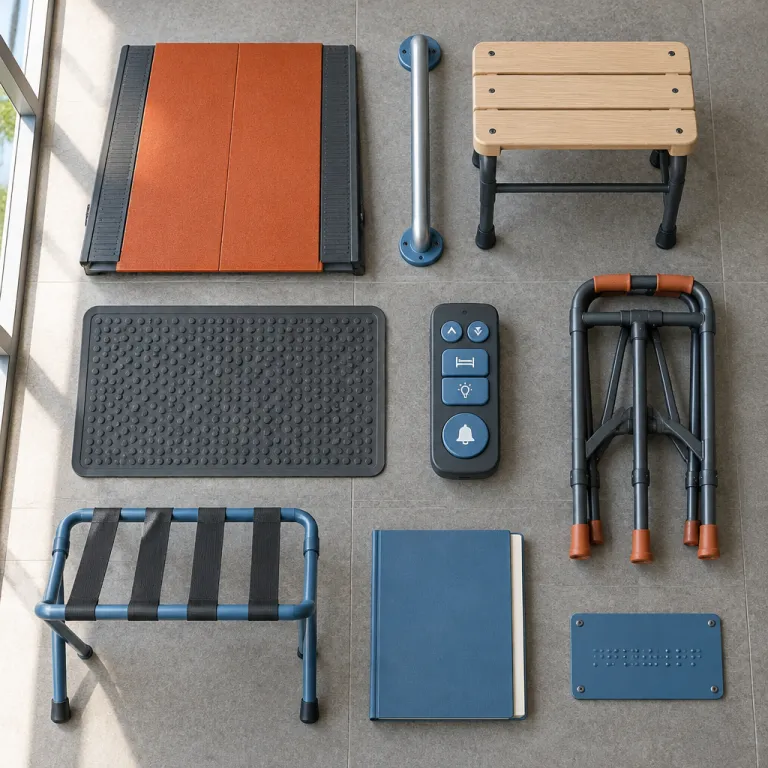
From niche to new normal: aging travelers and universal design
Luxury hospitality is quietly being reshaped by aging travelers whose expectations now extend far beyond a pretty lobby. As the demographic wave of baby boomers moves into later life, older guests now represent a growing share of global tourism spending, with the UN World Tourism Organization estimating that travelers over 60 will take more than 2 billion trips annually by 2050. For guests who value independence, the most desirable design elements are often the ones that make moving through a hotel feel simple, intuitive, and dignified.
When architects talk about universal design, they mean creating spaces, facilities, and services that work for the widest range of users without the need for adaptation. For hotels, that means design principles that treat accessibility as a core part of the built environment, not an afterthought bolted onto a few rooms at the end of a corridor. The same grab bars, wider doorways, and level thresholds that support people with disabilities also make life easier for older adults managing joint pain, balance issues, or temporary health care needs after surgery.
Luxury travelers increasingly judge a hotel by how it feels to live in, not just how it photographs. That shift is pushing owners and real estate investors to include accessibility in every stage of the design process, from surface materials that reduce slips to wayfinding that works for tired eyes. For a new generation of adult guests, an accessible hotel room is not a compromise but a premium option, where comprehensive design solutions quietly remove friction from every step of the stay.
Inside the room: where aging comfort and accessibility quietly align
Step into a well considered accessible hotel room and you see how inclusive thinking for older travelers translates into everyday comfort. The bed sits at a practical height, the path around it is clear, and tactile switches are placed where real users actually reach in the dark. These are not special facilities for people with disabilities only; they are design solutions that make living easier for any adult guest arriving jet lagged or unsteady after a long flight.
Thoughtful inclusive design starts with circulation, then layers in details that feel almost invisible. Lever handles replace knobs, surface materials are chosen for grip under wet feet, and the shower is a level, roll in space with a bench that serves both wheelchair users and older adults who prefer to sit while washing. When design principles are applied consistently, the hotel room becomes a calm, simple intuitive environment where you never have to stretch, twist, or guess how something works.
For premium properties, the commercial logic is clear. A single universally accessible room type can welcome the widest range of guests, from a boomer traveler with reduced mobility to a younger person recovering from a sports injury. Brands such as Marriott, Scandic, and The Ascott Limited have begun standardizing accessible room layouts across portfolios, reframing their marketing from “accessible” to “comfortable at any age” and showing how that shift can be both ethical and profitable.
Public spaces, wayfinding, and the art of moving with ease
The real test of accessibility in a luxury hotel rarely happens inside the room; it happens in the public spaces between the lobby, the restaurant, and the spa. For aging travelers, priorities show up in the width of corridors, the clarity of wayfinding, and the comfort of seating where people can pause without feeling in the way. When inclusive design is done well, older adults and people with disabilities move through the same elegant spaces as everyone else, without detours or back of house routes.
Lighting, acoustics, and tactile cues are as important as ramps and elevators. Clear signage with high contrast fonts, logical sightlines, and simple intuitive icons help users with low vision or cognitive fatigue navigate complex built environment layouts. In the best properties, content design for signage is treated as seriously as the interior design itself, with language that is concise, respectful, and free of jargon.
Lobby lounges, bars, and restaurants are also being rethought through a universal design lens. Varied seating heights, armrests that support standing up, and circulation routes wide enough for mobility devices all contribute to facilities that feel welcoming rather than clinical. Nordic properties, including several major chains in Sweden and Norway, show how outdoor spaces, terraces, and even rooftop bars can be made genuinely accessible without sacrificing atmosphere or style.
Outdoor spaces and wellness: when health care meets hospitality
As boomers age, the line between health care and hospitality is blurring, especially in resort settings where wellness is part of the promise. Inclusive thinking is now shaping outdoor spaces, from pool decks to garden paths, so that people of every age can enjoy them safely. Gentle gradients, non slip surface materials, and handrails that feel like part of the architecture rather than medical add ons are becoming hallmarks of thoughtful design.
Pool areas are a revealing case study. A working hoist, wide steps with contrasting edges, and shaded seating close to the water are design universal features that serve wheelchair users, older adults, and families with small children equally well. When properties include these elements from the start of the design process, they avoid the awkward retrofits that often compromise both aesthetics and accessibility.
Outdoor dining terraces and promenades benefit from the same principles universal to inclusive design. Even paving, clear wayfinding, and tactile markers at level changes help users with reduced vision or balance navigate confidently. For travelers planning European trips, regulatory shifts such as the European Accessibility Act, which will apply to many tourism services from 2025, are accelerating investment in comprehensive design, making it easier to choose hotels where every part of the property, not just the bedroom, supports aging well.
Behind the scenes: how luxury hotels can design for 2030 and beyond
For hotel owners, the shift toward aging travelers and accessible luxury is not a trend; it is a structural change in who travels and how long they stay independent. Real estate strategies that once treated accessibility as a compliance cost are being rewritten to see it as an investment in long term relevance. The design process now has to include specialists in inclusive design, ergonomics, and sometimes even health care to ensure that facilities will still work for tomorrow’s guests.
Comprehensive design starts with listening to the people who actually use accessible rooms and public spaces. That means involving users with different disabilities, older adults, and younger travelers in co designing everything from bathroom layouts to digital wayfinding. When content design for apps, websites, and in room tablets follows the same simple intuitive logic as the physical environment, guests can plan their routes, request assistance, or book outdoor spaces without friction.
Material choices also matter more than many owners expect. Non glare finishes, warm but firm seating, and acoustic surface materials that reduce echo can transform noisy lobbies into calm, legible environments for guests with hearing loss or sensory sensitivities. As brands such as The Ascott Limited roll out disability inclusion playbooks across large portfolios, they are proving that universal design principles can scale, turning isolated design solutions into a consistent experience across hundreds of hotels. As one frequent traveler in her seventies put it after a recent stay, “The best compliment I can give a hotel is that I barely noticed the accessibility features—everything just worked.”
How to read a listing: practical tips for booking aging friendly luxury stays
For travelers, the challenge is translating design theory into real world booking decisions. A polished website may mention accessibility, but the details reveal whether the property has embraced comprehensive design or simply met minimum standards. Look for specifics about room dimensions, shower layouts, and public spaces rather than vague promises of “adapted facilities”.
When reviewing a listing, pay attention to how the hotel describes its built environment and facilities. References to universal design, inclusive design, or age friendly interiors usually signal that accessibility has been integrated from the start rather than added later. Clear floor plans, photos of outdoor spaces and pool access, and descriptions of wayfinding or tactile signage show that the property understands the needs of a widest range of users, from older adults to younger people with disabilities.
Do not hesitate to email the hotel with precise questions about surface materials in showers, the height of beds, or whether public spaces are step free from the entrance to the restaurant. Properties that respond with detailed, confident answers tend to have a stronger internal culture around accessibility and aging friendly design principles. As more guests ask these questions, luxury hotels receive a clear market signal that comfort, safety, and independence are now as much a part of premium living as thread count or a skyline view.
FAQ
What makes an accessible hotel especially suitable for aging travelers ?
An accessible hotel that works well for aging travelers combines universal design features with thoughtful service. Level entrances, step free routes, roll in showers, and clear wayfinding support mobility and balance challenges. When staff are trained to assist without fuss, older guests can enjoy the same independence and comfort as any other traveler.
How can I tell if a hotel’s accessible room is truly comfortable, not just compliant ?
Look for detailed descriptions and photos of the accessible hotel room, especially the bathroom and circulation space around the bed. Features such as a level shower, fold down seat, grab bars, and reachable controls suggest a comprehensive design approach. If information is vague, contact the hotel directly and ask for measurements, door widths, and confirmation of step free access to key facilities.
Why is universal design becoming important for luxury hotels ?
Universal design helps luxury hotels serve a wider range of guests, including aging travelers, people with disabilities, and families. The same design principles that support wheelchair users also benefit guests with temporary injuries, reduced stamina, or sensory sensitivities. As the population ages, properties that invest in inclusive design gain a competitive advantage and future proof their real estate assets.
Are outdoor spaces like pools and gardens usually accessible in high end hotels ?
Many high end hotels are improving accessibility in outdoor spaces, but quality still varies. When booking, ask about step free routes, handrails, pool hoists or graded entries, and non slip surface materials. Properties that describe these elements clearly are more likely to have integrated accessibility into the overall design process rather than treating it as an afterthought.
What should I ask a hotel before booking if I have reduced mobility ?
Before booking, ask whether there is step free access from the entrance to your room, the restaurant, and any key facilities you plan to use. Request details about bathroom layout, bed height, and whether doors and corridors are wide enough for your mobility device. Clarifying these points in advance helps ensure the hotel’s design solutions match your personal needs and comfort level.