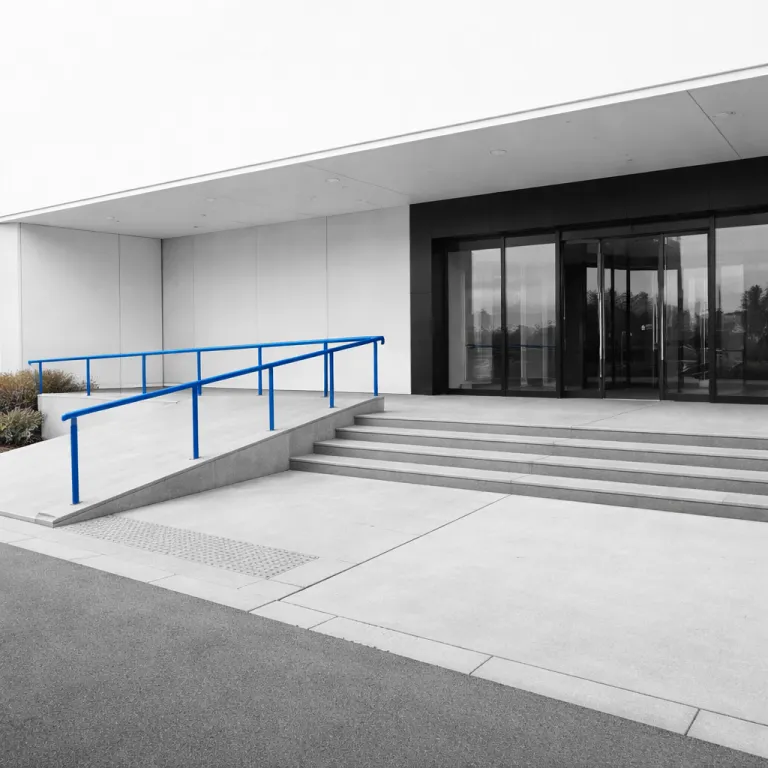
Universal design hotels benefits for every kind of guest
Universal design in a hotel means every guest can use every space with ease. It goes beyond minimum accessibility compliance to create hotel facilities that are usable by all guests, regardless of ability, age or circumstance. That shift from box‑ticking accessibility to genuinely inclusive hotel design changes how people experience luxury from the lobby to the last room.
Instead of a handful of accessible rooms hidden near the service elevator, the entire building is planned as usable space from day one. Hotels adopting universal design principles to enhance accessibility and inclusivity are moving beyond the old model of “special” rooms for people with disabilities. This is where hospitality design becomes a strategic tool, not a regulatory burden, and where inclusive accessibility stops being a niche topic and starts driving the guest experience for everyone.
Think of wider corridors that let a wheelchair and a suitcase pass easily, which also help older guests walk more confidently. Lever handles, level thresholds and intuitive lighting controls are accessible design features that make life easier for tired executives arriving late at night. These inclusive hotel design choices are not theoretical; they show up in fewer complaints, smoother operations and a quieter, more relaxed atmosphere for all guests.
For a business leisure traveler, the real luxury is not the marble but the ease. When a hotel built with universal design principles offers step‑free routes, clear signage and logical wayfinding, people move without friction and stress levels drop. One frequent traveler described arriving at a new property and “finding I could roll from the taxi to my room without a single awkward detour—that felt more luxurious than any chandelier.” A 2020 survey by the Open Doors Organization found that U.S. adults with disabilities spent over $58 billion on travel in a two‑year period, reinforcing why the most forward‑looking hotels in North America now brief architects, interior designers and every development company involved to treat universal design as a core brand value, not an optional extra.
Behind the scenes, hotel owners, architects and guests form an informal triangle of influence. Hotel owners act as implementers who decide whether a project will embrace universal design or settle for basic accessibility. Architects are the design specialists who translate inclusive design theory into concrete hospitality projects, while guests become the ultimate judges of whether those innovative solutions actually work in real rooms.
Research hotels with universal design features, then communicate specific needs during booking. That simple behavior from guests signals to hotels that accessible, user‑friendly features are commercially relevant, not just compliance checkboxes. When guests later provide feedback to help improve accessibility, they close the loop and push the next wave of projects toward better, more consistent benefits for everyone.
From compliance to comfort: how universal design reshapes luxury interiors
Accessibility compliance asks whether a room meets code; universal design asks whether the room feels effortless. Why is universal design important in hospitality? It ensures inclusivity, enhances guest satisfaction, and expands market reach. That difference is what separates a perfunctory accessible room from a genuinely luxurious portfolio where every detail has been considered for real people.
In a truly accessible hotel, the bathroom is a masterclass in inclusive design rather than a clinical afterthought. Roll‑in showers with linear drains, fold‑down benches and elegant grab bars in matching finishes show how accessible design can be both beautiful and practical. These thoughtful bathroom solutions support parents bathing children, older travelers with limited balance and business guests nursing a sprained ankle after a long flight.
Lighting is another quiet frontier where universal design transforms the guest experience. Layered lighting with dimmers, bedside controls and clear contrast between walls and floors helps people with disabilities navigate safely at night. Those same features support jet‑lagged executives, guests with temporary eye strain and anyone who simply prefers a calmer, more controllable room environment.
For travelers comparing options, understanding what makes an accessible room genuinely work is essential. A detailed guide to what an accessible hotel room should offer, including features that matter and red flags to spot, is available in this practical resource on accessible hotel room features that matter. Using that lens, you can quickly see which hotels treat accessibility features as part of their hospitality design DNA and which still bolt them on awkwardly.
Inclusive benefits also appear in the way furniture is arranged. Thoughtful spacing between pieces allows wheelchair users to turn easily, while also giving every guest a sense of calm, uncluttered space. When a hotel room layout is planned with universal design from the start, housekeeping works more efficiently, maintenance teams access fixtures more easily and long‑term wear on finishes is reduced.
Even technology follows the same logic when handled well. Voice‑controlled curtains, app‑based room controls and adjustable‑height work surfaces can be innovative solutions for people with disabilities and power users alike. The key is to ensure that every digital layer still respects accessibility principles, with tactile buttons, clear labels and backup options for guests who prefer simplicity over screens.
Buffalo’s idea center and the business case for inclusive luxury
Universal design in hotels is not just a moral argument; it is a hard‑headed business strategy. The World Health Organization estimates that roughly 16% of the world’s population lives with some form of disability, a figure widely cited in accessible tourism research as a proxy for potential demand. When you add older guests, parents pushing strollers and multi‑generational families, hotels that embrace inclusive design are addressing a far larger share of the market than those still segregating accessible rooms as a reluctant afterthought.
In North America, some of the most influential thinking on accessible design comes from the Center for Inclusive Design and Environmental Access at the University at Buffalo, often called the IDEA Center. This research hub has worked with hospitality brands to show how universal design can be woven into every hotel built from the ground up. Their work underlines that “What is universal design in hotels? Designing hotel facilities to be accessible and usable by all guests, regardless of ability.”
Experts at the IDEA Center have demonstrated that designing for people with disabilities reduces the need for expensive retrofits later. Wider doorways, step‑free entrances and reinforced bathroom walls cost relatively little when integrated during early projects, yet they are extremely costly to add once a building is complete. For hotel owners and any development company focused on long‑term asset value, these inclusive design decisions translate directly into better ROI and fewer operational headaches.
A concrete example comes from a mid‑scale U.S. hotel that partnered with an academic research team to apply universal design across all guest rooms rather than limiting features to a small subset. After opening, the property reported a measurable drop in accessibility‑related complaints and a rise in guest satisfaction scores among travelers who identified as having mobility or sensory impairments. That kind of evidence shows how mainstream chains can integrate accessibility features without sacrificing style or performance.
Revenue data summarized by the European Network for Accessible Tourism (ENAT) has tracked double‑digit percentage increases in income from accessible tourism segments for hotels and destinations that invest seriously in universal design and barrier‑free infrastructure. That uplift is not a niche bonus; it reflects repeat stays, longer average bookings and stronger word of mouth among communities that travel frequently. For business leisure travelers extending a work trip, knowing that a hotel understands inclusive design can be the deciding factor between staying on property or moving elsewhere for the weekend.
As more global brands seek independent verification of their accessibility claims, standards matter. A rigorous global benchmark that identifies genuinely accessible hotels, such as the SAGE Certified standard explained in detail on this guide to which hotels are genuinely accessible, helps travelers cut through vague marketing language. For executives who value both time and comfort, that kind of clarity turns universal design from an abstract ideal into a practical booking filter.
Sustainable interiors, universal comfort and the future of accessible luxury
Universal design in hotels intersects naturally with sustainability, especially in interior design. When a hotel invests in durable, low‑VOC materials, slip‑resistant flooring and high‑contrast yet timeless finishes, it reduces both environmental impact and long‑term maintenance. Those same choices support older guests, people with disabilities and anyone sensitive to air quality or visual clutter.
Designing for longevity means fewer renovations, less waste and a more stable guest experience over time. A hotel built with accessibility‑focused principles can adapt gracefully as demographics shift, without tearing out bathrooms or reconfiguring corridors every few years. That stability is particularly attractive to investors and any development company that understands the cost of constant refurbishment in competitive hospitality markets.
Inside the room, universal design encourages flexible furniture and multi‑use space. A generous circulation zone around the bed helps wheelchair users, but it also accommodates yoga mats, pushchairs and large luggage for business travelers on extended stays. Height‑adjustable desks, easy‑grip wardrobe handles and clear under‑bed space for portable hoists are all innovative solutions that quietly serve many different guests without fanfare.
Public areas follow the same logic when handled by skilled hospitality design teams. Reception counters with dual heights, acoustic treatments that support people with hearing aids and intuitive signage at the center of circulation routes all contribute to calmer, more legible hotels. These inclusive design strategies are felt most acutely during peak check‑in times, when a well‑planned lobby keeps queues moving and stress levels low.
For travelers, the practical takeaway is simple but powerful. When you evaluate hotels, look beyond the accessibility icon and ask how universal design shapes the entire guest experience, from the car park to the rooftop bar. Hotels that treat accessible rooms as equal in view, finish and layout are usually the same properties where staff training, smart technologies and thoughtful interiors align to create genuinely inclusive design.
Implementation of universal design in hotels is not a one‑off project but a continuous process. The most forward‑thinking hotel owners use feedback mechanisms, consult accessibility experts and train staff regularly to refine how people experience their properties. That ongoing commitment is where inclusive design moves from marketing copy to lived reality for every guest, every stay and every room category.
Key figures on universal design and accessible hospitality
- Approximately 16% of the global population lives with some form of disability, according to the World Health Organization, which means universal design in hotels directly influences a significant share of potential guests.
- Research summarized by the European Network for Accessible Tourism reports double‑digit percentage increases in revenue from accessible tourism for businesses that invest in serious accessibility measures, underlining the commercial value of inclusive design strategies.
- Hotels that integrate universal design from the initial planning phase typically face far lower retrofit costs over the building’s lifespan than properties that only meet basic accessibility compliance at opening.
- Continuous improvement cycles that include guest feedback, staff training and periodic accessibility audits have been linked to higher guest satisfaction and loyalty scores in hospitality design case studies.