From accessible room to adaptive playground: how hotel partnerships are changing active travel
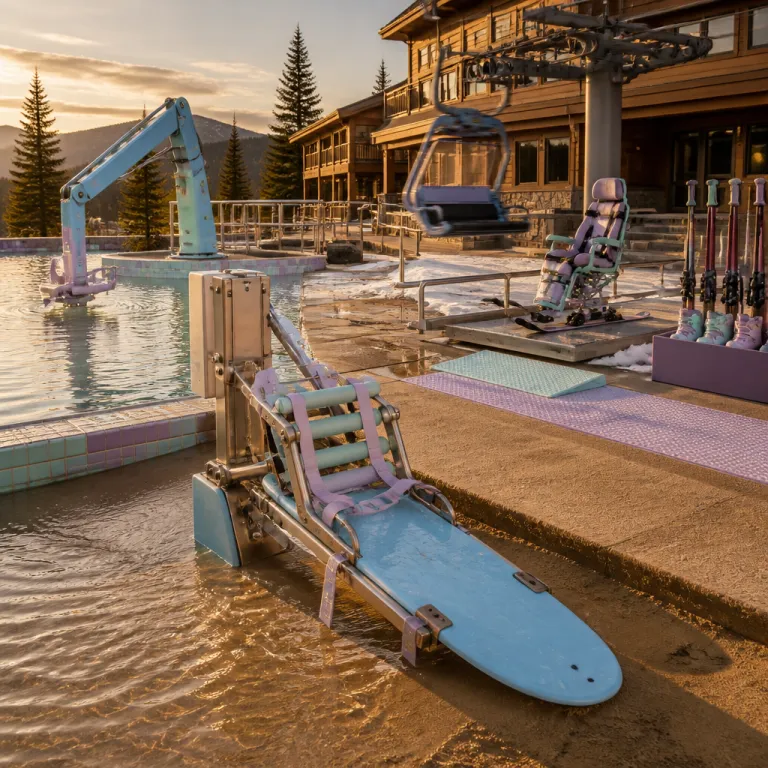
Luxury accessible travel is shifting from checking ramps to curating adaptive sports experiences. High end properties now work with specialist operators so disabled people can book adaptive surf, ski or dive sessions as easily as a spa treatment, which transforms the meaning of an adaptive sports hotel accessible travel stay. This partnership model respects that people with disabilities want the same mountain thrills, coastal energy and underwater calm as any other guest.
At the core sits a simple idea ; the hotel becomes a connector rather than just a provider of accessible accommodation. Reservation teams coordinate adaptive equipment, insurance details and transfers with trusted foundations and sports schools, so wheelchair users and other guests with disabilities arrive to a fully prepared itinerary. When this works, you feel the difference immediately because accessibility accessible features are matched by staff who understand spinal cord injuries, sensory disabilities and fatigue management.
For travelers, this means one booking channel for room, air travel and adaptive sports rather than a stressful patchwork of emails and calls. A premium accessible tourism platform can pre vet partners, verify that a beach path really reaches the water or that public transport to the ski lift is genuinely wheelchair accessible, then share that information in clear travel news style updates. The result is accessible travel that feels less like a negotiation and more like a free choice between great sports options.
Inside the partnership: booking, safety and adaptive equipment that actually fits
Behind every seamless adaptive sports hotel accessible travel package sits a web of agreements, waivers and training. Hotels sign formal partnerships with adaptive sports organizations, equipment manufacturers and sometimes a medical foundation to ensure that risk management and disability inclusion are handled professionally. Guests only see the polished surface ; a concierge email, a clear price and a confirmed time for their adaptive lesson.
Booking usually starts with a pre arrival questionnaire that asks about mobility, spinal cord injuries, sensory needs and previous sports experience. This lets the adaptive équipe match the right adaptive equipment, from sit skis and mono skis to beach wheelchairs and customized scuba rigs, to the right instructor. For wheelchair users, the difference between generic gear and properly fitted adaptive equipment is the difference between a tiring day and a transformative accessible travel memory.
Insurance and safety protocols are equally structured, especially for air travel connections and mountain environments. Many luxury properties in Europe and North America now work only with adaptive sports schools that follow international standards for instructor training and rescue procedures, which reassures people with disabilities and their families. When a hotel can calmly explain how transfers, parks access and emergency plans work, wheelchair travel starts to feel as straightforward as any other trip.
Partnerships also extend to logistics on the ground, from public transport to private shuttles. Some resorts contract wheelchair accessible vans with secure tie downs, while coastal hotels arrange beach access mats and free use of amphibious chairs for disabled people who want to feel the surf before or after a formal lesson. This level of detail is what separates marketing language about accessible tourism from a stay where accessibility accessible features are genuinely integrated into every stage of the journey.
For travelers comparing properties, it helps to ask specific questions about sports equipment storage, drying rooms and repair options. A hotel that understands adaptive sports will know how to handle a carbon frame wheelchair, a custom sit ski or a dive computer without hesitation, and will share that knowledge openly. Reading a specialist blog or travel news section focused on wheelchair travel can also highlight which partners consistently deliver safe, elegant experiences.
If your adventure includes refined riding or countryside stays, look for properties that curate accessible horse experiences with the same care as ski or surf, as outlined in this guide to planning a refined horse trip in Québec for accessible luxury stays. The best hotels treat every adaptive activity as part of a coherent, high touch itinerary rather than a one off add on. That mindset is what turns a standard accessible room into a true adaptive sports hotel accessible travel base.
Adaptive surf and coastal stays: from Hawaii to Costa Rica
On the coast, adaptive surfing has become the emblem of inclusive sports led travel. Organizations such as AccesSurf in Hawaii run structured programs where “What is adaptive surfing?” is answered simply ; “Surfing modified for individuals with disabilities.” Luxury hotels that partner with these programs can offer guests pre reserved slots, beach transfers and on site briefings that make the ocean feel welcoming rather than intimidating.
In practice, the hotel concierge coordinates with the adaptive surf foundation to align tides, instructor availability and any medical notes you choose to share. Modified surfboards, beach wheelchairs and flotation vests are prepared in advance, so wheelchair users roll straight from accessible accommodation to the sand without logistical drama. For many people with disabilities, that first push onto a wave changes how they feel about both their body and future travel.
Destinations such as Costa Rica have become reference points for adaptive sports hotel accessible travel on the Pacific coast. Several high end eco resorts now work with local adaptive surf schools that understand disability, spinal cord injuries and sensory processing differences, and they integrate these sessions into longer accessible travel itineraries that might also include accessible tourism visits to national parks. Guests receive travel news style updates by email or social channels about swell forecasts, water temperatures and any accessibility accessible improvements at nearby beaches.
European coasts are catching up, particularly in Portugal, Spain and parts of France. Here, coastal hotels often collaborate with municipal programs that provide free beach access mats, amphibious chairs and trained lifeguards, while private adaptive sports schools handle instruction and equipment. For wheelchair travel fans, this combination of public infrastructure and private expertise makes it easier to plan a travel year that includes both Atlantic surf and Mediterranean calm.
When assessing a coastal property, look beyond the generic “wheelchair accessible” icon. Ask whether staff have accompanied wheelchair users to adaptive surf sessions before, whether there is secure storage for chairs during lessons and how long transfers to the beach take in real time. A hotel that can answer these questions clearly, and perhaps point you to a detailed blog or social media post from past guests, is usually a safer bet.
Some travelers also combine adaptive surf with other coastal sports, from sea kayaking to accessible scuba introductions in calm bays. In these cases, the hotel’s role as curator becomes even more important, because equipment, fatigue and safety considerations multiply quickly for disabled people. A property that already works with adaptive surf foundations often has the right contacts to extend your stay into a multi sport accessible travel experience.
Accessible ski lodges and mountain resorts: sit skis, snow safety and real après
In the mountains, adaptive sports hotel accessible travel revolves around sit skis, mono skis and reliable lift access. Properties such as Alta’s Rustler Lodge in Utah illustrate how accessible ski lodges can combine high end comfort with direct links to adaptive ski schools and rental shops that specialize in disability aware fitting. Their booking records show hundreds of accessible ski lodge stays each travel year, which signals both demand and operational experience.
For wheelchair users and other guests with disabilities, the first priority is usually step free access from room to snow. That means wide elevators, level thresholds and snow clearing routines that keep ramps and paths usable, plus storage for adaptive equipment close to the slopes. When these basics are in place, attention can shift to the sports side ; lift ticket discounts, priority loading for sit skis and instructors trained to work with spinal cord injuries or balance conditions.
Adaptive ski programs typically offer a mix of private lessons, group clinics and free community days supported by local foundations. Hotels that partner closely with these programs often host information evenings, where instructors explain how adaptive equipment works and answer questions about fatigue, pain management and cold sensitivity. For many disabled people, hearing directly from experienced coaches in a relaxed lounge setting makes the idea of a mountain holiday feel suddenly realistic.
European resorts are expanding their accessible tourism offer, particularly in the Alps. Some luxury properties now advertise packages that bundle accessible accommodation, adaptive sports lessons and airport transfers in one price, which simplifies planning for people with disabilities who may already juggle complex medical schedules. These hotels also tend to liaise with public transport operators to confirm which buses or trains are genuinely wheelchair accessible during snow season.
Après ski matters as much as the slopes, especially for solo travelers who want social connection. Look for lounges with level access, low bar counters and staff who are comfortable rearranging furniture so wheelchair users can join group tables without fuss. Reading a hotel’s blog or travel news updates can reveal whether they host inclusive events, from adaptive sports film nights to talks by athletes with disabilities.
For those who prefer hot springs and spa circuits to late night bars, some mountain hotels now integrate hydrotherapy and massage tailored to spinal cord injuries or chronic pain. These properties often feature in curated lists of luxury amenities that should never require compromise, such as this guide to accessible rooftop bars, infinity pools and spa circuits. When a resort can balance serious adaptive sports with thoughtful recovery spaces, it becomes a true base for repeat accessible travel.
Scuba for all and the hotel as inclusive hub
Underwater, adaptive scuba programs have quietly redefined what accessible travel can include. Operators such as Dive Paradise in Cozumel run structured courses where “Can people with disabilities scuba dive?” is answered clearly ; “Yes, with adaptive equipment and training.” Luxury hotels that partner with these providers can offer guests with disabilities a path to internationally recognized certifications rather than just one off resort dives.
PADI and SDI adaptive programs focus on tailoring skills and safety procedures to each diver’s abilities. In practice, this might mean modified entries for wheelchair users, extra buoyancy control drills for people with limited leg movement or communication tweaks for divers with hearing disabilities. Hotels that understand this process schedule pool sessions, classroom time and open water dives around rest needs, medication schedules and air travel recovery days.
Equipment is another area where the hotel partnership matters. Adaptive sports hotel accessible travel packages often include secure storage for custom masks, prescription lenses and mobility aids, plus drying areas that keep gear safe between dives. Staff who know how to handle a rigid frame wheelchair or transfer board respectfully can make disabled people feel at ease from the first check in moment.
Beyond the water, the best properties act as social hubs for mixed ability dive communities. They might host evening talks where instructors share travel news about new accessible dive sites, marine conservation projects or changes in local regulations that affect wheelchair travel. Guests can swap stories, share tips by email or social media and sometimes plan future trips together, which turns a single holiday into an ongoing network.
Destinations in Europe, the Caribbean and parts of Africa are gradually building similar ecosystems. In some coastal towns, accessible tourism initiatives have improved ramps, piers and public transport links so wheelchair accessible taxis and buses connect smoothly with dive boats. For travelers planning a multi continent travel year that includes both Cozumel and travel Africa, choosing hotels plugged into these networks reduces uncertainty dramatically.
As technology evolves, from autonomous shuttles to smarter adaptive equipment, the hotel’s role as curator will only deepen. Some properties already experiment with app based concierge services that push tailored travel news, weather alerts and accessibility accessible updates directly to your phone. In this landscape, the most valuable luxury is not just a sea view suite but a team that understands adaptive sports, respects disability and treats every guest as an equal partner in adventure.
Choosing your adaptive sports base: practical questions for luxury travelers
Selecting the right adaptive sports hotel accessible travel base starts with clarity about your priorities. Decide whether your main focus is surf, snow, scuba or a mix of sports, then map destinations where adaptive programs, accessible accommodation and reliable medical care intersect. From there, the hotel’s partnerships, not just its room photos, should guide your shortlist.
When speaking with reservations, ask specific, concrete questions rather than general “Is it accessible ?” queries. Request details about wheelchair accessible routes from room to pool, beach or ski lift, and how long those transfers take for a wheelchair user moving at a relaxed pace. Clarify whether adaptive equipment is included in package prices or rented separately, and whether any free community days or foundation supported sessions are available during your stay.
Communication style is another strong indicator of quality. A serious property will be happy to share floor plans, photos and written confirmations by email, and may point you to a blog or travel news page where they document accessibility accessible upgrades. They should also be transparent about limitations, whether that is a steep ramp, older public transport links or seasonal closures of nearby parks and theme parks that affect disabled people.
For long haul trips that combine Europe, Costa Rica or travel Africa, consider how each stop fits into your overall travel year. Factor in recovery days after air travel, especially if you live with spinal cord injuries or conditions that flare with fatigue, and choose hotels that respect rest as much as activity. Some adaptive sports specialists recommend alternating high intensity days with lighter excursions to markets, museums or accessible tourism visits to urban parks.
Social atmosphere matters, particularly for solo travelers who want to meet other people with disabilities and allies. Look for properties that host small group dinners, film nights or informal meetups around adaptive sports, rather than only large, noisy events. Reading guest reviews that mention wheelchair users by name or describe how staff made them feel included can be more revealing than any marketing copy.
Finally, remember that accessible travel is a collective project shaped by feedback. When you find a hotel that handles wheelchair travel with grace, adaptive sports with professionalism and disability with respect, share that experience through reviews, social posts or direct messages to trusted platforms. Your detailed observations help refine future partnerships and ensure that the next traveler arrives to a world where adventure feels genuinely open.
FAQ
What is adaptive surfing and who can take part ?
Adaptive surfing is surfing modified for individuals with disabilities, using tailored equipment and coaching techniques. Programs work with people with spinal cord injuries, limb differences, sensory disabilities and other conditions, matching each person to the right board and support. Many coastal hotels now partner with certified adaptive surf schools so guests can book sessions as part of their stay.
Are there accessible ski lodges that offer adaptive lessons ?
Yes, several ski lodges offer accessible accommodation alongside structured adaptive snow sports programs. Properties such as Alta’s Rustler Lodge in Utah collaborate with local adaptive ski schools that provide sit skis, trained instructors and lift access support for wheelchair users and other disabled people. When booking, ask the hotel to outline exactly how lessons, equipment rental and slope access are coordinated.
Can people with disabilities scuba dive safely ?
Yes, with adaptive equipment and training, many people with disabilities can scuba dive safely. Operators such as Dive Paradise in Cozumel run programs aligned with PADI and SDI adaptive standards, which adjust skills and safety procedures to each diver’s abilities. Hotels that partner with these providers help guests manage logistics, from gear storage to accessible boat transfers.
How do I check if a hotel really supports adaptive sports ?
Start by asking for the names of their adaptive sports partners and any foundations or schools they work with. A serious adaptive sports hotel accessible travel base will provide concrete details about instructors, equipment, insurance and transport, not just generic accessibility claims. Reading independent blogs, travel news features and reviews from wheelchair users can confirm whether those partnerships deliver in practice.
What should wheelchair users consider when planning multi sport trips ?
Wheelchair users planning surf, ski or scuba in one travel year should balance ambition with rest. Build in recovery days after air travel and intense sports sessions, and choose hotels that offer both adaptive activities and calm spaces such as spas or quiet lounges. Coordinating with properties that understand accessibility accessible needs and have experience with wheelchair travel makes complex itineraries far more manageable.
Sources
AccesSurf program information and participation data.
Alta’s Rustler Lodge accessibility and booking records.
Dive Paradise adaptive scuba program statistics and descriptions.