From test aircraft to real trips: why one Airbus wheelchair flight changes everything
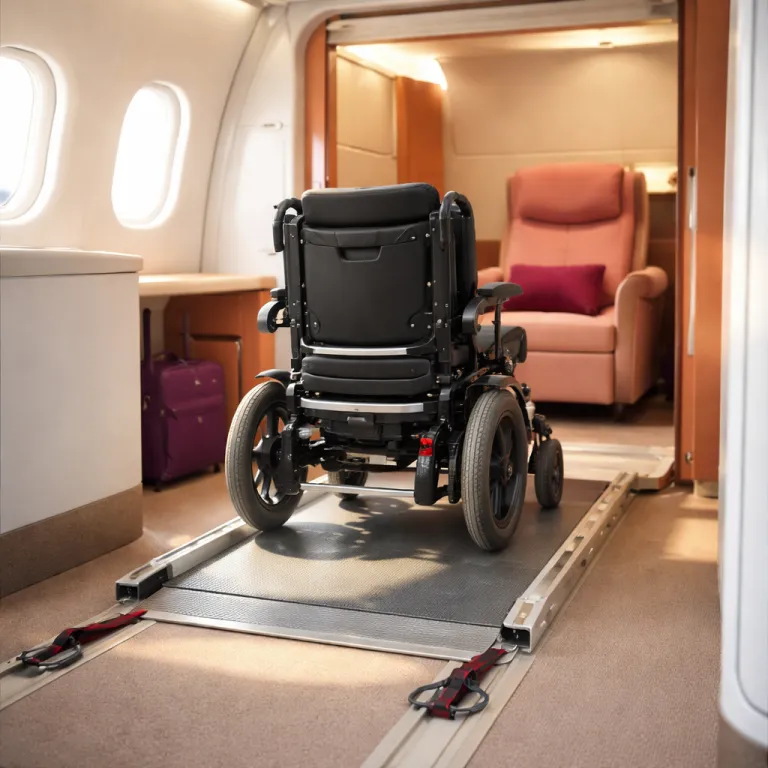
On a quiet Airbus test flight over Europe, an employee named Dirk Thalheim stayed in his own wheelchair inside an A350-900 aircraft cabin for the cruise phase. That single Airbus wheelchair flight using the Airspace U Suite concept, conducted on a dedicated test aircraft, showed that a wheelchair user can travel in the airspace cabin without an aisle chair transfer and still meet commercial aircraft safety rules. For wheelchair users who plan long haul air travel to luxury hotels, this is the moment aviation finally admits that the most dreaded transfer can be designed out of the experience; as Thalheim later reflected in Airbus’ own coverage of the trial, being able to stay in his personal chair “felt like the first time the aircraft was really built around me, not the other way round”.
The Airbus Airspace U Suite is a new suite concept within the wider Airbus Airspace cabin family, created with AMF Bruns and Ipeco Holdings to integrate a certified wheelchair securement system into a business class style seat. In normal operations the suite looks like a premium business class seat in a refined aircraft interiors layout, but the design allows the seat pan to fold away and reveal a securement space where a personal wheelchair can be locked to the aircraft structure. Airbus has described this as a way to turn an abstract accessibility promise into a concrete airspace suite product that can be specified when ordering an Airbus aircraft for future commercial aircraft fleets, and both AMF Bruns and Ipeco have highlighted the use of proven securement technology adapted from accessible road vehicles that already comply with ISO 10542 and related wheelchair tie-down standards.
During the March test, the cabin crew used a modular cabin design to convert the Airspace U Suite from a standard business class seat into a wheelchair securement position once boarding was complete. The wheelchair securement hardware, developed with accessible vehicle specialist AMF Bruns, anchored Thalheim’s chair in the airspace cabin so that turbulence loads were handled like any other certified seat, with Airbus stating that the installation is engineered to withstand the 16 g forward and 1.5 g lateral crashworthiness criteria used for commercial aircraft seating. WheelchairTravel.org founder John Morris, who documented the Airbus wheelchair flight trial, focused on three practical questions that matter to travellers and airlines alike: what the Airbus Airspace U Suite is in day to day service, when the Airspace U Suite is expected to enter commercial operation, and which companies collaborated on the Airspace U Suite to make it compatible with existing aircraft interiors and safety standards; Airbus, AMF Bruns and Ipeco have all issued press material confirming their joint work on the concept and summarising the results of the March demonstration flight.
Economics, risk and hotel planning: how securement space reshapes the journey
Every wheelchair user who books a five star hotel knows that the real anxiety starts at the aircraft door, not at the hotel check in desk. In the United States alone, U.S. Department of Transportation data indicate that more than 10,000 personal wheelchairs and scooters are mishandled each year during air travel, a figure reported in the DOT’s monthly Air Travel Consumer Reports and widely cited by disability advocates, which means that for many wheelchair users the most luxurious suite on land cannot compensate for a broken mobility device on arrival. When you add the indirect cost of missed excursions, emergency repairs and lost independence, the economics of wheelchair travel look brutally different from standard leisure travel.
The Airspace U Suite concept directly targets that hidden cost by keeping the wheelchair with the passenger in the aircraft cabin instead of in the hold. If airlines adopt this airspace suite in meaningful numbers across their Airbus aircraft fleets, the number of chairs exposed to rough baggage handling and air cargo holds could fall sharply, reducing insurance claims and compensation disputes. For premium travellers with reduced mobility who book accessible rooms, spa suites or poolside cabanas, the ability to remain in their own chair during the air segment makes the entire travel experience feel more aligned with the invisible checklist of what genuinely accessible hotels get right beyond the wheelchair symbol; see our guide on what genuinely accessible hotels get right.
There is also a planning dividend for both airlines and hotel partners when wheelchair securement is part of standard aviation design rather than a special request. A confirmed securement space in the airspace cabin can be treated like a specific business class seat number, which means a wheelchair user can coordinate airport assistance, hotel transfers and accessible room guarantees with far more precision. For luxury and premium booking platforms, that reliability allows search form filters to move beyond vague accessibility icons and towards concrete promises about air travel, aircraft interiors and on the ground mobility continuity, supported by verifiable product information from Airbus, AMF Bruns, Ipeco and independent test reports, including U.S. DOT mishandling statistics and Airbus press releases on the Airspace U Suite trial.
Towards 2032 and beyond: what this means for accessible luxury stays worldwide
Airbus has indicated that the first commercial delivery of the Airspace U Suite on an airbus aircraft is projected for 2032, which sets a clear horizon for airlines, airports and hotels to align their accessibility strategies; that target date has been referenced in Airbus briefings around the Hamburg Aircraft Interiors Expo and in subsequent media coverage summarising the company’s product roadmap. Between now and that date, carriers will need to decide how many suites per aircraft cabin they will install, how to train crew on wheelchair securement procedures and how to integrate the product into business class fare structures. For wheelchair users planning international hotel stays, that timeline means watching which airlines commit to the suite concept early and which routes will offer a true Airbus wheelchair flight option with an Airspace U Suite style securement position.
The industry shift is not limited to wheelchair mobility; regulators, manufacturers and disability advocates are also working on tactile placard standards for visually impaired passengers, signalling a broader move towards multi sensory accessibility in commercial aircraft. As tactile signage, improved airspace design and securement space solutions converge, the aircraft interiors sector at the Hamburg Aircraft Interiors Expo is becoming a barometer for how seriously aviation treats disabled passengers as full fare customers. For hotel guests with reduced mobility, that upstream change in air travel design will influence which cities feel realistically accessible for a long weekend in an accessible spa resort or a multi stop itinerary built around the industry’s 587 billion blind spot.
For travellers using platforms like accessible stay dot com to curate accessible luxury hotels with spa services in Los Angeles and beyond, the promise of an Airbus wheelchair flight equipped with the Airspace U Suite is deeply personal; it means the same chair that rolls into a marble lobby also locks safely into an airspace suite at 11,000 m. As more airlines specify the airbus airspace product line and more wheelchair users share their wheelchair travel experiences, expect booking journeys to start with aircraft type and cabin layout before room category or view, especially for solo explorers. Our own editorial team will be tracking which airlines, from full service carriers to niche premium airlines, turn this aviation concept into a lived reality and which hotel partners align their accessible offers with routes that feature the new Airspace linked accessible luxury corridors.