Why a genuinely accessible hotels checklist changes luxury travel
Luxury couples planning accessible travel quickly learn that glossy photos rarely show true accessibility. Many hotels advertise an accessible hotel experience, yet the guest only discovers missing grab bars or a steep step at a so‑called step free entrance after a long journey. A genuinely accessible hotels checklist turns that uncertainty into a clear, confident way to find accessible accommodations that match your real needs.
The gap between advertised accessibility features and lived experience is still wide in many premium hotels. Industry reports in the United States, including summaries from the American Hotel & Lodging Association and public ADA compliance audits, indicate that many properties describe rooms as ADA compliant, yet a substantial number of guests still report barriers once they reach their room or the spa. That is why accessibility consultants, hotel management teams and guests with disabilities now work together on continuous assessments, regular audits and smarter tools to monitor true accessibility in real time.
For couples, the stakes are emotional as much as practical. An accessible room that actually works means you can focus on the view, the wine list and the city outside, not on whether the roll shower floods the entire bathroom. Research from accessible travel organizations, such as Open Doors Organization’s studies on the U.S. market, has consistently found that travelers with disabilities are more likely to return to a hotel after a positive accessibility experience, sending a clear message to luxury hotels that want loyal guest relationships and repeat bookings.
From symbols to specifics: reading between the lines of hotel accessibility
Booking platforms often show the same wheelchair icon for very different hotels, which hides crucial differences in guest rooms and public spaces. One accessible hotel might offer wide doorways, a roll in shower chair and low bed height, while another simply has a portable ramp at the front desk and nothing more. A genuinely accessible hotels checklist forces you to move beyond icons and ask precise questions about each room and its accessibility features.
Start with the path of travel from arrival to your hotel room. Ask whether the route from drop off to lobby, then to elevators and hotel rooms, is fully step free with smooth surfaces and enough turning space for a wheelchair. Confirm whether the property offers hotels wheelchair friendly parking bays close to the entrance, and whether staff at the front desk are trained to guide guests who have sensory or cognitive disabilities as well as mobility needs.
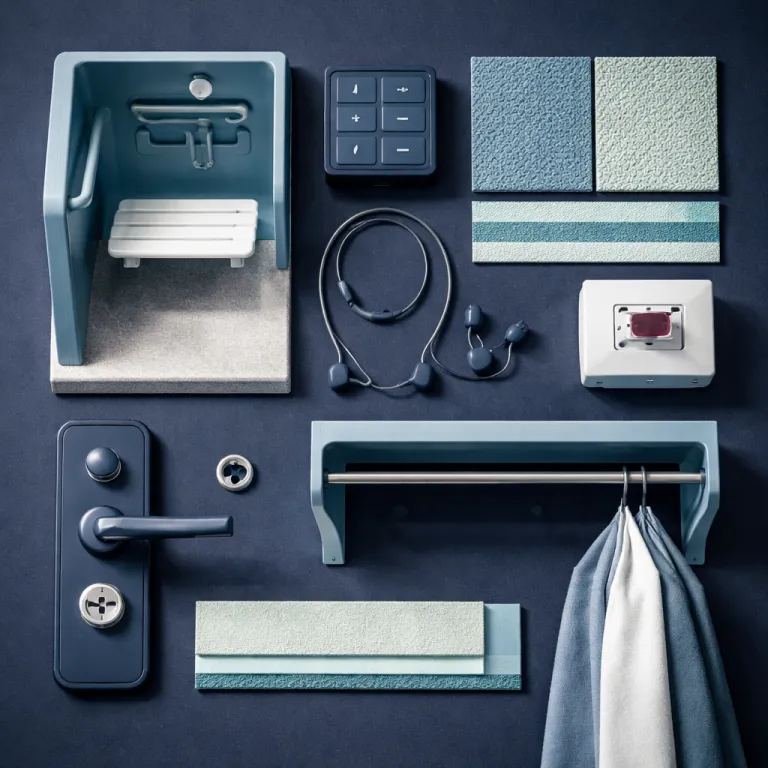
Then zoom in on the private space where you will actually relax. A luxury accessible room should have a roll shower with level entry, stable grab bars, a fixed or secure shower chair and a handheld shower that can be reached from seated height. For an example of how premium properties can combine refined design with practical accessibility, imagine a detailed floor plan of an accessible suite in a well known city hotel, where marble finishes, contrasting tiles and carefully positioned controls show how thoughtful design can support both comfort and independence.
The anatomy of an accessible room that genuinely works
In high end hotels, the difference between a nominally accessible room and a truly wheelchair accessible sanctuary lies in the details. The genuinely accessible hotels checklist starts at the door, asking about wide doorways, lever handles and enough space to roll a wheelchair beside the bed on both sides. It continues through the layout of guest rooms, the height of switches and the way furniture leaves clear circulation space instead of narrow corridors.
Focus first on the bed and its surroundings, because this is where couples spend most of their private time. Ideal bed height for many wheelchair users is often between 48 and 58 centimetres, low enough for safe transfers yet high enough for carers to assist without strain. Check whether the hotel offers adjustable bed height, space under the bed for a hoist and firm mattresses that do not collapse at the edge when a guest transfers from a wheelchair.
The bathroom is where luxury and safety must meet with precision. A roll shower should be fully step free, with non slip flooring, grab bars on at least two walls and a shower chair that locks or is securely fixed. For couples planning accessible travel to major cities, curated guides to premium accessible accommodation in London and other urban hubs show how some hotels now combine marble finishes with thoughtful accessibility features, from contrasting tiles for sensory clarity to well positioned emergency call buttons.
Genuinely accessible hotels checklist: key room measurements
- Entrance and bathroom door width: ideally 81–90 cm clear opening.
- Bed height from floor to top of mattress: confirm 48–58 cm.
- Space beside bed: at least 90 cm clear on one side, preferably both.
- Roll in shower area: minimum 90 x 150 cm level, with no lip or step.
- Toilet height: around 43–48 cm with grab bars on at least one side.
- Turning circle in bedroom and bathroom: about 150 cm diameter.
- Light switches, thermostats and controls: reachable between 90 and 120 cm from the floor.
Pre‑booking questions to ask the hotel
- What is the clear width of the entrance and bathroom doors in centimetres?
- What is the exact bed height, and is there space underneath for a hoist?
- Is the route from the main entrance to the room completely step free?
- Does the shower have level entry, a fixed grab bar and a secure shower chair?
- How much clear floor space is there beside the bed and in the bathroom?
- Are visual or vibrating alarms available for guests who are Deaf or hard of hearing?
- Can you reserve a quieter room with blackout curtains and adjustable lighting?
- Is accessible parking available close to the entrance, and is it step free?
- Are staff trained in assisting guests with mobility, sensory and cognitive disabilities?
- When were the accessibility features in the room last checked or updated?
Beyond mobility: sensory, cognitive and invisible accessibility needs
True accessibility in luxury hotels extends far beyond ramps and roll showers. Many guests live with sensory sensitivities, hearing loss, low vision or cognitive differences that shape how they experience a room, a lobby or a restaurant. A genuinely accessible hotels checklist therefore includes questions about lighting, sound, signage and staff communication, not just about wheelchair access and grab bars.
For guests with sensory processing needs, the right room can turn a stressful trip into a restorative escape. Ask whether the hotel offers accessible rooms on quieter floors, with blackout curtains, adjustable lighting and the option to switch off intrusive fans or buzzing minibars. Clear visual signage, high contrast edges on steps and consistent flooring textures help guests with low vision or balance issues move through hotel spaces with confidence.
Cognitive accessibility is just as important in premium accommodations. Request simple, uncluttered information at the front desk, with large print maps, easy to read menus and staff who are trained to give step by step explanations without being condescending. Some hotels now provide sensory friendly guest rooms with reduced visual clutter, intuitive controls and the option of written instructions for in room technology, which can be invaluable for autistic travelers or guests with brain injuries.
How to verify genuine accessibility before you book
Couples who value both romance and reliability know that the most beautiful hotel can ruin a trip if the accessible accommodation fails on arrival. A genuinely accessible hotels checklist is only powerful when you use it to ask targeted questions before you commit to non refundable rates. The most effective strategy combines direct contact with the property, careful reading of guest feedback and, where possible, advice from accessibility consultants or specialist booking platforms.
Start by emailing or calling the hotel and asking for photos and measurements of the specific accessible room category you plan to book. Request images of the roll shower, the toilet with grab bars, the shower chair, the bed and the space around it, and confirm the exact bed height and doorway widths in centimetres. Ask whether the route from the entrance to the guest rooms is step free, whether there are any unexpected ramps or thresholds and whether staff can assist with luggage without moving mobility aids out of reach.
Then cross check what you hear with independent reviews from other guests who use wheelchairs or have sensory or cognitive disabilities. Pay attention to comments about the front desk response to accessibility requests, the reliability of lifts and the maintenance of accessibility features such as pool hoists or visual alarms. One couple described their ideal stay this way: “The hotel sent a simple diagram of the room with all the measurements marked. When we arrived, every detail matched, so we could relax from the first night.” For a deeper look at how thoughtful design in shared spaces shapes the overall stay, explore guidance on why refined family restrooms matter in luxury accessible hotels, which highlights how inclusive facilities support both privacy and dignity for every guest.
Frequently asked questions about genuinely accessible luxury hotels
What defines an accessible hotel room in a luxury property ?
According to established guidance, “What defines an accessible hotel room? A room designed to accommodate guests with disabilities, meeting ADA standards.” In premium hotels, that baseline should be enhanced with generous space, elegant finishes and reliable equipment such as secure grab bars, a stable shower chair and intuitive controls. The best accessible rooms also consider sensory comfort, offering adjustable lighting, quiet air conditioning and clear visual cues.
How can I ensure a hotel is genuinely accessible before I arrive ?
Official advice states, “How can I ensure a hotel is genuinely accessible? Review the hotel's accessibility checklist and contact them directly.” In practice, this means asking for precise measurements, recent photos of the accessible room and bathroom, and written confirmation that the route from entrance to room is step free. Cross checking this information with detailed guest reviews from travelers who use wheelchairs or other mobility aids gives an extra layer of reassurance.
Are all hotels required to meet ADA accessibility standards ?
Regulators are clear that “Are all hotels required to be ADA compliant? Yes, all public accommodations must comply with ADA standards.” However, compliance is only the starting point for couples seeking a seamless luxury stay. Many high end hotels now go beyond minimum rules by working with accessibility consultants and conducting regular audits to refine room layouts, improve signage and upgrade equipment.
What are the most important bathroom features in an accessible room ?
The bathroom is often the make or break element of an accessible hotel stay. Key features include a fully roll in shower with no step, secure grab bars, a stable shower chair, a handheld shower within easy reach and enough turning space for a wheelchair. Couples should also check for non slip flooring, reachable toiletries and a layout that allows safe transfers to and from the toilet.
Why does staff training matter so much for accessible travel ?
Even the best designed accessible rooms can fail if staff are unsure how to support guests respectfully. Well trained front desk and housekeeping teams understand how to communicate clearly, adjust room setups and respond quickly when accessibility features malfunction. For couples, this confident, non patronising service is often what transforms a technically compliant stay into a genuinely welcoming experience.