Choosing an accessible summer hotel where pool and beach really work
For a truly accessible summer hotel pool and beach escape, the details matter. You are not just chasing a sea view; you are looking for a hotel where the pool hoist works every day, the beach access route is solid, and the staff understand how to support you without fuss. When you book, ask specifically whether the main pool, any cabana pool areas, and the closest stretch of beach share the same level of accessibility, because a beautiful pool or beach that you cannot enter safely is not luxury at all.
Start with properties that treat accessibility as a core service, not a marketing line. Many coastal resorts now publish accessibility statements that outline accessible rooms, pool lifts, and beach routes, and that mindset usually extends to the spa, outdoor terraces, and food and beverage venues. In the United States, for example, the Americans with Disabilities Act (ADA) requires newly built or altered public pools to provide an accessible means of entry, such as a lift or sloped entry, and reputable hotels will be able to explain how they comply with the 2010 ADA Standards for Accessible Design. When a room includes a roll-in shower, a tub with grab bars, and step-free balcony access, you can focus on the view and the drink service instead of worrying about basic safety.
Ask three precise questions before you confirm any rooms or suites. First, is there a working pool hoist, a pool lift, or a zero-entry pool, and is staff trained to operate it every day, including during busy day-pass periods? Second, does the accessible route from the lobby to the pool cabana and onward to the beach house–style bar avoid steep ramps, sand, and unexpected steps, especially at peak day-pass times? Third, can the hotel guarantee accessible view rooms with a clear pool view or ocean view, rather than “partial” views that require standing to enjoy? If the reservations team cannot answer confidently, treat that as useful data and keep looking.
What to expect from truly accessible pool and beach design
Pool hoists, pool lifts, and zero-entry pools each solve different problems for summer travelers. A hoist or lift attached to the main pool edge is ideal when you want direct water access from a wheelchair, while a gently sloped zero-entry pool mimics a beach and can be easier for guests with limited balance or for a multi-generation family. When a resort sells day passes or a single day pass for its pool and beach facilities, ask whether the accessible equipment is reserved for overnight guests or equally available to anyone holding a pass, and whether there is a time limit on use.
Look closely at how the cabana and pool cabana zones are laid out. In the best hotels, at least one service cabana is fully step-free, with wide pathways, shade, and space for a wheelchair to turn, and the drink service team is trained to approach from the front and place food and beverage within easy reach. A genuinely family-friendly property will also think about where a family with a wheelchair user can sit together, so that no one is left on a distant terrace while the rest of the group enjoys the main pool.
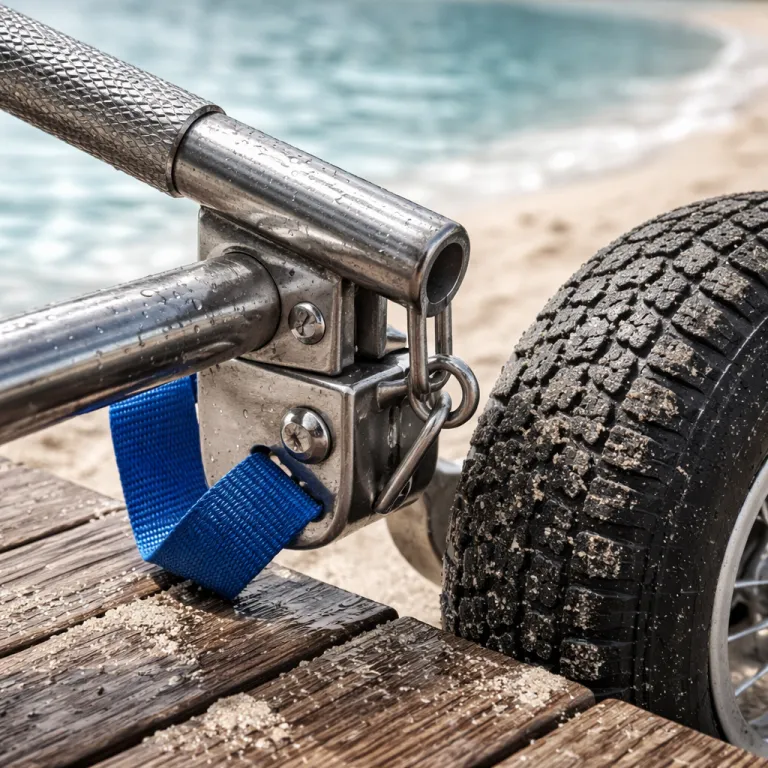
Beach access is its own discipline in accessible design. Many coastal hotels now partner with local authorities or municipal beach programs to provide beach wheelchairs and firm pathways across the sand, but you must confirm whether these are complimentary, whether passes are required, and whether they can be reserved for a specific day. In Santa Monica, for example, the city’s beach wheelchair program offers manual and powered chairs at several access points along the shore, while in San Diego, Mission Beach and Coronado Beach provide similar services through lifeguard stations and visitor centers. The most reliable properties follow the guidance that “Some hotels offer beach wheelchairs; inquire ahead.”, and they will happily explain how their outdoor routes connect the spa, pool, and beach without hidden steps or steep slopes.
For couples who like the ease of all-inclusive stays, look at how accessible outdoor dining is handled in warm weather. Resorts that excel at accessible summer hotel pool and beach experiences usually extend the same standards to terrace restaurants, ensuring that every room includes a clear path to evening dining under the stars. If you are planning a longer trip that mixes city and coast, you might pair a refined accessible city stay such as the one reviewed in our Venice accessible hotel guide with a beach house–style resort where the pool view and ocean breeze are just as easy to reach.
Regional standouts: from Santa Monica to San Diego and beyond
On the United States West Coast, Santa Monica and San Diego frame two very different accessible summer moods. Along Santa Monica Beach, couples often look for a luxury hotel that balances a lively promenade with calm, accessible rooms and suites, and the smartest choices are those where the accessible route from the lobby to the pool and beach is as smooth as the one to the spa. When you evaluate any Santa Monica property, ask whether accessible view rooms face Santa Monica Beach directly, whether the room includes a roll-in shower, and whether the pool cabana area has at least one accessible cabana with full drink service.
Names and branding matter when you are scanning hotel lists, but they are not a guarantee of access. A property that positions itself as a luxury address still needs to demonstrate that its rooms, suites, and outdoor spaces deliver the same standard of accessibility that its marketing promises, especially around the main pool and any cabana pool zones. In both singular and plural, the best hotels in this area will advertise accessible rooms, accessible rooms–suites combinations, and clear information about free parking, beach access, and any limits on day passes for non-residents, often in a dedicated accessibility section on their website.
Further south in San Diego, the coastline is dotted with resorts that sell day passes and a separate day pass for cabana use, which can be a smart way to test a property before you fully book. When you call, ask whether the pass includes access to the accessible pool lift, whether the service cabana team understands how to support guests with mobility devices, and whether the spa has treatment rooms with step-free access and an accessible tub. If you are planning a romantic celebration, you might even look at how accessible coastal resorts compare with the properties featured in our guide to adults only micro wedding resorts in Mexico, because the same attention to detail around outdoor spaces often signals better accessibility.
Beyond these headline destinations, do not overlook quieter beach house–style hotels that sit slightly back from the sand. Many of them offer excellent value, with free parking, accessible rooms, and a calmer pool area that is easier to navigate during the hottest part of the day. Whether you choose a grand oceanfront hotel or an intimate coastal retreat, the goal is the same: a seamless accessible summer hotel pool and beach experience where every shared space feels genuinely welcoming.
Booking strategy for peak summer: questions, timing, and verification
Securing the right accessible summer hotel pool and beach stay starts long before you arrive. High season means more crowds, more day passes sold, and more pressure on every pool, spa, and beach facility, so you need to lock in the right room and the right level of access early. For popular coastal regions, aim to book at least three to six months ahead, especially if you require specific view rooms or a particular type of accessible tub or shower.
When you contact a hotel, move beyond generic assurances and use a concise checklist instead of repeating the same questions with every property. Start with the basics from the expert guidance that “Seek roll-in showers, pool lifts, and accessible routes.”, then drill down into how those features work in summer conditions, including whether the outdoor paths become crowded or partially blocked by temporary furniture. A simple script can help: “I use a wheelchair and need step-free access from my room to the main pool and beach. Can you walk me through that route, including any ramps, lifts, or doors?”. Ask whether the room includes space for any mobility equipment, whether the balcony is step-free, and whether the hotel limits drink service or food and beverage delivery to certain cabana zones during busy periods.
Heat management is another summer-specific consideration that couples often underestimate. Check whether the pool cabana area offers enough shade throughout the day, whether the service cabana team can relocate loungers to suit your needs, and whether the spa has cooler indoor relaxation rooms that are easy to reach from accessible rooms and suites. If you are traveling with a family member or friends, confirm that the family-friendly facilities, such as kids’ pools and play areas, share the same level of access as the main pool and beach zone, so that no one is separated by steps or steep ramps.
Finally, verify everything in writing before you commit to a non-refundable pass or stay. Ask the reservations team to email a summary that includes your exact room category, the accessibility features of that room, and details of any pool lifts, beach wheelchairs, or outdoor dining access, then save it for check-in. For couples planning a multi-stop itinerary that mixes coastal resorts with all-inclusive properties, it can be helpful to study how accessible family resorts operate, such as those highlighted in our review of Belize all inclusive family resorts, because the same clarity around what is included often translates into smoother accessible stays.
FAQ
What features should I look for in an accessible summer pool and beach hotel ?
Focus on three pillars; the room, the pool, and the beach route. In the room, look for a roll-in shower or accessible tub with grab bars, enough turning space, and step-free balcony access. Around the pool and beach, confirm there is a working pool lift or hoist, an accessible path to any cabana or outdoor dining area, and, where possible, access to a beach wheelchair through the hotel or a local program.
How can I verify a hotel’s accessibility before I book ?
Use multiple channels rather than relying on a single icon or short description. Start by reading the hotel’s official accessibility statement online, then email or call to ask detailed questions about rooms, pool access, spa facilities, and any limits on day passes or day-pass access to equipment. As the expert guidance states, “Review their official accessibility statement or contact them directly.”, and always request written confirmation of key features.
Are beach wheelchairs usually available at accessible resorts ?
Availability varies widely between destinations and even between neighboring hotels. Some coastal resorts own their own beach wheelchairs, while others rely on municipal programs that may require separate passes or operate only during certain hours of the day. Because of this variation, follow the advice that “Some hotels offer beach wheelchairs; inquire ahead.” and ask whether you can reserve one for specific dates.
What is the difference between a pool hoist, a pool lift, and a zero entry pool ?
A pool hoist or pool lift is a mechanical device that transfers a guest from a wheelchair into the water, usually from the pool edge or a platform. A zero-entry pool uses a very gradual slope, similar to a natural beach, allowing guests to roll or walk into the water without steps, which can be more comfortable for some people but less precise than a lift. The best choice depends on your mobility, so ask hotels which options they provide and how staff are trained to assist.
When should I book an accessible summer pool and beach stay for peak season ?
For high-demand coastal destinations, aim to secure your accessible room and any required passes several months in advance. Accessible rooms and suites are limited in number, and features such as pool lifts, accessible cabanas, and beach wheelchairs can be heavily requested during school holidays. Booking early also gives you time to clarify details, adjust plans if a hotel cannot meet your needs, and still secure a luxury-level alternative.