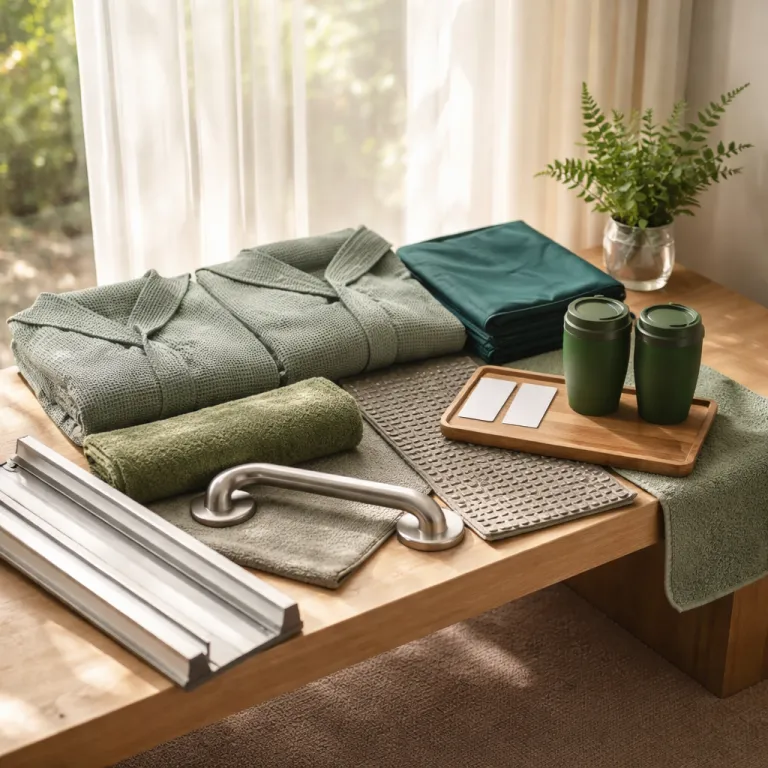
Designing accessible hotel rooms that work for both partners
For a wheelchair travel couple, tips about hotels start with the room itself. A luxury accessible hotel that understands intimacy will prioritise a king bed with generous transfer space on at least one side, so both partners can move comfortably and still share the same bed without compromise. When you request accessible rooms, ask the reservations équipe to confirm the exact bed height in centimetres and inches (many wheelchair users find 45–55 cm / 18–22 in workable, a range echoed in guidance such as the 2010 ADA Standards for Accessible Design), the clearance under the bed for hoists (ideally 15 cm / 6 in or more), and whether the mattress is too soft for safe lateral transfers.
Only around a small share of hotels globally offer truly accessible rooms, so every detail counts during your trip. Ask for photos or virtual tours of the hotel room, because increased virtual tours for accessibility verification now help wheelchair users and their partners assess accessibility features before they travel. Use social media to cross check guest photos of hotel rooms and roll showers, as these often reveal whether grab bars are well positioned or if a shower chair is flimsy and unsuitable.
Bathroom layout can make or break a romantic stay for a wheelchair travel couple. You want wheelchair accessible showers with roll in entries, stable grab bars, and enough turning radius so one partner can assist without losing their own space, while still preserving privacy. As a reference point, many accessibility standards suggest at least 150 cm / 60 in turning diameter for a wheelchair and door widths of 80–90 cm / 32–36 in (figures that align with common national building codes and ISO 21542 recommendations). When you speak with the accessible hotel, ask whether the roll shower has a fixed bench or a movable shower chair, how high the controls are mounted (often 90–120 cm / 36–48 in from the floor), and whether the door to the bathroom is wide enough for your wheelchair.
From checkbox accessibility to lived experience luxury
Many hotels now advertise accessible travel facilities, yet only a fraction deliver a seamless experience for wheelchair users. The most wheelchair friendly properties go beyond a generic accessibility icon and focus on how a couple actually uses the room, from the path between bed and shower to the way doors open and close. Before you book, read detailed reviews and use an invisible checklist mindset, guided by resources such as what genuinely accessible hotels get right beyond the wheelchair symbol.
When you contact hotels directly, you move from marketing promises to verifiable accessibility features. Ask the hotel staff to walk into specific hotel rooms while on the phone, measure the bed height, and describe the roll shower, including whether there are horizontal and vertical grab bars on both walls. A strong accessible hotel will respond quickly, share floor plans or photos, and show that accessibility is integrated into their service culture rather than treated as an afterthought. One front office manager in a major city hotel summed it up simply: “If we cannot describe the room in centimetres and inches, we are not ready to host you.”
Couples often worry about over explaining their needs, yet clear communication saves time and stress during the trip. Use a concise email template listing your wheelchair accessible requirements, such as transfer space, roll showers, and a stable shower chair, and ask the hotel to confirm each point in writing. Hotels that reply with specific answers about accessible rooms, hotel room layouts, and on site routes signal that your wheelchair travel experience will be handled with care. To keep everything organised, create a short verification checklist that covers bed height, door widths, roll in shower design, grab bar placement, and distance from lifts, then tick each item off as the hotel responds.
Autonomy, intimacy and adaptive equipment in accessible rooms
For many wheelchair users, the most luxurious feature in any city hotel is independence. Adaptive equipment in accessible rooms, such as portable hoists, adjustable bed bases, and height adjustable shower chairs, allows the wheelchair using partner to manage transfers and showers alone when they choose. This autonomy frees the non disabled partner from constant physical assistance, which often deepens intimacy rather than distance.
Room design directly shapes how a couple shares their time together during accessible travel. A well planned hotel room will separate the toilet and roll shower area from the main space with a proper door, so one partner can use the bathroom while the other relaxes in bed without losing privacy. When evaluating accessible hotels, ask whether the sink is open underneath for wheelchair access, whether the mirror height works from a seated position, and whether the wardrobe rails can be reached without standing. In many accessibility guidelines, a clear knee space of about 70–75 cm / 28–30 in high and 48–50 cm / 19–20 in deep under the basin is recommended for comfortable use, a dimension also reflected in several European and North American accessibility codes.
Accessibility also extends to technology and policies that respect your relationship. Check the hotel privacy policy to understand how your accessibility data will be stored, especially if you share medical information or equipment needs before your trip. For a wheelchair travel couple, tips about hotels should always include asking whether staff are trained to offer help without hovering, so you can decide when you want assistance and when you prefer to manage as a couple.
As one expert answer puts it clearly, "Are all 'accessible' hotel rooms the same?" and the response matters for every wheelchair travel couple ; "No, accessibility features vary; always confirm specifics with the hotel." This reminder underlines why couples should treat each accessible hotel as unique, verifying roll showers, grab bars, and bed height rather than assuming consistency. When you approach accessible hotels with this mindset, you protect both your safety and the quality of your shared experience.
Beyond the hotel room: shared experiences in the city
Luxury for a wheelchair travel couple does not stop at the hotel room door. The best accessible hotels curate experiences across the city that keep both partners engaged, from wheelchair friendly wine bars to riverside promenades with smooth surfaces and accessible toilets. When you plan your trip, ask the concierge about accessible travel tips that include step free routes, reliable taxis, and restaurants with accessible rooms for private dining.
Some destinations have become benchmarks for wheelchair accessible urban stays, and they reward couples who value both culture and comfort. In south Africa, for example, cape town offers a growing number of accessible hotels along the V&A Waterfront, where hotel rooms often include roll showers and lowered peepholes, while nearby restaurants provide level entries and accessible toilets. Before you travel, use social media to follow local accessibility advocates who share real time updates on ramps, lifts, and temporary barriers in the city.
Hotel facilities beyond the room can transform a good stay into the best trip of the year. Ask whether the pool has a hoist, whether the spa offers wheelchair accessible treatment rooms, and whether the rooftop bar can be reached without stairs, then cross check with in depth guides such as this overview of accessible luxury hotels with spa services. When restaurants, lounges, and terraces are genuinely wheelchair friendly, couples can move through the property together without one partner scouting ahead for barriers.
Economic data shows that accessible travel remains a major blind spot for many hotel brands, as explored in analyses of why hotels still treat accessible travelers as an afterthought. For wheelchair users traveling as couples, this means the most rewarding properties are often those that have listened carefully to guest feedback rather than simply following minimum regulations. When you find a hotel that invests in accessibility across all guest areas, loyalty tends to be strong and repeat stays become part of your shared travel story.
Practical booking strategy for wheelchair travel couples
Securing the right accessible hotel for a romantic trip starts long before check in. Begin with research on destinations where accessibility is improving, then narrow your list of hotels by checking whether they publish detailed information about accessible rooms, hotel rooms with roll showers, and on site step free routes. Use online resources, accessibility checklists, and direct communication with hotel staff to confirm that the property can meet your specific needs as a couple.
During the booking process, always move beyond generic labels such as wheelchair accessible and ask targeted questions. Request detailed room descriptions that cover door widths, bed height in centimetres and inches, space between the bed and wall, and whether the roll shower has level access without a lip, because even a few centimetres of height difference can block a wheelchair. Ask the reservations team to confirm the availability of a shower chair, the position of grab bars, and whether any accessible rooms are located far from lifts or emergency exits.
Once you have chosen one of the accessible hotels that fits your priorities, lock in the details in writing. Send an email summarising your accessibility requirements, including wheelchair friendly transport from the airport, accessible travel tips for local attractions, and any equipment you will bring, then ask the hotel to reply with confirmation so you can refer to it at check in. Keep screenshots of floor plans, photos of the hotel room, and copies of the privacy policy on your phone, so you can quickly resolve any discrepancies between what was promised and what you find on arrival. For quick reference, create a simple visual checklist or table on a notes app with rows for bed, bathroom, circulation space, and public areas, and fill it in as each hotel answers your questions.
FAQ
How can I ensure a hotel room is truly accessible for us as a couple ?
Start by contacting the hotel directly and asking for precise information about accessible rooms, including door widths, bed height, and bathroom layout. Request current photos or a virtual tour of the specific hotel room category you will book, paying close attention to roll showers, grab bars, and turning space for the wheelchair. Confirm everything in writing by email, so you can refer back to the agreed accessibility features during your stay.
What should we prioritise when choosing an accessible hotel for a romantic trip ?
Focus on room configurations that support both intimacy and independence, such as a king bed with transfer space, a private yet accessible bathroom, and level access to shared spaces like restaurants and bars. Check whether the hotel offers wheelchair friendly routes through the property, including lifts to terraces, spas, and pools. A property that treats accessibility as part of its core luxury experience, rather than a side note, will usually provide a more relaxed and romantic stay.
Are all accessible hotel rooms similar in layout and equipment ?
No, accessible hotel rooms vary widely, even within the same brand or city. Some will have excellent roll showers but awkward bed height, while others may offer good transfer space but poor grab bar placement. Always verify the exact layout and equipment of the room you plan to book, instead of assuming that any wheelchair accessible label guarantees a suitable design.
How early should we start planning accessible travel as a wheelchair using couple ?
Begin planning as soon as you have approximate dates, especially if you need specific accessibility features such as connecting rooms, hoists, or roll showers. Many hotels have only a small number of accessible rooms, so early booking increases your chances of securing the best option. Use this time to research the city’s accessibility, arrange transport, and clarify any special requests with the hotel staff.
What can we do if the accessible features promised are not available on arrival ?
Stay calm but firm, and show the hotel team your email confirmations, photos, and any notes about promised accessibility features. Ask to speak with a manager and request alternative accessible rooms, temporary equipment such as a shower chair, or adjustments that can be made immediately. If the situation cannot be resolved, document everything for future complaints or reviews, and prioritise your safety and comfort when deciding whether to stay or relocate.