What an accessible family hotel stay should really look like
A genuinely accessible hotel for families starts long before you reach the lobby. It begins when parents of disabled children can read clear information about accessible rooms, wheelchair accessible paths, and family friendly services without needing to send ten emails. In reality, many properties still treat accessibility as a side note, not as the core of the family travel experience.
For a premium stay, an accessible hotel must offer guest rooms that work for wheelchair users and siblings at the same time. That means a hotel room with enough space for a wheelchair to roll beside each bed, room for a hoist if you travel with one, and a layout that lets parents move safely at night. Families should be able to check that hotel rooms have level thresholds, wide doors and a logical flow between sleeping area, bathroom and balcony or terrace.
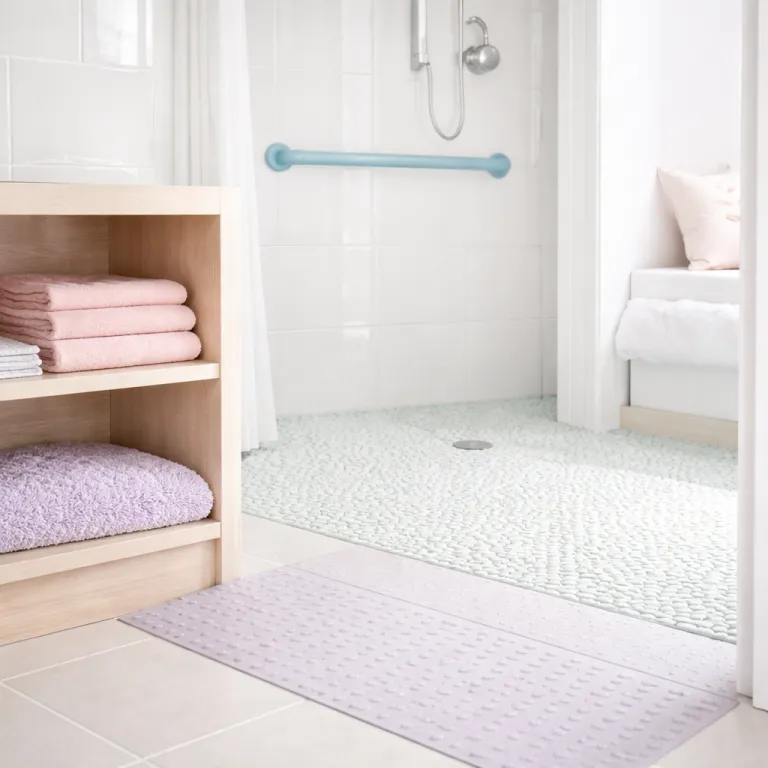
Bathroom design is where many hotels accessible to adults fail families with disabled children. A truly accessible room needs a roll in shower or roll in showers with a flat entry, stable grab bars on both sides where possible, and a shower seat that does not wobble when a child shifts weight. When you assess an accessible hotel online, look for photos that show the shower from several angles, the toilet transfer space and the exact height of the sink.
Parents also need to know how hotel staff think about accessibility in daily operations. Luxury hotel chains may advertise fully accessible facilities, yet the experience depends on whether the staff will move furniture, adjust bed configurations or arrange a quiet breakfast table without fuss. As one parent put it after a recent stay, “The difference was that the team already knew what a hoist was and had cleared space before we arrived.” Families should expect a hotel where wheelchair users can reach the kids club, the pool and the restaurant without being rerouted through a service corridor.
Family room layouts, connecting options and real sleeping space
When a property markets accessible rooms for families, you need to decode what that actually means. Often it is simply a standard accessible room with one large bed and a roll away, which does not work for a child who needs space for medical equipment or a parent who must stay close during the night. A premium accessible hotel should offer several room configurations that respect privacy, safety and care routines.
Ask whether the accessible room can connect to another hotel room so siblings or grandparents can sleep nearby without crowding the accessible space. In many luxury hotels, connecting rooms are limited and not all are wheelchair accessible, so you must check this detail before you confirm your travel dates. Request a floor plan that shows how the doors open, where the beds roll or fold, and how much clear floor space remains when sofa beds are in use.
Parents of wheelchair users should verify bed height and clearance under the bed for portable hoists. Some accessible hotels provide adjustable beds, while others can add blocks so the bed height matches your child’s transfer needs, but only if you ask early. Clarify whether the resort or city hotel can remove unnecessary furniture to create extra maneuvering space for a wheelchair and medical devices.
Sleeping arrangements also affect sensory comfort for autistic children or those with sensory processing differences. A quiet room away from the lift, with blackout curtains and controllable air conditioning, can transform a stressful night into a manageable one. When you evaluate a beach resort or urban property, ask the hotel staff to place your family in a room that avoids noisy bars, event spaces or late night traffic.
For inspiration on how a coastal property can balance luxury, family needs and accessibility, look at this detailed review of family relaxation at a Cornish hotel and spa by the sea. It shows how thoughtful room layouts, accessible parking close to the entrance and attentive hotel staff can support both wheelchair users and siblings who simply want to enjoy the pool. Use such examples as a benchmark when you assess other hotels accessible to families with disabled children.
Bathrooms, roll in showers and safety details you must verify
For many families, the bathroom is the make or break element of an accessible hotel stay. A space that works for an adult wheelchair user may be unsafe or unworkable for a small child who needs hands on support, a shower chair and room for a parent to kneel beside them. When you book, you should treat the accessible bathroom as seriously as the location or the price per night.
Start by asking whether the accessible rooms have a true roll in shower with no lip, or only a low step that still blocks a shower chair. Clarify if the roll in showers include fixed and handheld shower heads, stable grab bars near both the toilet and the shower, and non slip flooring that remains safe when siblings rush in with wet feet. Request photos of the exact accessible room assigned to your family, not just generic marketing images from other rooms in the same category.
Door width and turning circles matter when you are helping a child transfer from wheelchair to toilet or bed. Measure your child’s wheelchair and compare it with the hotel’s stated clearances, then ask the hotel staff to confirm that a wheelchair accessible route exists from the bed to the shower without tight corners. If your child uses a mobile hoist, verify that there is enough space to roll it beside the toilet and into the shower area without lifting over thresholds.
Some luxury hotel chains now design family friendly bathrooms with partial screens instead of full glass doors, which gives parents better access while maintaining privacy for older children. You should also ask about emergency call bells, lever taps that small hands can manage and whether the resort can provide non slip mats if they are not already in the accessible room. These details may seem minor during booking, yet they define whether your child feels secure or anxious in an unfamiliar place.
If you want a curated list of premium properties that already balance luxury with practical accessibility, explore this guide to accessible luxury hotels for families. Use it as a reference point when you compare other hotels accessible to wheelchair users and children with different disabilities. It can help you frame precise questions about roll in showers, grab bars and bedroom space before you commit to a long awaited family trip.
Sensory friendly spaces, kids clubs and shared family experiences
Accessibility for families with disabled children is not only about ramps and roll in showers. It is also about whether the resort or city hotel offers sensory friendly spaces where a child can decompress after a crowded breakfast or a noisy swim session. Parents should look beyond the headline claim of accessible hotels and ask how the property supports different sensory profiles throughout the day.
When you evaluate kids clubs, ask if wheelchair users can reach the activity rooms independently and whether there is an accessible toilet with grab bars nearby. Check if the hotel staff running the club have training in supporting autistic children, non verbal children or those who use communication devices, rather than assuming a one size fits all programme. A truly family friendly place will adapt activities, offer quiet corners and allow a parent or carer to stay if that makes the child feel safer.
Shared spaces such as the pool, games room and lobby lounge also shape your stay. You should verify whether the pool has a hoist or graduated steps with handrails, and whether there is a clear wheelchair accessible route from accessible parking to the water’s edge. For some families, a beach resort with a beach wheelchair, firm pathways over sand and shaded rest areas will be more usable than a city center hotel with only a compact indoor pool.
Noise management is another key factor for children with sensory sensitivities. Ask whether the hotel can allocate a room away from entertainment stages, bars and late night venues, and whether they can switch off flashing lights in corridors near your room if needed. Parents should feel confident that the staff will respond quickly and respectfully if a child becomes overwhelmed in a public space.
To go deeper into the practical steps of assessing these features before you travel, use this step by step guide on how to book an accessible hotel room without relying on luck. It offers a structured way to check claims about accessible hotels, from kids club access to quiet dining options, so your family can focus on enjoying time together. This method is especially valuable when you are comparing several hotels accessible to families across different destinations.
Safety features from door locks to pool edges and balconies
Safety in an accessible hotel for families goes far beyond the standard fire exit map on the door. Parents of disabled children must think about balcony railings, window locks, pool fencing and even how heavy the room door feels when a child in a wheelchair tries to push it. These details rarely appear on glossy resort websites, so you need to ask targeted questions before you book.
Start with the route from accessible parking to your room, especially if you arrive late at night with tired children. Confirm that the path is well lit, step free and genuinely wheelchair accessible, without steep ramps that require two adults to push. Ask whether the hotel staff will escort your family on arrival, help with luggage and explain emergency procedures in a way that includes your child, not just the adults.
Inside the room, door locks and balcony access deserve special attention. Parents of children who wander or have limited safety awareness should request high placed locks or childproof mechanisms on balcony doors, and ask whether windows can be restricted to a safe opening width. If your child uses a wheelchair, verify that there is enough space to roll onto the balcony without tipping, and that the threshold is low enough to cross without lifting.
Pool design is another critical factor for accessible hotels serving families. You should check whether the pool has a secure fence, a self closing gate and clear depth markings that are easy for children to understand, as well as a hoist or ramp for wheelchair users. Some beach resort properties also offer beach access mats and supervised swimming areas, which can make the difference between a stressful outing and a relaxed afternoon by the water.
Inside the bathroom, safety features such as grab bars, non slip floors and reachable emergency cords are non negotiable. Ask whether the resort can provide extra equipment like shower chairs with side supports or bed guards for children who move a lot during sleep. These elements, combined with attentive hotel staff, create a fully accessible environment where parents can rest as well as their children.
How to verify accessibility claims before you commit to a stay
Parents booking accessible hotels for families with children with disabilities cannot rely on a single wheelchair symbol on a website. You need a verification process that treats accessibility as seriously as flight times or insurance, because changing hotels mid trip is rarely an option. The goal is to replace guesswork with clear, documented information about every stage of your stay.
Use several tools in combination, including hotel websites, independent accessibility reviews, virtual tours and direct communication with the property. Research from organisations such as the European Network for Accessible Tourism and national tourism boards shows that only a minority of hotels provide fully accessible rooms, so you must go beyond marketing language and ask for specifics. When you contact the hotel, say that you will need photos of the exact accessible room, bathroom and routes to key facilities, not just sample images from other rooms.
Families should follow three golden rules when confirming a booking. First, confirm room features directly with the hotel, including bed height, space to roll a wheelchair around the bed and whether the accessible room connects to another room if your family needs more space. Second, request photos of accessible rooms, especially the roll in shower, toilet grab bars and any steps on the balcony or terrace.
Third, ensure accessible parking availability close to the entrance or lift, and ask whether spaces can be reserved for your vehicle. Guidance from accessibility standards such as the ADA in the United States or BS 8300 in the United Kingdom consistently highlights the importance of step free routes, adequate door widths and accessible parking bays. Treat these principles as a checklist every time you evaluate hotels accessible to families with disabled children.
Partners such as specialist travel agents and disability advocacy groups can also help you interpret responses from hotel staff. They often know which hotel chains consistently deliver fully accessible experiences for wheelchair users and which beach resort properties in regions like North Carolina or the Mediterranean have reliable track records. By combining their insight with your own detailed questions, you can choose a place where every member of the family feels expected, not accommodated as an afterthought.
Resorts versus city hotels for accessible family stays
Choosing between a resort and a city hotel is one of the biggest strategic decisions for families travelling with disabled children. Each format offers different strengths and weaknesses for wheelchair users, siblings and parents who need a balance of rest and stimulation. The right choice depends on your child’s mobility, sensory profile and how much time you want to spend moving between attractions.
A self contained beach resort can be ideal if you want everything within a short, wheelchair accessible roll from your room. Many resorts cluster pools, restaurants, kids clubs and activity spaces around a central courtyard or beach, which reduces the need for taxis or public transport. For families who value routine, being able to return to the same familiar pool edge or play area every day can be calming for children with autism or anxiety.
However, not all resorts are equally accessible. You must check whether the paths from accessible rooms to the beach are step free, whether there is a beach wheelchair or boardwalk and whether the restaurants are genuinely accessible, not reached by a back entrance. Some beach resort properties in regions such as North Carolina now advertise fully accessible facilities, but you still need to verify details like lift access, roll in showers and the availability of quiet dining spaces.
City center hotels, by contrast, place you close to museums, parks and medical facilities, which can be reassuring if your child has complex health needs. A well located accessible hotel in a compact city can allow you to roll from your room to major sights in minutes, avoiding long transfers and unpredictable traffic. The trade off is that city hotels may have smaller rooms and less outdoor space, so you must pay extra attention to room size, connecting options and the availability of calm communal areas.
Whichever format you choose, the core verification steps remain the same. Confirm that accessible parking or drop off points are close to the entrance, that wheelchair accessible routes connect your room to all key facilities and that the hotel staff understand your family’s specific needs. With this groundwork, accessible hotels for families with children with disabilities can become the setting for shared memories, not logistical battles.
Key figures on accessible family hotel stays
- Studies by organisations such as the World Tourism Organization and national disability councils indicate that a relatively small share of hotels provide fully accessible rooms, which means families must verify details carefully rather than assuming availability.
- Demand for accessible travel has risen significantly in recent years, pushing more hotel chains and independent properties to enhance accessible rooms, roll in showers and public area access for wheelchair users.
- Families travelling with disabled children often require more floor space than standard occupancy guidelines suggest, because wheelchairs, medical equipment and carers can easily add several square metres of functional needs.
- Virtual tours and detailed photo galleries are now used by a growing share of accessible hotels, helping parents assess bathroom layouts, grab bars and bed clearance before committing to a non refundable night.
Quick measurement checklist for accessible family rooms
Use these commonly recommended dimensions, based on guidance from standards such as the ADA and BS 8300, as a starting point when you speak with hotels:
| Feature | Recommended minimum | What to ask the hotel |
|---|---|---|
| Door width | 80–90 cm clear opening | Measure the clear width with the door fully open, not just the frame size. |
| Turning circle | 150 cm diameter | Confirm a full turning circle in the bedroom and bathroom for the wheelchair. |
| Bed height | 45–55 cm from floor to top | Ask if the bed height can be adjusted or raised on blocks for safe transfers. |
| Clear space beside bed | At least 90 cm | Check that a wheelchair or hoist can roll along the full length of the bed. |
| Roll in shower entry | Level, no step | Confirm there is no lip or ridge that would block a shower chair. |
FAQ about accessible hotels for families with disabled children
What should I ask when booking an accessible family hotel room ?
Focus on the exact layout of the accessible room, including bed height, turning space for a wheelchair and whether the bathroom has a true roll in shower with grab bars. Ask if the accessible room connects to another hotel room if your family needs extra beds or a carer nearby. Always confirm accessible parking, lift access and the distance from your room to key facilities such as the pool and restaurant.
How can I verify a hotel’s accessibility claims before arrival ?
Use a mix of online research, customer reviews and direct communication with the property. Request recent photos or videos of the specific accessible room assigned to you, including the bathroom, balcony and routes to public areas. If possible, schedule a short video call or virtual tour so you can see how a wheelchair rolls through the space in real time.
Are resorts or city hotels better for families with disabled children ?
Resorts often work well for families who want everything in one place, with short, wheelchair accessible routes between the room, pool, kids club and restaurants. City hotels can be better if you need quick access to hospitals, cultural attractions or public transport, but they may offer smaller rooms and less outdoor space. The best choice depends on your child’s mobility, sensory needs and how much time you want to spend travelling between activities.
How do I assess whether a kids club is accessible for my child ?
Ask if wheelchair users can reach the club independently, whether there is an accessible toilet with grab bars nearby and if staff have training in supporting children with different disabilities. Check whether activities can be adapted, whether a parent or carer can stay and whether there are quiet, sensory friendly corners. If your child uses communication devices or needs medical support, confirm that the team is comfortable working with those needs.
What safety features should I prioritise when choosing an accessible hotel ?
Look for secure balcony and window locks, non slip bathroom floors, stable grab bars and emergency call systems within reach from the toilet and shower. Around pools and beaches, prioritise fencing, clear depth markings and accessible entry points such as hoists or ramps for wheelchair users. Inside the property, ensure that accessible parking, lifts and evacuation routes are clearly marked and genuinely usable for your whole family.