Why many luxury rooms overwhelm neurodiverse guests
A sensory friendly hotel room for a neurodiverse traveler starts with subtraction. Harsh downlights, humming minibars and perfumed corridors create sensory overload long before autistic guests even reach the bed. For many people on the autism spectrum or living with PTSD, the typical luxury hotel environment feels like an assault rather than a welcome.
Standard hotel rooms are designed around visual drama, not sensory regulation, and that is where families quickly feel the gap. Reflective surfaces, patterned carpets and unpredictable noises from lifts or ice machines can push autistic people into fight or flight mode, while children on a family vacation may melt down before dinner. Even when hotels mean to be inclusive, they rarely double check how their lighting, textures and smells land for guests who process every stimulus more intensely.
Layout unpredictability adds another layer of stress for a neurodiverse child or adult who relies on routine. A sensory bedroom that changes configuration from one stay to the next, or a room where the hairdryer suddenly roars to life inside the wardrobe, can undo hours of calm ABA therapy preparation. Quiet zones are often missing entirely, so autistic guests and their families end up turning bathrooms or darkened corners into improvised sensory rooms just to breathe.
What a genuinely sensory friendly hotel room looks and feels like
In a well designed sensory friendly hotel room, neurodiverse travelers feel their shoulders drop within seconds. The lighting is layered and dimmable, with warm tones and no flicker, so autistic guests can control their sensory environment instead of enduring it. Floors are soft underfoot, doors close quietly and quiet zones are positioned away from lifts, bars and service areas.
Thoughtful hotels use calm, matte finishes and limited visual clutter to create inclusive spaces that still feel luxurious. A sensory room might include blackout curtains, a weighted blanket, a simple rocking chair and a small kit of tactile objects, while a sensory bedroom for a child could add soft wall projections or a white noise machine. Crucially, these rooms are double checked by people with lived experience of autism spectrum needs, not just by designers who have read about sensory overload in a brochure.
Premium inclusive hotels now treat sensory friendly features as part of personalization, not a downgrade. Some properties offer a menu of sensory room options at booking, from fragrance free cleaning to pre removed minibar snacks that might distract a child. For families, this level of choice turns a stressful family vacation into a calm travel experience, especially when staff training ensures every member of the équipe understands why an apparently small change in a room can transform the stay for autistic guests.
For travelers planning peak season trips, pairing these room features with smart timing matters. When you combine a sensory friendly hotel with the right booking window and quieter arrival times, you reduce both sensory overload and logistical stress, which is why many neurodiverse families now look for high season accessible travel strategies that explicitly mention quiet zones and autism friendly room categories.
Where luxury brands are getting sensory friendly design right
Several flagship hotels now show how a sensory friendly hotel room for a neurodiverse traveler can sit comfortably at the premium end of the market. Hilton Garden Inn Sunnyvale has promoted itself as Silicon Valley's first sensory friendly hotel, with quiet rooms and calm kits that help autistic guests decompress after a long travel day (as described in the hotel’s own accessibility materials). YOTEL Washington DC holds an Autism Friendly designation from Autism Speaks, signalling that autistic travelers can expect more than a token gesture according to Autism Speaks program listings.
JW Marriott Desert Springs Resort & Spa operates as a Certified Autism Center, with low sensory spaces that feel genuinely restorative rather than clinical, a status documented by the International Board of Credentialing and Continuing Education Standards (IBCCES). These inclusive spaces include shaded outdoor areas, quieter pools and clearly signed quiet zones, which benefit people on the autism spectrum and any family simply seeking respite from conference noise. The shared thread is serious staff training, where every team member understands how to support a child in distress or an adult managing sensory overload without fuss or drama.
Partnerships with organizations such as Autism Speaks, IBCCES and Friendly Accessibility give these hotels external accountability. Their sensory rooms, calm kits and communication tools are double checked against established standards, not invented in isolation by a marketing team. As one accessibility manager at a large resort explained in an industry interview, “We stopped guessing and started listening to autistic guests and advocacy groups; that feedback reshaped everything from our check in script to where we place our quiet zones.” For neurodiverse families comparing inclusive hotels, that outside validation often carries as much weight as a sea view or a spa, especially when planning complex itineraries that may also involve power wheelchair logistics and careful airline coordination for charging equipment safely at the hotel.
How to book sensory friendly rooms when there is no official program
Not every property advertises a sensory friendly hotel room for a neurodiverse guest, but that does not mean you have no options. Start by emailing the hotel directly with a concise list of sensory needs, such as a quiet room away from lifts, fragrance free cleaning and the ability to control all lights from the bed. Ask whether any rooms have simpler layouts, fewer mirrors or softer lighting, and request that your preferences be double checked and noted in the booking.
When you speak with reservations staff, listen for how they talk about autistic guests and people on the autism spectrum. An inclusive hotel will not promise the impossible, but it will outline what staff training exists, where the quiet zones are and how quickly they can respond if the assigned room triggers sensory overload. If the équipe seems unsure, ask to speak with a manager who handles accessibility, and gently suggest simple adjustments such as removing strong scented amenities or pre cooling the room to a comfortable temperature.
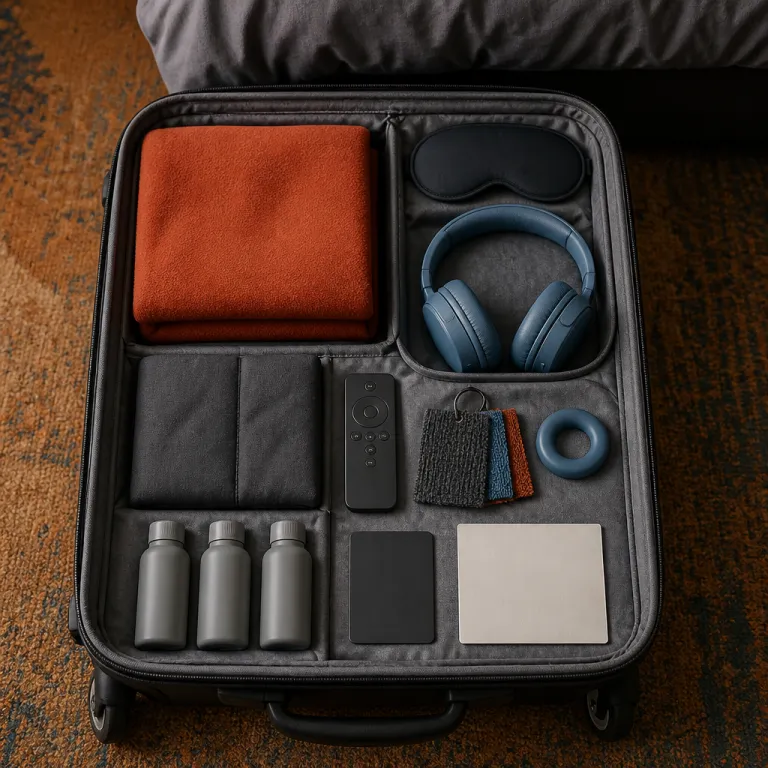
Families can also bring elements of a sensory bedroom from home to create a portable sensory room. Lightweight blackout curtains, a familiar duvet cover for a child, a small white noise machine and a compact ABA therapy toolkit can turn almost any room into calmer spaces. For longer stays or complex itineraries, consider working with a specialist travel advisor who understands autism spectrum needs and can coordinate hotels, flights and even accessible family restroom access, using resources that explain why refined family restrooms in luxury accessible hotels matter so much for dignity and calm.
To simplify the booking process, many parents rely on a reusable email template. A typical message might read: “We are traveling with a neurodivergent family member and would greatly appreciate a quiet room away from lifts, bars and event spaces, with fragrance free cleaning products, blackout curtains and independent control of all lights. If possible, please remove strongly scented amenities and ensure the minibar is switched off before arrival. Could you confirm whether any rooms have simpler layouts or softer lighting, and add these notes to our reservation?”
Why sensory friendly design benefits every guest, not only neurodiverse travelers
Designing a sensory friendly hotel room for a neurodiverse traveler rarely means adding cost; it means elevating comfort for everyone. Softer lighting, better acoustic insulation and clear wayfinding reduce stress for business guests, older travelers and overtired children after a long haul flight. When hotels create quiet zones and inclusive spaces as standard, they become sanctuaries for anyone who has had enough of conference chatter or poolside music.
Autism friendly features such as predictable layouts, intuitive controls and fragrance free cleaning also appeal to wellness focused travelers. A calm sensory bedroom with breathable linens, blackout curtains and a choice of pillow textures feels like an upgrade, not a compromise, whether or not you identify as neurodivergent. Inclusive hotels that invest in serious staff training on neurodiversity often see better overall guest satisfaction, because that same empathy translates into smoother problem solving for every type of traveler.
For premium families, the value is even clearer. A hotel that understands ABA therapy schedules, respects a child's need to retreat to a sensory room after breakfast and offers flexible dining times will usually excel at handling jet lag, nap windows and fussy eaters too. As one autistic parent described after a recent stay, “The room was quiet, the lights were gentle and staff never questioned our need to leave events early; for the first time, travel felt restorative instead of exhausting.” As one industry definition puts it, “A room designed to minimize sensory overload for neurodiverse guests,” and once you have stayed in such a room, it becomes hard to accept anything less, especially when planning complex accessible trips that already require careful thought about wheelchair charging, airline holds and the many details nobody covers in standard travel guides.
Personalized services that make sensory friendly stays genuinely luxurious
The most impressive sensory friendly hotel room for a neurodiverse traveler is only the starting point. True luxury emerges when staff training, service rituals and small anticipatory gestures align with the needs of autistic guests and their families. That might mean a pre arrival questionnaire that asks about sensory triggers, preferred communication styles and whether a child uses visual schedules or ABA therapy tools.
Some premium hotels now assign a single point of contact who understands autism spectrum needs and coordinates across departments. This person can arrange early check in to avoid lobby crowds, secure access to quiet zones during busy periods and brief restaurant staff on any sensory friendly or autism friendly dining adaptations. When this level of personalization is double checked and consistently delivered, families feel seen rather than managed, and the entire travel experience shifts from survival mode to genuine pleasure.
Forward thinking brands, including large groups and leisure focused concepts such as TUI and TUI Blue, are beginning to explore how sensory rooms and inclusive spaces can sit alongside kids clubs and spa suites. For a family vacation, that might translate into a reserved sensory bedroom near the pool, a calm corner in the kids club for people on the autism spectrum, or a private briefing for parents on how the équipe will respond if sensory overload hits mid activity. As more hotels adopt these practices, the phrase sensory friendly hotel room neurodiverse will signal not just a quieter space, but a fully integrated service philosophy where every guest, in every room, can expect the same standard of care.
FAQ
What is a sensory friendly hotel room for neurodiverse travelers ?
A sensory friendly hotel room for a neurodiverse traveler is designed to reduce sensory overload through controlled lighting, reduced noise, minimal strong smells and predictable layouts. It often includes options such as blackout curtains, soft textures, quiet mechanical systems and access to quiet zones nearby. The goal is to help autistic guests and other neurodivergent people feel calm, safe and in control of their environment.
Which hotels currently offer sensory friendly accommodations ?
Several high profile hotels now provide sensory friendly or autism friendly accommodations, including Hilton Garden Inn Sunnyvale, YOTEL Washington DC and JW Marriott Desert Springs Resort & Spa. These hotels combine adapted rooms, low sensory spaces and staff training on neurodiversity. Their programs and certifications are described in materials from Autism Speaks, IBCCES and related accessibility partners. When searching, look for Autism Friendly designations, Certified Autism Center status or partnerships with organizations such as Autism Speaks, IBCCES or Friendly Accessibility.
How can I find or request sensory friendly rooms when booking ?
When booking, start by checking whether the hotel mentions sensory rooms, quiet zones or autism friendly programs on its website. If nothing is listed, email or call the property and ask for a quiet room away from lifts, bars and event spaces, with fragrance free cleaning and controllable lighting. Request that these needs be double checked in your reservation and ask about any staff training on supporting autistic guests or families with autistic children.
What should I pack to make a standard room more sensory friendly ?
Many families travel with a small sensory kit to adapt standard rooms. Useful items include a white noise machine, a familiar blanket or duvet cover, blackout curtain clips, soft lighting options, noise reducing headphones and any ABA therapy tools your child uses at home. A brief checklist might also cover a compact night light, preferred snacks that do not have strong smells, a visual schedule or communication cards, and a small bag of tactile fidgets. These elements can quickly turn a regular room into a more comfortable sensory bedroom or improvised sensory room for neurodivergent travelers.
Do sensory friendly hotel features benefit guests who are not neurodiverse ?
Yes, sensory friendly design almost always improves comfort for all guests. Softer lighting, better sound insulation, clear signage and calmer public spaces reduce fatigue for business travelers, older guests and families with young children. Hotels that invest in these features, along with robust staff training, typically see higher satisfaction across the board, not only among autistic guests.