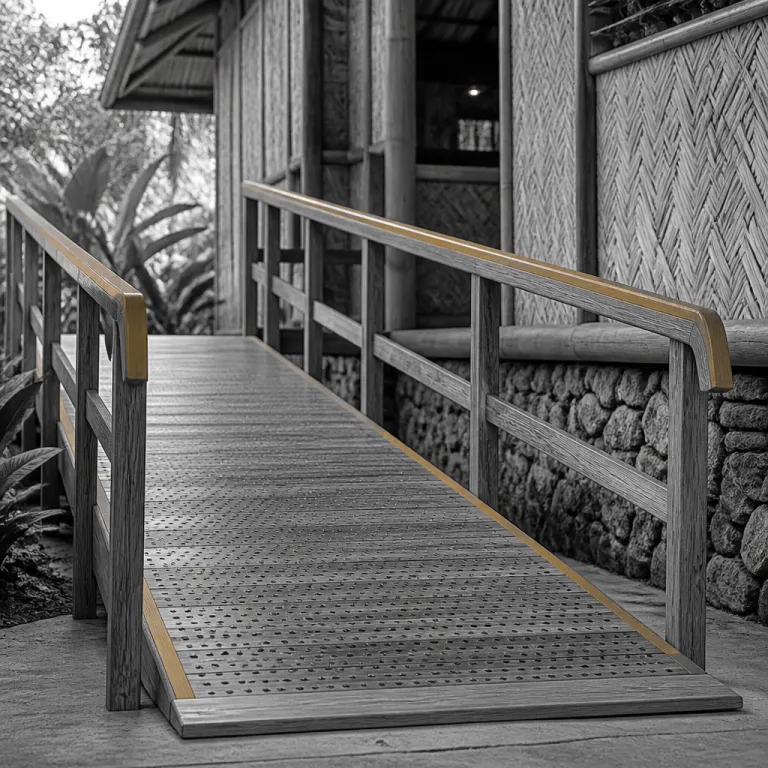
Where accessible eco-lodges and sustainable tourism truly meet
Accessible eco-lodges sit at the point where sustainable travel and inclusive design finally speak the same language. These lodges treat accessibility as a core architectural principle, not an afterthought added to otherwise green hotels. For couples planning accessible travel, the most rewarding stays are often the ones where the ramp, the rainwater system, and the low carbon footprint all feel part of one coherent story.
Across global tourism, demand for sustainable travel and accessible rooms is rising in parallel, yet many travelers still assume eco means rustic and difficult for wheelchair users or other disabled persons. Booking.com’s 2024 Sustainable Travel Report, for instance, notes that around three quarters of respondents want to travel more sustainably, while disability travel advocates estimate that hundreds of millions of trips each year involve travelers with access needs. The most forward thinking eco lodge owners and architects now use universal design principles and sustainable architecture together, proving that an accessible eco lodge with wheelchair friendly paths can be both elegant and low impact. This is where accessible sustainable concepts move from brochure copy to real life, with energy efficient systems, renewable materials, and easy access woven into every corridor, terrace, and trail.
The development of accessible eco properties is no longer niche, as the eco lodge segment is expanding and a large share of travelers now factor sustainability into their booking decisions. Analyses from the Global Sustainable Tourism Council (GSTC) and UN Tourism highlight steady double digit growth in nature based and eco tourism in several regions, reinforcing the case for inclusive green design. Eco conscious couples who care about responsible tourism increasingly expect hotels to provide accessible features that work as beautifully as the infinity pool or the spa. When an accessible eco lodge layout is done well, guests enjoy the same sense of place and connection to nature, whether they arrive with a wheelchair, a stroller, a guide dog, or simply a desire for a quieter, greener escape.
How sustainable materials can enhance accessibility rather than fight it
One of the quiet revolutions in accessible travel is how eco conscious materials are making movement smoother, not harder. Reclaimed wood decking, polished bamboo flooring, and recycled metal ramps can create wheelchair friendly surfaces that feel warm under bare feet yet remain slip resistant in humid nature settings. When architects treat accessibility as part of sustainable tourism from the first sketch, the result is an accessible eco lodge circulation plan that feels effortless to navigate.
Low carbon concrete, often used in green hotels to reduce embodied carbon, can be poured into gently graded paths that offer easy access from accessible rooms to shared lodge spaces. These environmentally friendly walkways avoid harsh steps and instead follow the terrain, allowing wheelchair users and other disabled travelers to move between the main lodge, private terraces, and spa areas without detours. In many of the best eco friendly properties, the same design that reduces carbon emissions also shortens distances, cuts unnecessary slopes, and makes every key location feel closer for all persons.
Luxury couples who care about accessible travel will notice when a property uses sustainable materials intelligently rather than decoratively. A wheelchair accessible boardwalk through wetlands, built from certified timber and raised to protect fragile ecosystems, can be both eco tourism infrastructure and a romantic sunset stroll. At Mashpi Lodge in Ecuador, for example, accessible suites include step free access, door widths of around 90 cm, and smooth, non slip flooring, while the property maintains a private reserve and runs on a mix of hydro and grid electricity. For a sense of how refined accessibility can feel in a premium context, look at an urban counterpart such as accessible luxury in the heart of Reykjavík, then imagine that same level of attention applied to an eco lodge deep in nature.
Nature, national parks and grounds that work for wheelchair users
Eco lodges near a national park often market their proximity to wild nature, yet the real test for accessible travel is what happens between the suite and the trailhead. The most thoughtful properties design wheelchair friendly circulation across the entire lodge, from reception to restaurant to firepit, using compact routes and clear gradients. When an accessible eco lodge path leads directly from accessible rooms to a viewing deck, guests enjoy the same sunrise as everyone else, without needing a separate entrance.
Nature based accessibility can take many forms, from elevated boardwalks across wetlands to compacted earth trails that remain firm after rain. Some eco friendly lodges now work with environmental NGOs and accessibility experts to map which parts of their grounds can support responsible tourism infrastructure without harming local ecosystems. In these projects, sustainable travel means more than low carbon energy; it means that wheelchair accessible routes, tactile markers, and rest points are planned with the same care as wildlife corridors and water harvesting systems. At Senda Monteverde in Costa Rica, for instance, accessible paths link rooms to the restaurant and lounge with slopes close to 1:20, and several trails use compacted gravel surfaces that remain stable in wet conditions.
For couples who love eco tourism but worry about uneven terrain, the key is to look for properties that publish detailed accessibility maps and specify which trails are suitable for wheelchair users or other disabled persons. A genuinely accessible eco property will explain gradient, surface type, and distance in metres, not just say "easy access" in marketing copy. One wheelchair using guest at a rainforest lodge in Southeast Asia described the difference this way: "The map showed every ramp, slope, and rest point, so I knew exactly how far I could go before I got tired." To see how green design and inclusion can be aligned at a systems level, explore this curation of sustainable and accessible eco conscious properties, then use that lens when evaluating any eco lodge near your chosen national park.
Inside the rooms: what luxury accessible eco suites should really offer
Step inside a well designed accessible eco suite and you immediately feel how sustainability and accessibility can share the same calm aesthetic. Wide doorways, level thresholds, and roll in showers are integrated with low energy lighting, natural ventilation, and eco friendly materials that keep the air fresh. In the best hotels, accessible rooms are not a separate category hidden at the back of the lodge but some of the most desirable spaces, with private terraces and strong connections to nature.
For wheelchair users and other disabled travelers, the details matter as much as the view. Bed heights that allow lateral transfers, under sink clearance, and space to turn a wheelchair are non negotiable, yet they can be paired with green amenities such as refillable toiletries, organic linens, and low carbon minibars. At Wilderness Safaris’ Bisate Lodge in Rwanda, for example, the accessible villa provides a turning circle of at least 150 cm in the bathroom, grab bars beside the toilet and shower, and a gently sloped entrance ramp, while the property offsets emissions and supports local reforestation. Couples seeking a romantic stay might choose an accessible eco suite with a private plunge pool and hoist, echoing the elevated comfort of an urban retreat with a private pool in your hotel room while still keeping the stay environmentally friendly.
Pet friendly policies are another area where inclusive and responsible tourism intersect, especially for guests who travel with assistance dogs. A pet friendly eco lodge that provides accessible outdoor relief areas, shaded paths, and water stations shows that it understands how different persons use the same shared spaces. When such a lodge also commits to low carbon operations, uses eco conscious cleaning products, and trains its équipe to provide accessible support without fuss, guests enjoy a stay where every design choice feels both kind to the planet and kind to the body.
Certifications, verification and what to check before you book
Labels can help, but they rarely tell the whole story about accessibility in eco lodges. Many green certifications focus on carbon, water, and waste, while only a few include robust accessibility criteria that matter for wheelchair accessible stays. Before booking, couples should treat sustainability badges as a starting point, then ask targeted questions about accessible rooms, wheelchair friendly routes, and how the lodge works with disabled guests in practice.
Some of the most reliable signals come from how transparently a lodge communicates about accessibility and sustainable travel on its website. Look for floor plans, measurements, and photos that clearly show roll in showers, grab bars, and circulation space, alongside data on renewable energy use and eco friendly construction. Certifications such as GSTC recognition, Green Key, LEED, or EarthCheck can indicate that a property follows credible sustainability standards, while national accessibility labels or compliance with ADA, BS 8300, or similar guidelines provide additional assurance. A property that openly shares both its accessibility features and its carbon reduction strategy is more likely to provide accessible experiences that match expectations once travelers arrive on location.
Industry research now highlights that the creation of eco lodges combining sustainability and accessibility aims to promote green tourism, ensure inclusivity, and support local economies. In this context, one expert definition is worth keeping in mind: "What defines an accessible eco-lodge?" and the answer "An eco-lodge designed for sustainability and inclusivity." should guide your questions when speaking with eco lodge owners or reservation teams. Ask how they collaborate with local communities, whether accessibility experts were involved in design, and how they balance responsible tourism with the needs of wheelchair users and other disabled persons over the full duration of a stay.
Why eco conscious couples and accessibility focused travelers are the same audience
Spend time talking with eco conscious couples and you quickly hear the same priorities that drive accessible travel advocates. Both groups care about thoughtful design, respect for local culture, and hotels that treat every guest as a full participant in the experience. In practice, the accessible eco lodge movement is powered by travelers who refuse to choose between low carbon stays and genuine accessibility.
Universal design principles, which aim to make spaces usable by all persons without adaptation, align naturally with sustainable architecture and responsible tourism. A ramp that follows the natural slope of a hill, shaded by local trees, can reduce the need for energy hungry lifts while giving wheelchair users and non disabled guests the same graceful route. When eco lodges work closely with local communities, they can create guided experiences where guests enjoy authentic culture, nature, and cuisine without segregating disabled travelers into separate, less green options. As one accessibility consultant put it, "The most sustainable trip is the one everyone can actually take."
For couples planning their next trip, the most future ready properties will be those that treat accessible travel and sustainable tourism as one combined promise rather than two competing checklists. These lodges use renewable materials, energy efficient systems, and inclusive layouts to provide accessible stays that feel indulgent yet environmentally friendly. As more travelers choose such hotels, the market sends a clear message: accessible sustainable design is not a niche upgrade but the new standard for any eco lodge that wants to welcome every guest, every wheelchair, every pet, and every love story with equal grace.
Key figures shaping accessible eco-lodges and sustainable stays
- Recent hospitality analyses suggest that the eco lodge market has been expanding at a double digit annual rate in many regions, reflecting strong demand for eco tourism and sustainable travel experiences worldwide.
- Travel sustainability surveys from major booking platforms report that a clear majority of travelers now actively seek sustainable accommodations, which reinforces the business case for hotels that combine low carbon operations with robust accessibility.
- Industry trend reports highlight that many guests, often described as more than two thirds of respondents, consider both environmentally friendly practices and inclusive accessibility when choosing where to stay, especially for longer romantic getaways.
- Universal design research shows that features created for wheelchair users, such as step free entrances and wider corridors, improve comfort and safety for nearly all guests, including families, older travelers, and staff.
- Hotel sustainability case studies increasingly document the use of high shares of renewable energy, low carbon concrete, and on site composting of food waste, demonstrating that eco friendly infrastructure can coexist with high end accessible rooms and services.
FAQ about accessible eco-lodges and sustainable wheelchair friendly stays
What defines an accessible eco lodge for wheelchair users and disabled guests?
An accessible eco lodge is a property that combines verifiable sustainability measures, such as low carbon construction and renewable energy, with comprehensive accessibility features for wheelchair users and other disabled persons. This means step free access from arrival to room, roll in showers, adapted controls, and clear circulation, all integrated into eco friendly architecture. The lodge should also train staff to provide accessible assistance respectfully and align its operations with responsible tourism principles.
Are accessible eco lodges more expensive than other green hotels?
Price varies widely, and some accessible eco lodges do sit in the premium segment because they offer large accessible rooms, private terraces, and high end amenities. However, many costs associated with universal design, such as wider doors or level thresholds, are marginal when planned from the start of construction. When you factor in the growing demand for accessible travel and sustainable tourism, these investments often improve long term ROI for hotels while giving travelers better value.
How can I verify that a lodge is genuinely wheelchair accessible and eco friendly?
Start by checking whether the lodge publishes detailed accessibility information, including measurements, photos of bathrooms, and descriptions of routes from parking to rooms and shared areas. Then review its sustainability commitments, such as renewable energy use, eco friendly materials, and carbon reduction targets, ideally verified by third party certifications. Finally, contact the property directly with specific questions about your wheelchair, mobility needs, or pet friendly requirements, and assess how precisely and transparently the équipe responds.
Do eco lodges in or near a national park offer good accessibility to nature?
Many eco lodges near national parks now provide accessible boardwalks, viewing platforms, and guided experiences designed for wheelchair users and other disabled travelers. The best properties collaborate with park authorities and local communities to create trails that protect nature while offering easy access and rest points. Always request maps and gradient information in advance, and confirm whether transport between the lodge and key locations inside the park is wheelchair friendly.
What should couples prioritise when booking an accessible sustainable romantic stay?
Couples should look for a balance of verified accessibility, strong eco credentials, and the kind of atmosphere that makes a romantic trip feel special. That means accessible rooms with private outdoor space, eco conscious amenities, and routes that allow both partners to move together through the lodge and its natural surroundings. Choosing a lodge that supports local communities, uses environmentally friendly operations, and can provide accessible experiences without compromise will make the stay feel both meaningful and memorable.