The sensory map of a luxury hotel stay for neurodiverse families
Neurodiverse family hotel travel autism sensory needs start long before the key card touches the door. For many autistic travelers and their families, the first hurdle is the lobby, where bright lighting, background music, and unpredictable noise can turn a simple check in into a stress test. When hotels understand this sensory map of the stay, they can turn potential flashpoints into calm, friendly travel moments that feel genuinely autism friendly.
Think about the journey in segments ; arrival, corridors, breakfast, pool, and checkout each carry distinct sensory risks. The lobby may overwhelm sensory sensitive children with echoing floors and queues, while long corridors can amplify noise and visual clutter for any autistic traveler who is already tired from travel. A hotel that offers quiet seating corners, clear signage, and communication aids at reception immediately signals that accessibility is not a marketing slogan but a lived practice for real travelers.
At premium hotels and resorts, the most successful neurodiverse family hotel travel autism sensory strategies are highly specific. Some properties now provide sensory friendly maps that highlight quiet zones, low light routes, and alternative entrances, which helps families plan their movements like a private, on property travel planning tool. When staff are trained to guide families through these routes, the entire accommodation experience becomes more predictable, and that predictability is often the most luxurious amenity for families on the autism spectrum.
Breakfast is another critical chapter in the sensory story of hotels. Crowded buffets, clattering plates, and strong smells can be far more challenging than the flight for many autistic guests, especially younger travelers. When a property offers early or late breakfast slots in quieter rooms, it transforms a daily stress point into a calm ritual that supports positive travel experiences.
Pool areas and kids’ activities can be equally complex for neurodiverse family hotel travel autism sensory needs. Loud music, whistles, and echoing indoor pools can trigger sensory overload, while unstructured activities may feel chaotic rather than relaxing for autistic children. Resorts that designate quiet zones by the pool or schedule sensory friendly swim times show that they understand how to balance fun, safety, and accessibility for all families.
Checkout is often overlooked, yet it can be the moment when accumulated sensory fatigue peaks. A long queue, a noisy lobby, and last minute questions can overwhelm both the traveler and the parent who has been managing every detail. Offering pre arranged express checkout, or allowing families to finalize booking details the night before, is a small operational shift that delivers outsized comfort for autism travel and for any sensory sensitive guest.
From icons to impact: hotels with real neurodiverse programs
Luxury travelers increasingly expect more than a wheelchair symbol when they search for accessibility. For neurodiverse family hotel travel autism sensory needs, the difference lies between a generic accessibility statement and a clearly articulated program that addresses sensory, communication, and routine based requirements. This is where specialized initiatives, staff training, and certified autism partnerships start to reshape the travel industry from within.
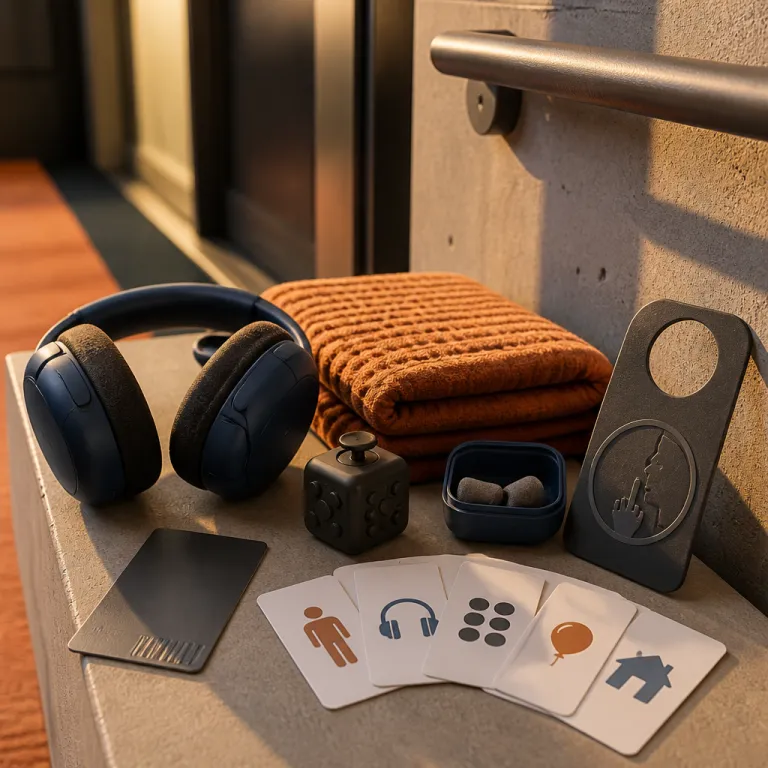
Archer Hotel, for example, has worked with neurodiversity partners to offer sensory kits, trained staff, and a more predictable guest journey for autistic travelers. These sensory kits typically include noise cancelling headphones, fidget tools, and visual cue cards, and they are designed to support both individual traveler comfort and family wide calm. As one expert explanation puts it, “Sensory kits include items like noise-canceling headphones and fidget tools to help manage sensory sensitivities.”
Hilton Garden Inn Sunnyvale has been recognized as a Neuro Ready property, signaling a deeper commitment to neurodiverse family hotel travel autism sensory expectations. That recognition reflects structured staff training, quiet zones, and sensory friendly services that go beyond a single room category or one off gesture. For families comparing accommodation options, this kind of clarity is as valuable as a star rating, because it shows that the hotel has double checked its processes rather than improvising on arrival.
Virgin Hotels has partnered with Autism Double Checked, a program that helps travel providers and hotels understand autism spectrum needs in a practical, operational way. This collaboration supports staff training modules, scenario based learning, and communication aids that make it easier for autistic guests to express preferences without repeated explanations. When a hotel has gone through such certification programs, families can approach booking with more confidence and less emotional labour.
For parents planning friendly travel with autistic children, it pays to ask very specific questions before confirming any booking. You might request details about quiet floors, sensory friendly dining options, or whether the property can provide a written schedule of activities to support travel autism routines. Resources such as this guide on what parents of children with disabilities need to verify before booking can help structure those conversations with hotels and travel agents.
Even when a property does not yet have a certified autism partnership, many luxury hotels and resorts are willing to adapt informally. The key is whether the staff are empowered to adjust lighting, reduce background music, or reserve quieter tables without bureaucratic delay. Families quickly sense when friendly services are embedded in the culture rather than treated as an exception, and that perception strongly shapes repeat travel experiences and long term loyalty.
Inside the stay: sensory kits, quiet hours, and staff who get it
Once the room door closes, neurodiverse family hotel travel autism sensory priorities shift from navigation to recovery. A well designed room can act as a decompression zone, buffering the autistic traveler from corridor noise, unpredictable housekeeping visits, and visual clutter. Luxury properties that understand this often treat sensory friendly design as seriously as thread count or minibar curation.
Hard Rock Hotel New York, through its partnership with KultureCity, offers sensory bags with weighted pads, noise cancelling headphones, and visual Social Stories that explain the hotel environment step by step. These tools help autistic guests and their families anticipate what will happen next, which reduces anxiety and supports more relaxed travel experiences throughout the stay. When such amenities are available on request, they turn a standard room into a specialized retreat for sensory sensitive travelers.
Quiet hours are another powerful yet low cost intervention that aligns perfectly with neurodiverse family hotel travel autism sensory needs. When hotels designate specific times with reduced noise and activity to create a calm environment for guests, families can plan showers, bedtime routines, and screen free wind down moments with far less stress. Some properties extend this idea to quiet zones on certain floors, where housekeeping schedules, corridor activities, and even door slams are carefully managed.
Staff training is the thread that connects all these elements into a coherent experience. When staff understand why a family might request housekeeping at a precise time, or why an autistic child may need to pace in the corridor, they respond with calm, friendly professionalism instead of confusion. Elite Hotels and similar groups investing in disability etiquette and neurodiversity training show how the travel industry can move from compliance to genuine hospitality.
Families should feel empowered to ask about sensory kits, quiet hours, and staff training during travel planning, not just at check in. A simple email template can outline needs such as communication aids, visual schedules, or access to quieter breakfast seating, giving the hotel time to coordinate internally. For inspiration on how premium properties are balancing rate structures with tailored services, this analysis of how non commissionable luxury hotel rates can work in your favour shows how value can be created beyond headline prices.
Location still matters, especially for international trips where jet lag and unfamiliar cities can heighten sensory load. Guides to elegant family friendly hotels in Los Angeles for accessible luxury stays illustrate how proximity to parks, quieter streets, and predictable transport links can support autism travel. When you combine a well located property with sensory friendly policies and staff who genuinely get it, the result is a stay that feels both luxurious and sustainable for the whole family.
How to brief a hotel that is willing, but not yet specialized
Not every luxury property has a formal neurodiverse program, yet many are eager to welcome neurodiverse family hotel travel autism sensory guests with care. The gap is usually not intention but information, which is where a clear, concise pre arrival briefing from the family can transform the stay. Think of it as giving the hotel a tailored accessibility roadmap rather than a list of demands.
Start by outlining who is traveling, without oversharing medical details, and describe the main sensory triggers and calming strategies that work for your autistic family member. You might mention that sudden noise, strong smells, or crowded lifts are challenging, while quiet corridors, dimmable lights, and predictable routines are helpful. This gives the staff a practical framework for friendly services that support both the traveler and the wider family.
Next, be specific about room preferences that relate to neurodiverse family hotel travel autism sensory comfort. Request a room away from lifts and service doors to reduce corridor noise, and ask whether the hotel can double check that any door closers are adjusted to avoid loud slams. If your traveler is sensory sensitive to light, ask whether blackout curtains are effective and whether any standby LEDs can be covered or dimmed.
It also helps to script a few standard requests that can be reused with different hotels and travel providers. For example, you might ask for a printed schedule of kids’ activities, or for restaurant staff to seat your family in a quieter corner away from speakers and high traffic paths. Over time, these scripts become part of your travel planning toolkit, making each new booking feel less like starting from zero.
Families who work with travel agents experienced in autism travel often find that these professionals can translate needs into hotel friendly language. An agent who understands the autism spectrum can negotiate early check in, late checkout, or access to quiet zones without framing them as special favours. This kind of advocacy is especially valuable for international trips, where language differences and unfamiliar customs can complicate direct communication.
Finally, remember that feedback after the stay is part of the ecosystem that improves neurodiverse family hotel travel autism sensory standards. When a hotel makes thoughtful adjustments, mention them in reviews so other travelers and families can benefit, and so management sees a clear link between friendly travel practices and guest satisfaction. Over time, these patterns of feedback help shape certification programs, staff training priorities, and the broader culture of accessibility in luxury hotels and resorts.
The business case: loyalty, reviews, and the future of sensory inclusive luxury
For the luxury segment, neurodiverse family hotel travel autism sensory investment is not only an ethical imperative but a strategic one. Families who feel genuinely welcomed tend to return to the same hotels and resorts, turning a single stay into a multi year relationship. That loyalty is amplified when autistic travelers know that staff understand their needs and that sensory friendly routines will be respected.
Industry data already points to a growing number of neurodiverse travelers choosing destinations and accommodation based on accessibility and sensory considerations. Hotels that partner with organizations such as KultureCity, Autism Double Checked, or similar certified autism initiatives are positioning themselves at the forefront of this shift. These partnerships often include staff training, operational audits, and communication aids that make the entire guest journey more predictable and humane.
Review patterns tell a similar story, especially when you read between the lines of comments about quiet rooms, flexible breakfast times, or attentive staff. Parents frequently highlight when a manager created an informal quiet zone, or when housekeeping respected a do not disturb request that aligned with an autistic child’s routine. These details may seem small, but they are the moments that define travel experiences for neurodiverse families.
From a travel industry perspective, neurodiverse family hotel travel autism sensory innovation is also a test bed for broader personalization trends. Sensory adapted rooms, flexible scheduling, and friendly services that respect individual routines benefit many travelers, not only those on the autism spectrum. As more international brands adopt certification programs and embed staff training, these practices are likely to become a new baseline for premium hospitality.
Travel providers who understand this shift are already adjusting how they market and package accommodation. Instead of generic family friendly labels, they highlight quiet zones, sensory friendly activities, and staff who have completed specific training modules. For families, this level of transparency turns booking from a gamble into a considered choice, supported by clear information rather than vague promises.
Ultimately, the hotels that will lead in neurodiverse family hotel travel autism sensory hospitality are those that treat accessibility as an ongoing conversation. They listen to travelers, adapt activities, and continuously double check whether their policies work in real life, not just on paper. In doing so, they create spaces where every traveler, autistic or not, can experience the same standard of calm, comfort, and understated luxury.
FAQ: neurodiverse family hotel travel and sensory inclusive stays
How can I find hotels that are genuinely autism friendly ?
Look for hotels and resorts that describe specific measures such as sensory kits, quiet hours, and staff training, rather than generic accessibility claims. Partnerships with organizations like KultureCity or Autism Double Checked, or references to certified autism or Neuro Ready programs, indicate a deeper operational commitment. When in doubt, email the property with detailed questions about sensory friendly options and see how clearly and promptly the équipe responds.
What are sensory kits and how do they help during a stay ?
Sensory kits are curated sets of tools designed to support sensory sensitive travelers, especially autistic guests. They often include noise cancelling headphones, fidget tools, visual cue cards, and sometimes weighted pads that help regulate sensory input in busy environments. Many luxury hotels now offer these kits on request, allowing families to create a calmer micro environment within the room or while moving through public spaces.
Why is staff training so important for neurodiverse guests ?
Staff training ensures that team members understand autism spectrum needs, common sensory triggers, and respectful ways to communicate with autistic travelers and their families. Trained staff are better equipped to adjust routines, suggest quiet zones, and use communication aids without drawing unwanted attention to the guest. This competence reduces misunderstandings and helps families feel that their needs are anticipated rather than tolerated.
What should I ask a hotel before booking for a neurodiverse family trip ?
Before confirming any booking, ask about room location, quiet floors, and whether the hotel can provide early or late breakfast in a calmer area. Inquire about sensory friendly amenities such as dimmable lighting, the availability of sensory kits, and any quiet hours or quiet zones in public spaces. It is also useful to ask whether the hotel can share a simple schedule of key activities or services, which can help autistic travelers prepare mentally for each day.
Can international luxury travel work for families with autistic children ?
International trips can be very rewarding for neurodiverse families when the right preparation and hotel support are in place. Choosing properties with clear accessibility information, sensory friendly policies, and demonstrated staff training significantly reduces uncertainty. Combining that with careful travel planning, realistic schedules, and open communication with travel agents or travel providers makes global travel autism experiences more manageable and enjoyable for everyone.