Why blind and low-vision hotel travel accessibility starts before check in
Blind and low-vision hotel travel accessibility begins long before a guest reaches the lobby. For blind travelers and other visually impaired travelers, the first barrier often appears on the booking page where images dominate and text alternatives are missing, so a luxury or premium accessible hotel that invests in clear descriptions, structured headings and screen reader compatible forms immediately signals respect for people with disabilities. When people blind or living with vision loss can compare accessible rooms, understand the layout and confirm that guide dogs are welcome, they gain the same freedom to plan accessible travel that sighted guests take for granted.
Serious hotels treat accessibility as a core part of the guest journey, not a legal afterthought. A well designed accessible tourism strategy means that every accessible hotel page explains room categories in large print friendly formats, describes lighting levels, and clarifies whether the front desk can provide human assistance for visually impaired guests on arrival, which is especially important for solo impaired travelers who will navigate unfamiliar spaces independently. When a booking platform highlights blind low vision hotel travel accessibility features with filters for low vision friendly services, guests blind or partially sighted can quickly identify properties where accessibility will actually work in practice.
Luxury hotels in the United States and beyond should also publish clear policies about access for people with disabilities. Under Title III of the Americans with Disabilities Act, a hotel must provide equal access to services for people disabilities, including blind visually impaired guests, yet many properties still fail to explain how this legal framework shapes their daily operations and staff training. When a hotel website calmly states how it complies with Title III, how the front desk handles guide dog arrivals, and how staff provide assistance without being intrusive, blind travelers can assess whether the culture matches the promises about accessibility.
From arrival to orientation: the welcome that actually works
The most elegant lobby means little if a blind guest cannot safely reach the front desk. For blind low vision hotel travel accessibility, the arrival sequence should be choreographed with the same care as a Michelin level service, starting with clear instructions in the booking confirmation about where a guide dog relief area is located, how to request meet and greet assistance, and which entrance offers step free access with predictable flooring for people blind or with low vision. When guests blind or visually impaired step from a taxi into a calm, well briefed welcome, the tone of the entire stay changes.
At check in, staff training matters more than marble. A genuinely accessible hotel trains its front desk équipe in sighted guide technique, so they can offer an elbow rather than grabbing a visually impaired guest’s arm, describe the lobby layout in concise language, and ask whether the guest prefers verbal directions or a guided walk to the room, which respects autonomy while still offering assistance. Properties that send a short, personalised message in advance — a refined version of a perfect welcome note for guests at a hotel — can outline accessibility options, from tactile maps to large print information, giving impaired travelers time to decide what will work best.
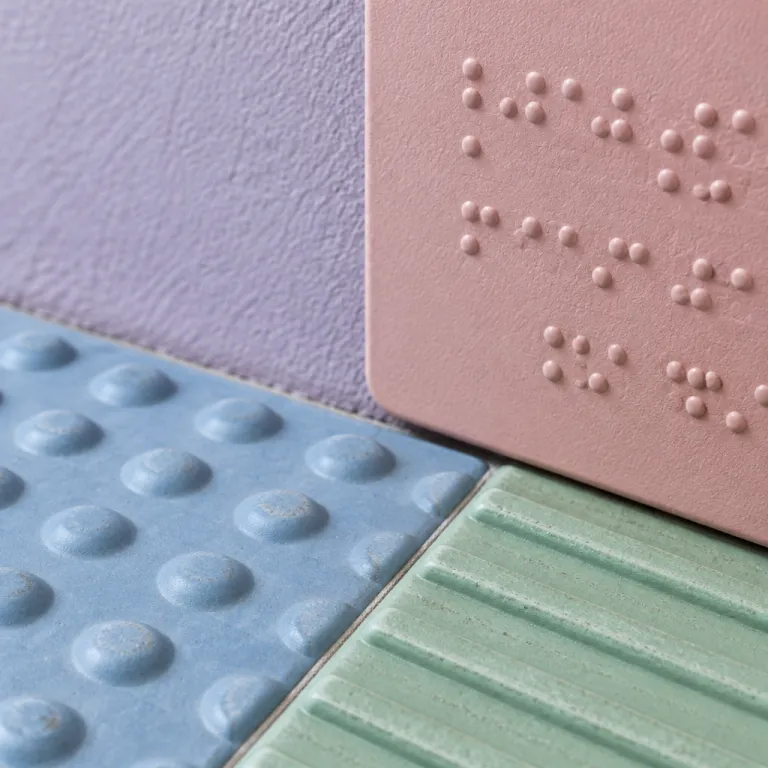
Orientation should never rely solely on braille signage that many low vision guests cannot read. A thoughtful hotel will provide a brief audio described tour of key routes, such as from the elevator to the room, from the room to the restaurant, and from the lobby to the spa, while also offering printed guides in large print for people with residual vision who prefer text. When hotels pair this with clear policies about how staff respond if a guest with disabilities becomes disoriented, blind travelers feel that accessibility is woven into the safety culture rather than bolted on as an afterthought.
Inside the room: independence, technology and tactile intelligence
For blind and low vision guests, the hotel room is either a sanctuary of independence or a maze of hazards. Blind low vision hotel travel accessibility inside the room depends on predictable layouts, logical furniture placement and consistent pathways from bed to bathroom, so people blind or visually impaired can memorise routes quickly without constant assistance. When hotels standardise where light switches, climate controls and power outlets sit, impaired travelers can transfer skills from one stay to the next, reducing cognitive load and stress.
Voice activated room controls are transforming accessible travel for guests with vision loss. Systems that allow a guest to adjust lights, blinds, temperature and entertainment by voice remove the need to hunt for tiny buttons or glossy touch panels that offer no tactile feedback, which is especially liberating for solo blind travelers who prefer minimal staff interaction once settled. Luxury hotels that integrate these systems with accessible audio menus for room service and spa bookings, rather than visual only apps that opens window after window without labels, create a seamless experience where accessibility will feel like part of the design language.
Low tech details still matter as much as innovation. Tactile markers on key cards, raised dots on amenity bottles, and high contrast edges on bathroom fixtures help guests blind or with low vision distinguish shampoo from conditioner and locate towel rails without trial and error, while large print versions of in room directories support visually impaired guests who read enlarged text. When a property combines these details with smart timing advice — such as recommending shoulder season stays for fewer crowds and more attentive service, as explored in this guide to choosing quieter travel periods for real access — blind travelers gain both comfort and control.
Wayfinding, amenities and the spaces between
Most accessibility audits focus on the room and forget the journey to everything else. For blind low vision hotel travel accessibility, the corridors, elevators, restaurants and spa areas are where independence is either reinforced or quietly eroded for people with disabilities who want to move freely. Hotels that invest in consistent floor textures, clear audio elevator announcements and logical numbering schemes make it easier for guests blind or visually impaired to build mental maps of the property.
New wayfinding technologies are starting to reshape accessible tourism for visually impaired travelers. Right Hear, a navigation solution designed for blind and low vision users, has been showcased as a purpose built hotel tool that provides audio cues about nearby facilities, doorways and obstacles, which can complement human assistance rather than replace it. When a hotel pairs such systems with tactile maps at reception, clear verbal directions from staff and optional escort services for people blind or with significant vision loss, the result is a layered approach where accessibility will adapt to different comfort levels.
Amenities should be as accessible as the rooms that lead to them. Pool areas with clear tactile edging, spas with staff trained to guide visually impaired guests safely through wet zones, and rooftop bars where menus are available in large print or via QR codes compatible with screen readers all contribute to a genuinely accessible travel experience, not just a compliant one. For inspiration on how luxury amenities can respect every guest, properties can look to best practice guides on accessible rooftop bars, infinity pools and spa circuits that never require compromise, then adapt those principles to the specific needs of blind travelers.
Training, law and practical travel tips for blind and low-vision guests
Even the most advanced technology fails without human understanding. For blind low vision hotel travel accessibility to feel authentic, every front desk agent, concierge and guest relations manager must understand how to interact respectfully with people disabilities, from offering assistance without infantilising to recognising a guide dog as a working partner, not a pet. In the United States, the Department of Justice enforces Title III of the Americans with Disabilities Act, which requires hotels to provide equal access and reasonable modifications for blind visually impaired guests and other travelers with disabilities.
Luxury properties that excel in accessible tourism usually go beyond minimum legal standards. They run regular training where staff role play guiding a blind guest through a crowded lobby, practice describing dishes for visually impaired diners who cannot read menus, and learn how to handle situations where a guest with vision loss becomes disoriented in an unfamiliar corridor, which builds confidence on both sides of the interaction. When hotels also maintain clear procedures for emergency evacuations that include people blind or with low vision, such as tactile maps, verbal instructions and designated staff buddies, guests blind or partially sighted can trust that accessibility will hold even under stress.
For travelers themselves, a few travel tips can turn a good stay into an exceptional one. Before arrival, blind travelers can email the hotel to request large print materials, confirm guide dog relief areas and ask whether staff are trained in sighted guide technique, while impaired travelers who use screen readers may want to test the hotel’s app or website for compatibility in advance. During the stay, people blind or with low vision should feel entitled to ask for practical assistance, such as labelling minibar items, pre programming elevator buttons or providing a short verbal guide to the breakfast buffet layout, because true accessible travel is a partnership between informed guests and prepared hotels.
FAQ
How can I check if a hotel really works for blind and low-vision guests ?
Start by reviewing the hotel website with a screen reader or magnification tool to see whether room descriptions, amenities and policies are accessible. Then contact the front desk or reservations team directly to ask specific questions about large print materials, staff training in sighted guide techniques and support for guide dogs, which quickly reveals whether blind low vision hotel travel accessibility is lived or just claimed. Reading independent reviews from blind travelers and other visually impaired guests can also highlight how well accessibility will function in real conditions.
What should a truly accessible room offer for blind and low-vision travelers ?
A well designed accessible room for people blind or with low vision should have a consistent layout, clear pathways from bed to bathroom and high contrast edges on key fixtures. Voice activated controls for lights, blinds and climate, along with tactile markers on amenities and large print information, allow guests blind or visually impaired to manage the space independently. When hotels add options like audio described room orientation and quick response assistance from staff, blind travelers gain both comfort and confidence.
Are hotels required by law to accommodate blind and visually impaired guests ?
In the United States, hotels fall under Title III of the Americans with Disabilities Act, which is enforced by the Department of Justice and requires equal access for people with disabilities, including blind and low vision guests. This means properties must make reasonable modifications to policies, allow guide dogs, and ensure that services are accessible, not just the physical building. Many leading hotels choose to exceed these minimums by investing in staff training, accessible technology and detailed communication for impaired travelers.
What can I request from a hotel if I have vision loss ?
Guests with vision loss can reasonably request large print materials, verbal orientation to key routes, assistance reading menus and support with navigating complex spaces like buffets or spas. People blind or visually impaired can also ask for practical adjustments such as labelling toiletries, pre setting room controls or providing a tactile map of the property, especially in luxury environments where personalised service is expected. Clear, polite communication about what will help you most usually leads to better accessible travel experiences for both guests and hotels.
How do I travel with a guide dog in luxury and premium hotels ?
When travelling with a guide dog, contact the hotel in advance to confirm pet policies do not override your rights as a person with disabilities and to locate relief areas near your room. On arrival, remind the front desk that the dog is a working animal, not a pet, and clarify any assistance you may need with access to outdoor spaces or quiet seating in restaurants. Many high end hotels are increasingly familiar with guide dogs and will adapt services so that both blind travelers and their animals can move comfortably through the property.