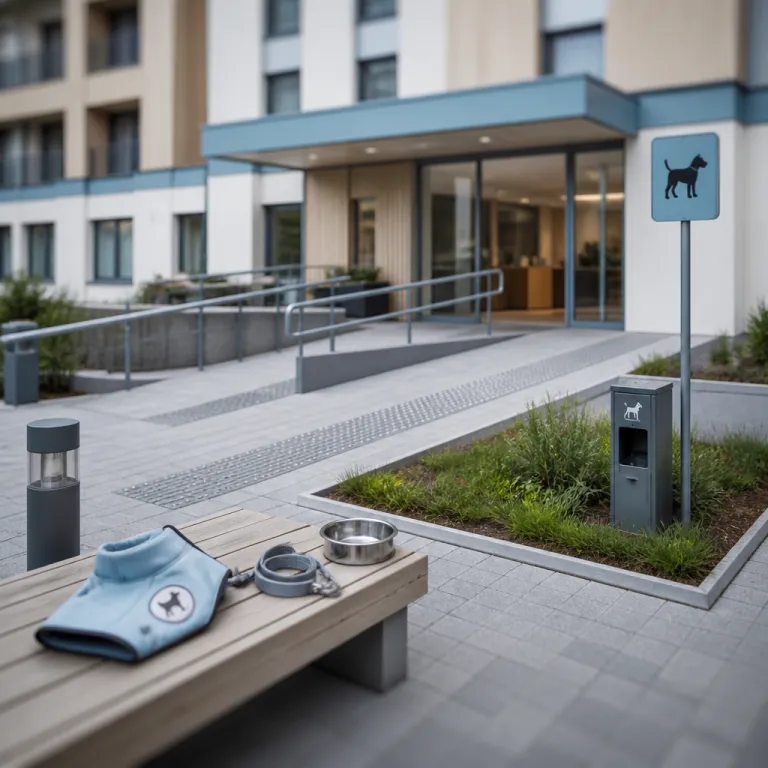
Understanding service animal hotel rules and your ADA protections
Luxury travel feels very different when you know the service animal hotel rules accessibility ADA framework that quietly shapes every check in. Under the Americans with Disabilities Act, a service animal is a dog that is individually trained to perform tasks directly related to a person’s disability, and that definition matters at the front desk when staff start asking questions. In a premium hotel, those rules should translate into seamless arrivals where the service dog is treated as essential equipment, not as a pet that is merely allowed as a favor.
The ADA applies to every hotel that is open to the public, and Title III of the law treats these properties as public accommodations with clear civil rights obligations toward people with disabilities. Under Title III, service animals must be allowed in all areas where an individual with a disability can go, which means the lobby, spa reception, breakfast room, and club lounge are all part of the same legal landscape. Staff may ask only two questions about a service animal ; whether the dog is required because of a disability and what tasks the dog has been trained to perform, and they cannot demand documentation, ID cards, or proof of animals training.
In practice, this means a person with a disability does not have to explain their diagnosis, show medical letters, or prove that a dog trained to perform tasks is “legitimate” in some special way. The hotel cannot charge pet fees, impose special cleaning surcharges, or restrict service dogs to certain floors, because that would treat individuals with disabilities differently from other guests. When a luxury hotel respects these ADA rules, the animal service partnership between handler and dog simply blends into the guest experience, and the person disability is never turned into a spectacle at reception.
Where service animals are allowed in luxury hotels, and where friction still appears
Once you are checked in, the service animal hotel rules accessibility ADA standards follow you through every corridor, restaurant, and spa lobby. A service dog must be allowed anywhere the public can go, from rooftop bars to pool decks, unless the presence of service dogs would fundamentally alter the nature of the service, which is rare in hospitality. In an accessible all inclusive resort that truly understands people with disabilities, you will see staff calmly making space for animal service teams at buffets, beach paths, and cabanas without fuss or side comments.
Common friction points still appear around food service, where some staff wrongly believe that animals are banned from breakfast rooms or club lounges. Under the ADA, service animals are allowed in these public dining areas, because the dog is there to work and perform tasks for an individual disability, not to eat from the buffet or sit on chairs. The same logic applies to spa waiting areas and fitness centers, where a dog trained to support balance or alert to medical issues must stay close to the person disability, even if other guests bring up allergies or fears.
Pool areas and beach clubs in luxury properties can be especially tense, because some state or local health codes are misinterpreted as blanket bans on animals. In reality, ADA rules override most state local policies that conflict with federal civil rights protections, and service animals remain allowed on pool decks, though not necessarily in the water itself. When you evaluate accessible all inclusive resorts for a future stay, ask specifically how they handle service animals around pools, kids’ clubs, and beach bars, and listen carefully for answers that show staff understand both the law and the lived experience of individuals disabilities.
Service animals, emotional support animals, and the limits of ADA protection
One of the most misunderstood parts of service animal hotel rules accessibility ADA guidance is the sharp legal line between service animals and emotional support animals. Under federal law, a service animal is a dog that has been individually trained to perform tasks for a person with a disability, such as guiding, alerting to seizures, or providing physical support, while emotional support animals provide comfort but do not perform specific work. Hotels covered by Title III must admit service dogs, but they are not required to accept emotional support animals in the same way, even when those support animals are vital to someone’s mental health.
Luxury properties sometimes blur this distinction in their marketing, promising to welcome all animals while quietly charging fees for emotional support animals that they would never apply to a service dog. From a civil rights perspective, that is where you need to be precise in your language, because the ADA and related animals ADA regulations protect service animals, not every animal that helps someone feel calmer. When you read accessibility statements or policies, look for clear references to the Americans with Disabilities Act, Title III, and the Department of Justice guidance, rather than vague promises about being “pet friendly” for people disabilities.
Behind the scenes, serious hotel groups now track accessibility progress with the same rigor as guest satisfaction, using internal audits and accessibility KPIs to measure how well staff handle service dogs and individuals disabilities at every touchpoint. Some brands commission independent reviews of their ADA compliance, including mystery guest stays where an individual disability travels with a dog trained to perform tasks and reports on every interaction. If you want to support properties that treat animal service access as a core standard rather than a side issue, look for hotels that talk openly about how they measure accessibility progress and how they respond when guests flag problems, and explore resources on how hotel groups measure accessibility progress to understand what best practice looks like.
Preparing for your stay: documentation, communication, and handling pushback
Even when service animal hotel rules accessibility ADA protections are clear, the reality at the front desk can still involve awkward questions, illegal fees, or outright refusals. Preparation does not mean asking for permission ; it means documenting your rights and creating a paper trail that makes it easier to resolve problems quickly if staff misunderstand the law. Before you travel, save the Department of Justice ADA guidance on service animals to your phone, along with your hotel confirmation and any email where the property confirms that your service dog is welcome.
While the ADA does not require documentation for service animals, many travelers with disabilities choose to carry basic veterinary records to show that their dogs are vaccinated and under control, especially when crossing state or international borders. These records are not a legal requirement for access, but they can calm nervous staff in luxury hotels that rarely host people disabilities traveling with animal service partners. When you email the hotel in advance, be clear that you are traveling with a service animal that is trained to perform tasks for an individual with a disability, and ask them to note this on your reservation so every shift sees the same information.
If you face pushback at check in, stay calm but firm, and state that under the Americans with Disabilities Act, service dogs are allowed in all public areas of the hotel and cannot be subject to pet fees or restricted to certain rooms. Ask politely to speak with a manager, and if necessary, mention that you will file a complaint with the Department of Justice or the relevant state local civil rights agency, because individuals disabilities should not have to argue for basic access. After the stay, consider sending a detailed account to the hotel’s corporate accessibility or guest relations team, so your experience helps refine staff animals training and prevents the next person disability from facing the same barriers.
Beyond the law: choosing hotels that truly understand service animal travel
Legal compliance is the floor, not the ceiling, for service animal hotel rules accessibility ADA expectations in the luxury space. The properties that stand out for Solo Explorers with disabilities are the ones where staff are already briefed on how service animals work, where nobody tries to pet the dog while it is on duty, and where the room layout quietly supports both the individual and the animal. In these hotels, the partnership between person and dog is treated with the same respect as any other high value guest preference, from pillow menus to dietary needs.
When you research hotels, read reviews from people with disabilities and look for specific mentions of how staff handled service dogs, not just generic comments about being “accessible”. Pay attention to whether guests describe animals training aware teams who know when to offer help and when to step back, or whether they mention repeated challenges at breakfast, the spa, or the bar. Properties that invest in staff education about animal service etiquette often also excel in other inclusive practices, such as sensory friendly quiet hours and neurodiversity aware amenities, which you can explore in more depth through guides to hotels making neurodiverse family travel possible.
On a practical level, the best luxury hotels for individuals disabilities will ask you what tasks your service animal performs and then quietly adjust operations, whether that means assigning a room near elevators, arranging late housekeeping so the dog can rest, or briefing security so no one questions you in public spaces. They understand that service animals are not optional extras but essential partners that perform tasks which allow people disabilities to travel independently and safely. When you find a property where your service dog is treated as part of the guest, not as an exception to be managed, you are not just compliant with ADA rules ; you are finally experiencing the standard of hospitality that every individual disability deserves.
FAQ
Can a hotel charge extra fees for my service animal?
Hotels covered by the Americans with Disabilities Act cannot charge pet fees, special deposits, or extra cleaning charges for a service animal that is trained to perform tasks for a person with a disability. They may charge for actual damage caused by any animal, in the same way they would charge any guest for room damage. If a property insists on a pet fee for service dogs, you can ask for a manager and reference the ADA and Title III public accommodation rules.
What questions can hotel staff legally ask about my service dog?
Staff at a hotel may ask only two questions about a service animal when the need is not obvious. They can ask whether the dog is required because of a disability and what work or tasks the dog has been trained to perform. They cannot ask about your diagnosis, demand documentation, or require that the animal demonstrate its tasks in public areas.
Are emotional support animals treated the same as service animals in hotels?
Under the ADA, emotional support animals are not considered service animals because they are not individually trained to perform specific tasks related to a disability. Hotels must allow service animals but are not required by federal law to accept emotional support animals on the same basis, although some brands choose to do so under their own pet policies. Always check the hotel’s written policy and clarify whether they distinguish between service dogs and support animals before you arrive.
Can a hotel refuse my service animal because of breed or size?
Hotels cannot exclude a service animal solely because of breed, size, or general assumptions about behavior. They may ask that any animal, including service dogs, leave if it is out of control and the handler does not take effective action, or if the animal is not housebroken. Those decisions must be based on actual behavior in the moment, not on stereotypes about certain dogs.
What should I do if a hotel illegally refuses my service animal?
If a hotel refuses your service animal or tries to confine you to certain rooms, document everything in writing, including names, times, and what was said. Ask to speak with a manager and calmly explain that under the Americans with Disabilities Act and related civil rights laws, service animals are allowed in all public areas of the property. Afterward, you can file a complaint with the Department of Justice or a relevant state or local civil rights agency, and consider leaving a detailed review to help other travelers with disabilities.