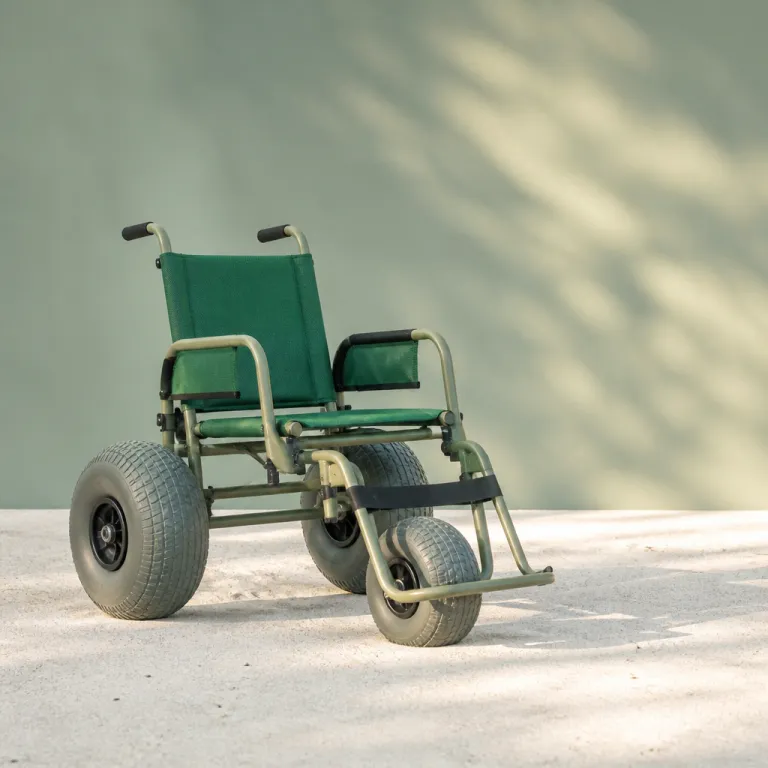
Why the right accessible all-inclusive resort wheelchair experience starts before you book
Choosing an accessible all-inclusive resort wheelchair experience begins long before you reach the lobby. The structural advantage is clear because a single resort site concentrates rooms, restaurants, pool, bars and beach in one controlled environment, which should reduce transport stress for wheelchair guests and their families. Yet many inclusive resorts still treat accessibility as a lobby level checkbox, leaving guests to fight for bathroom access, navigate steps to the pool or roll across sand without a beach wheelchair in sight.
For premium families planning accessible travel, the first filter is always honest information about accessible rooms and facilities. You need precise answers on whether every key area is wheelchair accessible, from roll showers and raised toilet options in the bathroom facilities to step free routes between the pool, accessible restaurants and general beach areas. That is why we insist that an accessible inclusive stay means the same quality of experience for every guest, not a downgraded version of the resort promise for anyone using wheelchairs or other mobility aids.
Before you commit, ask the resort to map your stay from airport arrival to the first roll into your room. Request measurements in centimetres rather than vague assurances, including door widths, bed heights and whether any thresholds are more than a few centimetres or inches high. Clarify if the site wheelchair routes cover the spa, kids club, bars and beach accessible paths, and whether a dedicated beach wheelchair is available for transfers from the paved walkway to the shoreline.
To make this easier, many families now use a simple, scannable measurement checklist while they speak with the reservations team. Typical comfort ranges include door widths of at least 80–90 cm, bed heights between 45–55 cm from floor to top of mattress, and thresholds ideally under 2–3 cm or one inch. Treat these figures as starting points rather than rigid rules, and adapt them to your own wheelchair dimensions, transfer style and daily routine; saving this as a downloadable PDF or note on your phone turns it into a reusable planning tool.
From lobby to suite: what genuinely accessible rooms look and feel like
In a true accessible all-inclusive resort wheelchair experience, the welcome starts at the porte cochère, not at the reception desk. Level entry, smooth paving and clear signage guide wheelchair guests directly to check in, while staff trained in accessible travel etiquette offer assistance without fuss or overcompensation. From there, the route to the accessible rooms should be obvious, step free and never routed through service corridors or steep ramps that feel like an afterthought.
Inside the room, layout matters as much as labels because a door marked wheelchair accessible means little if a wheelchair cannot turn beside the bed. Look for generous circulation space around the bed, under sink clearance in the bathroom, and furniture that does not block access to the balcony or terrace. The best resorts treat accessible rooms as premium inventory, aligning views, finishes and amenities with their top categories rather than relegating wheelchair guests to ground floor corners near noisy facilities.
The bathroom is where design either supports independence or quietly undermines it. You should expect a roll in shower with level entry, secure grab bars on both sides where possible, a fold down bench and a raised toilet with space for lateral transfers. When you negotiate rates for these rooms, remember that non standard inventory can behave differently in revenue systems, and understanding how non commissionable luxury hotel rates work can sometimes give you leverage on upgrades or added services; a detailed guide on non commissionable luxury hotel rates can help you frame those conversations with confidence.
Short, documented examples can clarify what this looks like in practice. During a 2023 accessibility review at a large Caribbean resort, one family reported that a 90 cm bathroom door, 50 cm bed height and 2 cm balcony threshold allowed independent transfers and easy balcony access, while a neighbouring property with a 5 cm step and narrow door required constant assistance. One Caribbean resort manager summarised the goal clearly during an accessibility audit: “If a guest using a wheelchair cannot shower, reach the balcony or dine with their family in the main restaurant, then the stay is not truly all-inclusive for that family.” Use that standard when you review floor plans, photos and descriptions of any accessible suite or family room.
Pool, spa and general beach access: where many inclusive resorts still fail
Once you leave the room, the real test of an accessible all-inclusive resort wheelchair promise begins. Families do not travel to the Caribbean or Riviera Maya just to sit in accessible rooms; they come for the pool, the beach, the restaurants and the kids club. Yet too many resorts remain accessible only in the main building, leaving steps to the pool deck, narrow paths to the spa and soft sand between the paved promenade and the general beach.
When you assess pool access, ask direct questions about hoists, ramps and handrails. A working pool lift, maintained daily and operated by staff who know the procedure, transforms the experience for wheelchair guests who want to swim with their children rather than watch from the edge. Check whether the pool bar is reachable via a level route and whether any swim up bars have adjacent seating at standard height for guests who cannot use submerged stools.
Beach accessible design is even more nuanced because tides, dunes and local regulations all shape what is possible. Ask if the resort provides a dedicated beach wheelchair, whether there is a firm pathway across the sand, and if staff are trained to assist with safe transfers at the shoreline. Travelling in shoulder season can also improve access, because fewer crowds mean easier navigation of shared facilities; planning a September trip for wheelchair travelers is often a smart strategy when you want quieter paths, more attentive service and extra time for staff to set up equipment without rush.
To keep the conversation practical, use a short, copy ready script: “Can you describe the exact route from my accessible room to the main pool, spa and general beach, including any ramps, slopes or steps?” Ask the agent to walk that route while on the phone or video call if possible, and to confirm where the nearest accessible bathroom facilities and roll showers sit in relation to the pool and shoreline. If they can send labeled photos or a simple diagram with arrows and measurements, save these images with your booking documents so you can refer back to them on arrival.
Caribbean case studies: from Cancún to Riviera Maya and Playa del Carmen
The Caribbean remains a benchmark for the accessible all-inclusive resort wheelchair segment, but quality varies dramatically between properties. In Cancún, some large scale resorts offer accessible rooms in the main tower yet forget to extend wheelchair accessible routes to the beachfront restaurants or the furthest pool. In contrast, selected inclusive resorts along the Riviera Maya corridor between Cancún and Playa del Carmen have invested in continuous pathways, beach accessible boardwalks and coordinated transport in golf carts for guests who cannot manage long distances.
Families often ask whether Playa del Carmen or the wider Playa del area is better for accessible travel. The answer depends on your priorities because compact urban resorts near Quinta Avenida offer shorter internal distances, while larger Riviera Maya resorts provide more on site wheelchair facilities but sometimes at the cost of longer rolls between venues. In both cases, insist on a detailed site wheelchair map that shows every ramp, lift and step, and cross check it against your daily routine from breakfast to evening entertainment.
For guests who want a quieter general beach scene with strong accessibility credentials, some properties south of Playa del Carmen now provide beach wheelchair services on request, along with roll in showers at the poolside changing rooms and raised toilet options in public bathroom facilities. If you enjoy this level of granular planning, you may also appreciate how accessible safari lodges manage terrain and distance; a guide to accessible safari camps shows how thoughtful design in remote environments can match or even surpass what many coastal resorts currently offer.
Regional tourism boards in Mexico and the wider Caribbean increasingly publish accessibility statements and pilot projects in their annual reports. While these documents rarely list every resort, they can confirm broader trends such as investment in firm beach pathways, accessible public transport links and training programmes for staff who support wheelchair users and other guests with reduced mobility. When you read these reports or resort fact sheets, note the year of publication so you can distinguish between current data and older inspection results.
Beaches Resorts, Club Med and the new standard for accessible inclusive stays
Among global brands, Beaches Resorts and Club Med illustrate how an accessible all-inclusive resort wheelchair commitment can move beyond minimum compliance. Beaches Resorts has invested in accessible rooms at Turks & Caicos and Negril, paired with beach wheelchairs, ramps and close collaboration with local accessibility organisations. Club Med properties in the Caribbean have gradually expanded wheelchair accessible inventory, adding ramps, adapted bathroom facilities and staff training that addresses both mobility and sensory needs.
Families considering these brands should still ask detailed questions, because not every resort in a portfolio offers the same level of access. Confirm whether accessible rooms are located near the main pool and accessible restaurants, or whether long outdoor corridors and gradients might make daily movement tiring for wheelchair guests. Ask specifically about roll showers, grab bars, raised toilet heights and whether any thresholds exceed a few centimetres or inches high, especially at balcony doors and bathroom entries.
One verified statement from the operators underlines the current reality for accessible travel in these environments; “Do these resorts provide beach wheelchairs? Yes, beach wheelchairs are available at select resorts.” and “Are all resort areas wheelchair accessible? Most areas are accessible; some exceptions may apply.” For premium families, that phrase “some exceptions” is your cue to interrogate the details, from spa access and kids club entrances to whether the general beach bar can be reached without steps or steep ramps that compromise independence.
Because brand level information can change as renovations finish or new wings open, treat any published figures or claims as indicative rather than definitive. Always verify the current number of accessible rooms, the status of pool lifts and the availability of beach wheelchairs directly with the resort’s reservations or guest services team before you finalise flights. Asking for the latest accessibility fact sheet, dated photos of key areas and, where available, copies of recent inspection or audit summaries will give you a more reliable picture than marketing language alone.
Questions to ask before you book: a practical script for premium families
Turning an accessible all-inclusive resort wheelchair brochure into a real world stay requires a structured pre booking conversation. Email alone rarely captures the nuance of bathroom access, roll in showers or the exact position of grab bars, so request a video call or detailed photos with measurements. Aim to speak with a manager who understands both the physical layout and the operational realities of supporting wheelchair guests across all facilities.
Start with the room, asking how many accessible rooms exist, where they sit within the resort and whether they connect to family rooms if you travel with children. Clarify if every accessible room includes a roll shower, a raised toilet and grab bars positioned to support both left and right side transfers. Then move outward, mapping the route from your door to the pool, beach, restaurants, kids club and spa, and ask whether each segment is fully wheelchair accessible without detours through service areas.
Do not forget operational questions that shape daily comfort. Ask about the booking process for beach wheelchair use, whether you can reserve one for specific time slots, and how far staff can assist along the shoreline. Confirm the height of buffet counters in accessible restaurants, whether at least one section is set lower for wheelchair users, and if bars provide table service in areas where the counter is too high for a seated guest general experience.
To keep everything organised, many families create a one page checklist that mirrors their typical day: wake up and shower, breakfast, pool or beach time, kids club, lunch, afternoon rest, dinner and evening entertainment. Under each stage, note the accessibility answers you receive, including any measurements, and highlight gaps that might require workarounds or a different resort choice. Turning this into a printable PDF with tick boxes and space for notes makes it easy to reuse for future trips and to share with other family members or carers.
Beyond the Caribbean: applying the same lens to accessible travel worldwide
Once you have experienced a genuinely accessible all-inclusive resort wheelchair stay, it becomes easier to benchmark other destinations. The same questions about rooms, bathroom facilities, pool access and beach accessible routes apply whether you are in Cancún, the Riviera Maya, the Indian Ocean or the Mediterranean. What changes is the local infrastructure around the resort and the cultural familiarity with wheelchair guests, which can influence everything from airport transfers to off site excursions.
When you evaluate new resorts, look for evidence of continuous improvement rather than one time adaptations. Properties that partner with disability organisations, invest in staff training and publish detailed accessibility guides usually deliver a more consistent accessible inclusive experience. They also tend to understand that accessible travel is not a niche but a core part of their guest mix, which encourages them to maintain equipment, update site wheelchair maps and keep roll showers, grab bars and raised toilet fixtures in top condition.
Seasonality also plays a role in how accessible a resort feels day to day. Travelling outside peak holidays often means quieter pools, less crowded restaurants and more time for staff to assist with beach wheelchair setups or personalised support for wheelchair guests. A thoughtful guide to shoulder season travel for wheelchair users shows how timing your trip can be as powerful as choosing the right resort, especially when you want space to roll, relax and let your family enjoy every corner of the property.
As you expand beyond the Caribbean, keep a reusable digital checklist or printable PDF with your preferred measurements, transfer needs and questions about accessible excursions. Updating this document after each trip turns your family’s experience into a personalised playbook that makes every future all-inclusive resort wheelchair stay easier to plan and more enjoyable on arrival.
Key figures that shape the accessible all-inclusive resort landscape
- Beaches Turks & Caicos is reported by the operator as offering a limited number of dedicated accessible rooms, with a small subset specifically adapted for wheelchair users, which makes early booking essential for peak family travel periods; always confirm the latest figures directly with the resort and ask for the most recent accessibility fact sheet or room inventory summary.
- Beaches Negril is similarly described as providing a modest number of accessible rooms designed for mobility impaired guests, illustrating how even large inclusive resorts may allocate only a small fraction of inventory to fully adapted accommodation and why written confirmation matters.
- Industry reports from Caribbean tourism boards indicate a growing focus on accessible beach amenities, including beach wheelchairs and firm pathways, reflecting rising demand from multigenerational families travelling with at least one wheelchair user and other guests with reduced mobility.
- Global accessibility initiatives highlight that most resort areas are now described as wheelchair accessible, yet operators still acknowledge that some exceptions may apply, especially around historic structures, natural dunes and older pool complexes where full step free access remains challenging.
- When you review any statistics or marketing claims, treat them as a starting point and verify details such as the number of roll in showers, the presence of pool hoists and the availability of beach wheelchairs through up to date resort accessibility guides, fact sheets or direct correspondence; where possible, request labeled photos or diagrams that show measurements clearly.
FAQ: accessible all-inclusive resorts from lobby to beach
How can I verify that a resort is truly wheelchair accessible beyond the lobby ?
Ask the resort for a detailed accessibility guide that covers rooms, restaurants, pool, spa and beach routes, not just the main entrance. Request photos or videos of roll in showers, grab bars, raised toilet fixtures and ramps, along with measurements in centimetres and inches. A property that responds quickly with precise information, dated documents and clear diagrams is far more likely to deliver a seamless on site experience.
What should I look for in an accessible bathroom at an all-inclusive resort ?
A well designed accessible bathroom should include a level entry roll shower, secure grab bars, a fold down bench and a raised toilet with space for side transfers. Check that the sink has knee clearance for wheelchair users and that controls, mirrors and shelving are reachable from a seated position. Non slip flooring and good drainage complete the picture, reducing the risk of falls for all guests.
Do all inclusive resorts usually provide beach wheelchairs for guests ?
Some leading brands in the Caribbean and Riviera Maya provide beach wheelchairs at selected properties, but availability is not universal. Always confirm in writing whether a beach wheelchair is on site, how it can be reserved and whether staff are trained to assist with transfers on the sand. If the resort cannot guarantee this service, consider whether the general beach experience will still meet your expectations.
Are pool areas and swim up bars typically accessible for wheelchair users ?
Accessibility around pools varies widely, even within the same resort brand. Look for a working pool hoist or ramp, level routes to sun loungers and nearby accessible bathroom facilities with roll showers or changing benches. Swim up bars are rarely usable from a wheelchair, so ask whether there is equivalent table service at standard height seating close to the water.
How far in advance should I book an accessible room at a popular resort ?
Because many inclusive resorts offer only a small number of accessible rooms, booking six to twelve months ahead is often necessary for peak school holiday periods. When you reserve, insist that the accessibility features are noted in writing on your booking and reconfirmed a few weeks before arrival. This reduces the risk of reassignment and gives the resort time to prepare any additional equipment you may need.