How disability resources shape luxury accessibility in Valencia and across Spain
Valencia has become a reference point for disability resources and urban accessibility in Spain, and this transformation directly benefits luxury travelers. The city’s long term accessibility plan aligns with the broader 2020–2026 strategy for inclusive tourism in the Valencian Community, which links inclusive urban design with premium hospitality experiences. For guests booking high end accessible hotels, this means that the surrounding public transport, cultural venues, and beaches increasingly support a seamless stay from arrival to departure.
These structural reforms are not abstract policies; they influence how a five star concierge arranges airport transfers, medical support, and tailored excursions. When the regional health system invests in accessible EMT buses and Metrovalencia stations, luxury properties can integrate those services into curated itineraries that respect specific mobility or sensory criteria. The result is a cross cutting system where public measures and private care work together to improve the quality of every stage of your journey.
Behind this evolution sits a national accessibility strategy that involves Spanish autonomous communities, including the Valencian Community and the Canary Islands, in a shared process conducted over several years. Within this broader Spanish society effort, Valencia’s hotels can rely on clear guidance, early review of new standards, and support development tools that help them align with the 2020–2026 disability and accessibility roadmap. For travelers, this coordination translates into more consistent ramps, adapted rooms, and trained staff across the city’s premium properties.
From public measures to private experiences
The city’s accessibility initiatives use infrastructure improvements, policy reforms, and community engagement to strengthen coordination between social services and tourism stakeholders. When the health system and social services collaborate, luxury hotels can design care pathways that include nearby clinics, rehabilitation centers, and emergency health services without creating conflict of interest. This integration is particularly valuable for guests planning a recovery focused stay, where spa treatments, physiotherapy, and medical follow up must align with the public health systems framework.
Valencia’s plan also recognises that disability is not only a medical issue but a social one, so measures address both physical barriers and social inclusion. High end properties now work with local advocates, including the municipal defender of disabled people (Defensora de las Personas con Discapacidad, contactable via the Valencia City Council at +34 96 208 28 00 or through the municipal website), to review their accessibility criteria and guest communication. This collaboration ensures that the 2020–2026 accessibility agenda is not reduced to a checklist but becomes a living system of support, feedback, and continuous improving quality.
For travelers, this means that a luxury stay in Valencia can include accessible cultural outings, adapted beach days, and private tours that respect individual needs. The city’s fully accessible EMT bus fleet and largely adapted Metrovalencia network allow hotel concierges to design itineraries that combine public transport with private transfers, depending on your comfort level. In practice, the accessibility strategy turns the entire urban fabric into an extension of your hotel’s services, rather than an obstacle course once you leave the lobby.
Personalised accessible services in Valencia’s luxury hotels
Luxury properties in Valencia now treat accessibility as a core element of personalised service, not an afterthought. Many teams use the regional disability resources framework for 2020–2026 as a reference when designing room categories, wellness offerings, and concierge protocols. This shift allows staff to match specific guest profiles with the right services, from sensory friendly suites to step free spa circuits.
Training formal programmes, often developed with local social services and health systems experts, help staff understand different types of disabilities and communication preferences. When a guest arrives with complex needs, the front office can apply clear criteria to ensure a smooth transition from check in to room orientation and onward city exploration. This approach respects gender equality, cultural diversity, and family support structures, which are all recognised as cross cutting themes in Spanish accessibility policies.
For neurodiverse travelers, some premium properties now offer sensory friendly hotel rooms with dimmable lighting, reduced noise, and simplified décor. A detailed guide to sensory friendly hotel rooms for neurodiverse guests can help you compare options before booking. These rooms fit naturally within the 2020–2026 accessibility context, where improving quality of life is as important as meeting technical standards.
Health, care, and recovery oriented stays
Many visitors choose Valencia for a recovery focused break after surgery, illness, or a demanding life phase. In these cases, the intersection between the Spanish health system and luxury hospitality becomes crucial for safety and peace of mind. Hotels that understand the regional accessibility plan can coordinate with nearby clinics, arrange accessible transport, and schedule in room care services when appropriate.
Some properties maintain updated information about local health services, including emergency departments, rehabilitation centers, and specialised care providers. This information is usually gathered through a process conducted with municipal authorities and social services, ensuring accuracy and alignment with the broader national accessibility strategy. For guests, this means that a concierge can provide not only restaurant recommendations but also guidance on where to seek early review of a medical concern.
Family support is another essential dimension, especially when relatives travel together to assist a disabled guest. Suites with separate sleeping areas, roll in showers, and flexible seating arrangements allow families to share space without compromising privacy or safety. By integrating principles from the 2020–2026 disability resources programme, hotels can design packages that include respite care options, accessible childcare, and quiet zones where carers can rest while the guest enjoys tailored activities.
Decision making, transparency, and conflict of interest in accessible luxury bookings
Choosing an accessible luxury hotel in Valencia requires more than scanning photos of ramps and grab bars. Travelers increasingly expect transparent information about accessibility features, staff training, and links to the city’s accessibility strategy. This transparency supports informed decision making and reduces the risk of unpleasant surprises on arrival.
Responsible booking platforms now present accessibility data as clearly as room size or view category, often using structured criteria aligned with Spanish and European standards. When hotels share how they identified previous barriers and what measures they took to remove them, guests can assess whether the property matches their specific needs. This open communication also helps avoid conflict of interest, because marketing claims are grounded in verifiable improvements rather than vague promises.
One recurring issue in Spanish society is the gap between stated accessibility and lived experience, especially in premium segments. Articles that analyse the Valencia 2020–2026 accessibility plan often highlight how some properties still underestimate the complexity of disabled guests’ expectations. A detailed piece on assumptions hotel managers make about disabled guests shows how misjudgments can damage loyalty, even in otherwise excellent hotels.
How booking platforms can strengthen coordination
Luxury and premium booking websites for accessible hotels play a strategic role in strengthening coordination between travelers, properties, and public institutions. By integrating indicators from the Valencia accessibility plan into their search filters, platforms can guide guests toward hotels that genuinely align with the city’s accessibility plan. This approach turns the booking interface into a practical support tool rather than a simple marketing showcase.
Some platforms collaborate with local advocates such as the Defensora de las Personas con Discapacidad to review content and flag misleading claims. When an article about a property mentions accessible pools or spa circuits, independent verification helps ensure that these services meet the expected quality and safety standards. This process conducted with external experts reinforces trust and encourages hotels to maintain high levels of care and compliance.
Guests benefit when booking systems highlight cross cutting features like gender inclusive changing rooms, family support facilities, and quiet spaces for neurodiverse travelers. Clear icons, detailed descriptions, and early access to floor plans allow travelers to apply their own criteria during decision making. In this way, the 2020–2026 disability resources framework becomes a shared language between guests, hoteliers, and platforms, rather than a technical document hidden in policy archives.
From accessible transport to inclusive leisure: extending the luxury experience beyond the hotel
In Valencia, the luxury experience for disabled travelers extends far beyond the hotel lobby. The city’s commitment to disability resources and accessibility for 2020–2026 ensures that public transport, beaches, and cultural venues align with the same high standards that premium properties aim to uphold. This alignment allows concierges to design full day itineraries that remain accessible from breakfast to sunset.
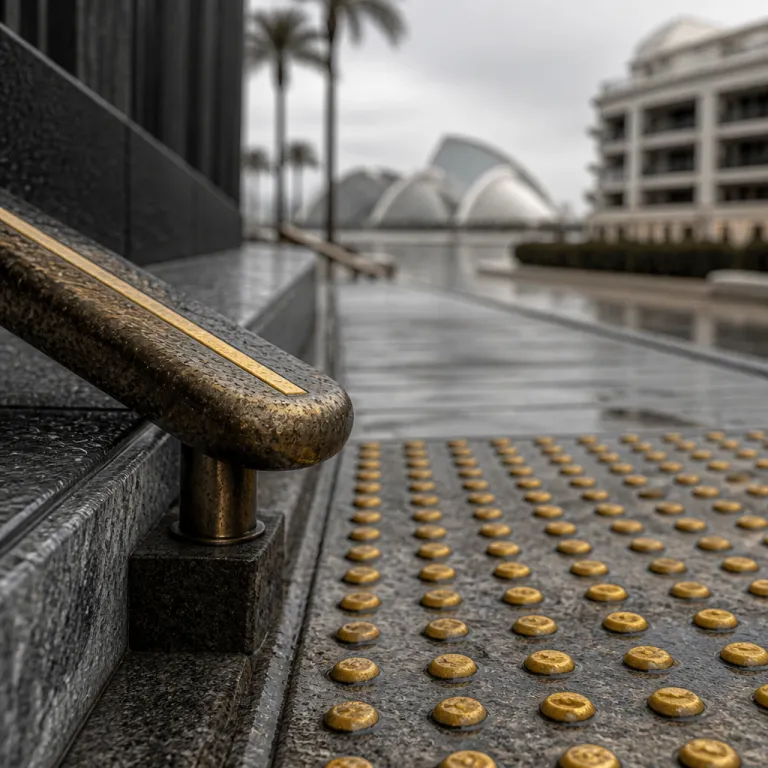
According to municipal transport information, EMT Valencia reports that its entire bus fleet is now accessible, while Metrovalencia has adapted the vast majority of its stations with lifts, tactile paving, and audio visual information. These measures make it realistic for guests using wheelchairs or mobility aids to combine public transport with private transfers, depending on their energy levels and comfort. When the health system and transport authorities coordinate, the result is a city where accessible mobility supports both daily life and high end tourism.
Beaches such as La Malvarrosa and Cabanyal offer accessible walkways, amphibious chairs, and support staff during peak seasons. Luxury hotels can arrange escorted beach visits, ensuring that guests meet the on site teams who manage these services and understand the local safety criteria. This integration of the Valencia accessibility strategy into leisure planning means that a day by the sea can be both indulgent and secure.
Cultural venues, NaviLens, and inclusive city breaks
Valencia’s cultural institutions have embraced accessibility as part of their identity, not just a compliance requirement. Many museums and theatres now provide step free routes, adapted seating, and accessible restrooms, supported by detailed information in the municipal cultural accessibility guide. For luxury travelers, this means that a private guided tour can be tailored to mobility, sensory, or cognitive needs without sacrificing depth or comfort.
The city has also implemented NaviLens codes in key locations, allowing visually impaired visitors to navigate using their smartphones. When hotels integrate these tools into their concierge briefings, the 2020–2026 accessibility programme becomes tangible for guests who might otherwise feel anxious about independent exploration. Staff can provide printed maps, digital links, and early explanations of how the system works, turning technology into a discreet but powerful support.
For travelers seeking elevated leisure experiences, some accessible properties feature rooftop bars, infinity pools, and spa circuits designed with step free access and adapted changing areas. A dedicated guide to accessible rooftop bars and spa circuits in luxury hotels can help you identify which venues align with your expectations. These amenities show how the city’s accessibility plan can coexist with refined design, panoramic views, and attentive service.
Training, structural reforms, and the evolution of Spanish accessible hospitality
Spain’s progress in accessible tourism rests on a combination of structural reforms, training formal programmes, and sustained political will. Within this context, the Valencia disability resources plan for 2020–2026 functions as both a roadmap and a testing ground for new ideas. Valencia’s experience influences how other autonomous communities, from Catalonia to the Canary Islands, refine their own strategies for inclusive hospitality.
Hotels that invest in comprehensive staff training see measurable improvements in guest satisfaction and loyalty. Front line teams learn to provide care that respects autonomy, privacy, and cultural nuances, while back office staff integrate accessibility into procurement, maintenance, and digital communication. This whole system approach aligns with the broader Spanish health systems philosophy, where prevention, early intervention, and social support are as important as clinical treatment.
“EMT buses and Metrovalencia are largely accessible.” This simple statement, drawn from local data and municipal reports, encapsulates how public infrastructure upgrades can transform the travel experience for disabled guests. When combined with hotel level initiatives guided by the 2020–2026 accessibility strategy, these measures create a continuum of accessibility that starts at the airport and extends to the most exclusive venues in the city.
Support development and long term resilience
One of the strengths of the Spanish approach is its emphasis on long term planning and support development rather than short term fixes. Valencia’s accessibility initiatives include mechanisms for early review, community feedback, and periodic article style reports that track progress against clear indicators. This transparency encourages hotels to maintain momentum, even when initial upgrades have been completed.
Cross cutting themes such as gender equality, ageing, and mental health are increasingly integrated into accessibility debates. For luxury hospitality, this means recognising that disabled guests may also be parents, professionals, or carers who need flexible services and family support. By aligning with the 2020–2026 disability resources framework, hotels can anticipate emerging needs and adapt their offerings before gaps become visible problems.
Spanish society benefits when accessible tourism is seen not only as a moral obligation but as a driver of economic resilience and social cohesion. High quality accessible hotels attract international visitors who value both comfort and dignity, reinforcing Spain’s reputation as an inclusive destination. In Valencia, this virtuous cycle is already visible in the growing number of accessible cultural events, adapted tours, and premium properties that treat accessibility as a hallmark of excellence.
Practical booking guidance for travelers using disability resources in Valencia
When planning a luxury stay in Valencia, start by clarifying your specific accessibility needs and preferences. Use booking platforms that present detailed information aligned with the 2020–2026 accessibility plan, including room measurements, bathroom layouts, and photos of key features. This level of detail allows you to apply your own criteria rather than relying on generic labels like “accessible room”.
Before confirming a reservation, contact the hotel directly to review any points that matter most to you. Ask about staff training, links with local health services, and the availability of equipment such as shower chairs, hoists, or adjustable beds. Properties that engage confidently with these questions usually have a solid internal system for managing accessibility, reflecting the broader Spanish strategy national for inclusive tourism.
It is also wise to map your planned activities against the city’s accessibility resources. Check how far the hotel is from accessible EMT bus stops or Metrovalencia stations, and whether step free routes exist between key points. By aligning your itinerary with Valencia’s 2020–2026 disability resources framework, you can reduce fatigue, avoid unnecessary transfers, and keep more energy for the experiences that matter most.
Leveraging local support and social services during your stay
Valencia offers a network of social services, advocacy organisations, and municipal offices that can provide support during your visit. If you encounter barriers or need guidance, contacting the Defensora de las Personas con Discapacidad through official municipal channels can be a valuable step, especially for longer stays. This role exists to represent disabled individuals’ rights and to ensure that public and private actors respect established measures.
For guests planning extended recovery or rehabilitation stays, coordination with the Spanish health system may be necessary. Discuss with your home medical team how local health services in Valencia can complement your existing care plan, particularly if you expect to need follow up appointments or emergency support. Hotels familiar with the 2020–2026 accessibility programme can often facilitate introductions or provide translation assistance for medical visits.
Finally, consider sharing feedback with both the hotel and booking platform after your trip. Detailed reviews that mention what worked well and what could improve help future travelers and support development of better services. Over time, this collective input shapes decision making at municipal and national levels, ensuring that Spain’s accessible luxury hospitality continues to evolve in line with real guest experiences.
Key figures on accessibility and luxury travel in Valencia
- Valencia’s municipal transport data indicate that 100 % of EMT city buses are accessible, meaning they include low floors, ramps, and reserved spaces for wheelchairs, which significantly improves independent mobility for disabled travelers.
- Approximately 97 % of Metrovalencia stations are adapted with lifts, tactile paving, and audio visual information, reducing barriers for guests with mobility or sensory impairments who wish to use the metro network.
- The city’s accessibility initiatives include a multi year timeline with milestones such as the launch of major reforms, publication of a cultural accessibility guide, and an application for the Access City Award, reflecting sustained commitment rather than isolated projects.
- Valencia’s accessibility strategy emphasises four main objectives: improving public transport, enhancing cultural venue access, providing employment resources, and ensuring beach accessibility, all of which directly influence the quality of stay for luxury hotel guests.
- Local authorities report increased use of assistive technologies and growing community involvement in accessibility planning, indicating that the 2020–2026 disability resources plan is supported by both institutional and grassroots engagement.
Frequently asked questions about accessible luxury stays in Valencia
What public transport options are accessible in Valencia for hotel guests?
EMT Valencia operates a fully accessible bus fleet with low floor vehicles, ramps, and designated wheelchair spaces. Metrovalencia has adapted the vast majority of its stations with lifts, tactile paving, and clear audio visual information. Together, these systems allow many disabled travelers to move between luxury hotels, cultural venues, and beaches with relative ease.
Are Valencia’s beaches accessible for travelers staying in luxury hotels?
Several of Valencia’s urban beaches, including La Malvarrosa and Cabanyal, provide accessible walkways, amphibious chairs, and support staff during key periods. Many luxury hotels coordinate transfers and on site assistance so that guests can enjoy these facilities comfortably. It is advisable to ask your concierge to confirm seasonal schedules and any specific services you may require.
How can I find accessible cultural venues near my hotel in Valencia?
The municipal cultural accessibility guide, often referenced under the slogan “Cultura es Vida”, lists museums, theatres, and other venues with detailed accessibility information. Hotel concierges familiar with the 2020–2026 accessibility strategy can help you interpret this guide and plan tailored visits. Combining the guide with NaviLens codes and accessible transport routes creates a coherent, enjoyable cultural itinerary.
Who can I contact in Valencia if I face accessibility issues during my stay?
If you encounter significant barriers or rights concerns, you can contact the Defensora de las Personas con Discapacidad, who represents and defends the rights of disabled individuals in the city. This advocate can be reached through official municipal contact points, including the general city hall line at +34 96 208 28 00, and may help mediate with public or private entities. For urgent practical issues, your hotel’s management and local social services are usually the first points of contact.
Do luxury hotels in Valencia provide support for medical or recovery focused stays?
Many high end properties in Valencia are accustomed to hosting guests who are recovering from surgery or managing chronic conditions. These hotels often maintain links with nearby clinics, rehabilitation centers, and emergency health services, in line with the broader Spanish health system. When booking, explain your needs clearly so the property can confirm whether its facilities and partnerships align with your care plan and comfort expectations.