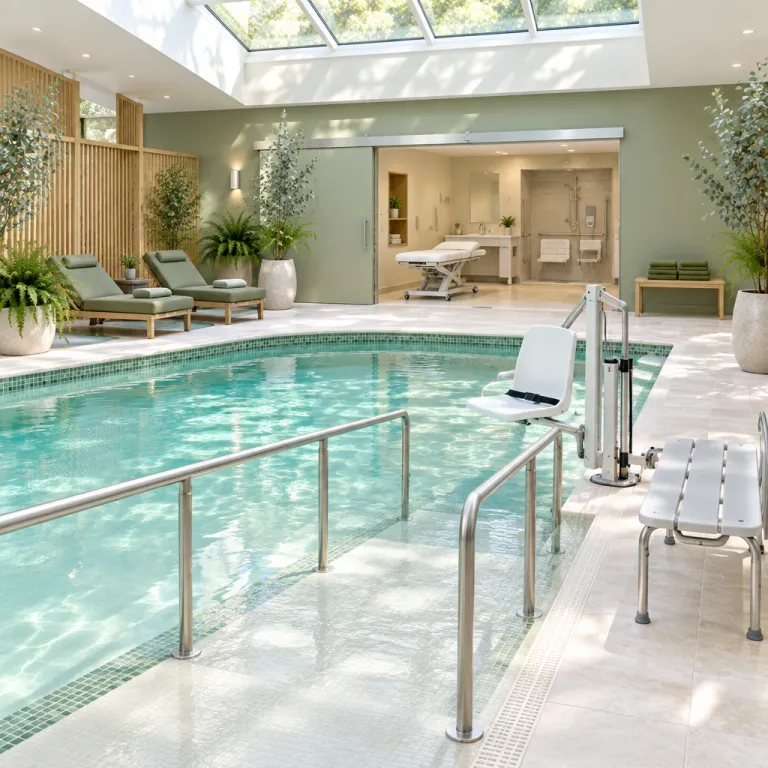
Accessible spa wellness as the missing pillar of luxury travel
Accessible hotel spas are quietly reshaping what premium wellness can mean. A truly inclusive hydrotherapy and wheelchair-friendly spa offer treats disabled guests as full clients, not as exceptions to be managed. The best properties now design every spa experience so wheelchair users, families and non disabled companions share the same calm, the same care, the same sense of ease.
In luxury travel, wellness is no longer just a beautiful pool and a hot sauna hidden in the basement. It is a carefully designed sequence of spaces, treatments and spa facilities where accessibility, dignity and comfort are planned from the first sketch, not retrofitted with a few grab rails at the end. When a hotel spa team understands that hydrotherapy can ease chronic pain, support rehabilitation and offer rare weightless freedom, the entire spa wellness concept changes.
For families booking a spa break, the gap between glossy marketing and real accessibility can still be wide. Many spas highlight a wide range of treatment rooms and thermal suites, yet fail to mention whether any treatment room is wheelchair accessible or whether the steam room has level access. A premium accessible spa is one where the route from your room to the health club, the pool and the treatment area is as thoughtfully accessible as the marble reception, with clear information that aligns with recognised standards such as UK Building Regulations Part M or ADA guidance on step free routes.
Designing spa facilities that work for wheelchair users and families
Thoughtful spa design starts with access, not aromatherapy. For wheelchair users, the difference between a stressful visit and a restorative accessible spa experience often lies in small details such as level access thresholds, wide doors and grab rails that feel like part of the décor rather than hospital equipment. As a practical benchmark, many accessibility audits look for door clear openings of at least 800–850 mm, turning circles close to 1500 mm and smooth transitions between floor finishes to avoid jolts or tipping risks.
Hydrotherapy areas are where accessible hotel spa hydrotherapy wheelchair wellness design must be most precise. A pool with a reliable hoist, graduated ramp or gently sloped beach entry allows disabled guests to enter the water independently or with minimal assistance, while non slip surfaces and clear depth markings support everyone’s safety. Properties that invest in elegant handrails, well positioned seating and accessible facilities in changing rooms show that accessibility can be both practical and visually refined, as explored in this guide to elegant spa steps with handrail for accessible luxury hotel stays.
Thermal suites need the same level of care. A sauna with a narrow doorway or a steam room reached only by steps effectively excludes many disabled guests from the core spa wellness circuit. By contrast, when a spa hotel offers a ground floor thermal zone with level access, wheelchair accessible benches and clear turning circles, the entire family can enjoy the heat experience together without constant negotiation or compromise. Simple measures such as lever handles instead of knobs, visual contrast on bench edges and emergency call buttons at reachable heights can make the difference between theoretical access and genuine usability.
Hydrotherapy pools and thermal circuits that genuinely include disabled guests
Hydrotherapy is often marketed as a universal cure all, yet many hydrotherapy pools remain inaccessible to those who could benefit most. In an accessible hotel spa hydrotherapy wheelchair wellness setting, the water circuit is planned so that wheelchair users can move from pool to sauna to steam room without facing a single unexpected step. That means level access routes, tactile flooring changes instead of sudden ramps and staff who are trained to assist without fuss, ideally following internal protocols based on national accessibility standards and regular manual handling training.
Families should look for spa facilities where the hydrotherapy pool has both a hoist and a gentle ramp, offering choice for different mobility needs. A well designed hotel spa will also provide accessible facilities such as roll in showers, height adjustable benches and grab rails in both individual changing rooms and family changing suites. These details allow disabled parents to manage their own care and their children’s, turning a spa break from a logistical challenge into a shared wellness experience. Where possible, ask whether the hoist has a safe working load clearly displayed and whether the water temperature is monitored to stay within recommended therapeutic ranges.
Luxury properties that treat accessibility as a design language rather than a checklist tend to excel across their wider amenities too. The same mindset that creates accessible spas with inclusive hydrotherapy circuits often extends to rooftop infinity pools, relaxation decks and bar areas, as highlighted in this feature on luxury hotel amenities that should never require compromise. When every pool, terrace and relaxation room is wheelchair accessible, wellness becomes a seamless part of the entire hotel experience rather than a hidden annex, and guests can move from breakfast to treatment to evening drinks without constantly recalculating routes.
What to check before booking an accessible spa hotel stay
Before you commit to a spa break, move beyond the generic “accessible room available” line in the brochure. Ask the hotel spa team specific questions about the route from your room to the spa, including whether all key areas such as the pool, sauna, steam room and treatment rooms have step free, level access. Clarify whether the accessible facilities are on the ground floor or reached by lifts that comfortably accommodate a wheelchair and a companion, and request approximate lift dimensions so you can compare them with your chair size.
Hydrotherapy details matter just as much as bedroom layouts. Request information about pool entry options, including hoists, ramps, handrails and any time limits on their use, and ask whether staff are trained to support disabled guests in and out of the water. Check if there are wheelchair accessible changing rooms with roll in showers, grab rails and non slip floors, and whether the spa wellness circuit can be completed without encountering narrow doors or heavy manual fire doors. If possible, ask for a copy of the hotel’s accessibility statement or a recent access audit so you can verify that the descriptions match your own needs.
Treatment planning deserves the same scrutiny. Confirm that at least one treatment room is fully wheelchair accessible, with an adjustable height bed and enough space for lateral transfers or a mobile hoist if you travel with one. Ask whether therapists have experience working with disabled guests, chronic pain conditions or sensory sensitivities, and do not forget to request extra cushions, towels or positioning aids in advance so your treatment can focus on relaxation rather than improvisation. A short pre arrival questionnaire or consultation call can help the spa tailor timings, pressure and room temperature to your comfort.
Property spotlights: where accessible hotel spa hydrotherapy wheelchair wellness is taken seriously
Some properties are beginning to set a higher bar for accessible spas, even if they are still refining the details. At Chewton Glen in Hampshire, the hotel spa and health club sit at the heart of the property, with a generous pool, thermal areas and treatment rooms that aim to balance luxury with practical accessibility. Publicly available photos and guest feedback highlight step free routes to the main pool, poolside hoist provision and spacious circulation zones, although individual wheelchair users should still confirm measurements and current equipment status directly with the hotel before booking.
Nearby, Careys Manor positions its spa facilities as a sanctuary for both leisure and business guests, with a focus on hydrotherapy and holistic wellness. The spa hotel layout includes ground floor relaxation zones and a range of treatment rooms, and guests report that staff are proactive about explaining which areas offer the easiest level access for wheelchair users. As with any evolving property, details can change with refurbishments, so families who value privacy and predictable access should request up to date floor plans, photos or an accessibility factsheet alongside information about accessible rooms close to the spa.
Across the accessible-stay.com collection, we prioritise hotel spas where accessible facilities are more than a marketing line. Properties that earn a place in our guides tend to offer wheelchair accessible routes to every key wellness area, flexible booking policies that allow free cancellation when access promises are not met and teams who understand that disabled guests are regular clients, not one off exceptions. For planners organising group trips or corporate retreats, this guide to planning accessible luxury stays with reliable event space data shows how the same principles apply when wellness is part of a wider itinerary.
From checkbox accessibility to equal spa experiences for every guest
True accessible hotel spa hydrotherapy wheelchair wellness is about parity of experience, not just physical access. When a spa hotel offers the same range of treatments, thermal rituals and relaxation spaces to disabled and non disabled guests, it signals that everyone’s wellbeing carries equal weight. That shift requires investment in training, equipment and design, but it also builds loyalty among families who return year after year and share detailed feedback that helps refine each element of the spa journey.
For wheelchair users, the most powerful luxury is often the ability to move through a spa without constant negotiation. A hotel that provides clear accessibility information in advance, maintains its spa facilities meticulously and treats grab rails, hoists and level access as standard amenities rather than special requests creates a rare sense of ease. In that environment, disabled guests can focus on the sensory experience of warm water, skilled touch and quiet spaces instead of calculating every transfer and doorway, and can trust that emergency procedures and evacuation plans have considered their needs.
Families planning their next spa break can help accelerate this shift by asking precise questions, praising properties that get it right and calmly challenging those that fall short. When you choose accessible spas that prioritise inclusive design and thoughtful service, you reward the hotels that see disabled guests as valued members of their wellness community. Over time, that collective pressure will turn accessible spa design from a niche concern into a defining hallmark of modern luxury hospitality.
FAQ
What makes a hotel spa genuinely accessible for wheelchair users ?
A genuinely accessible spa offers step free, level access from the bedroom to every key wellness area, including the pool, sauna, steam room and treatment rooms. Doorways are wide enough for a wheelchair, circulation spaces allow easy turning and there are reliable hoists or ramps for pool entry. Accessible changing rooms with roll in showers, grab rails and height adjustable benches complete the picture, and many guests also look for visual contrast on floor edges, reachable emergency alarms and clear, up to date accessibility statements.
How can I check hydrotherapy pool accessibility before I book ?
Contact the hotel spa directly and ask for written details about pool entry options, including whether there is a fixed hoist, portable hoist, ramp or beach style entry. Request photos or a short video of the route from the changing room to the pool, paying attention to any steps, narrow corridors or heavy doors. Clarify whether staff are trained to assist with transfers and whether the equipment is available throughout the day, not only at set times, and ask when the hoist was last serviced or inspected for safety.
Are spa treatments safe for guests with chronic pain or limited mobility ?
Many spa treatments can be adapted safely for guests with chronic pain or limited mobility when therapists have appropriate training and clear information about your condition. Ask whether at least one treatment room has an adjustable height bed and enough space for side transfers or a mobile hoist, and share any specific needs such as shorter sessions or lighter pressure. Always consult your healthcare professional before hydrotherapy or heat based treatments if you have cardiovascular, neurological or inflammatory conditions, and bring any braces, supports or medications you may need immediately after your session.
What should families look for when booking an accessible spa break ?
Families should prioritise properties where accessible rooms are located close to the spa and public areas, reducing travel time and fatigue. Check that the spa offers family friendly swim times, accessible changing spaces large enough for carers and children and clear policies on equipment use such as pool hoists. It is also worth asking whether the restaurant, lounges and outdoor areas share the same level of accessibility so wellness flows naturally through the entire stay, and whether staff can help coordinate timings so treatments, meals and rest periods work with your family’s energy levels.
Can accessible spa facilities still feel luxurious ?
Well designed accessible facilities can be as elegant and refined as any other part of a luxury hotel. When grab rails, ramps and hoists are integrated into the architecture and décor rather than added as afterthoughts, they enhance both safety and aesthetics. Many leading properties now treat inclusive design as a hallmark of modern luxury, proving that accessibility and indulgence belong in the same sentence and that a spa can meet practical needs while still feeling calm, beautiful and restorative.