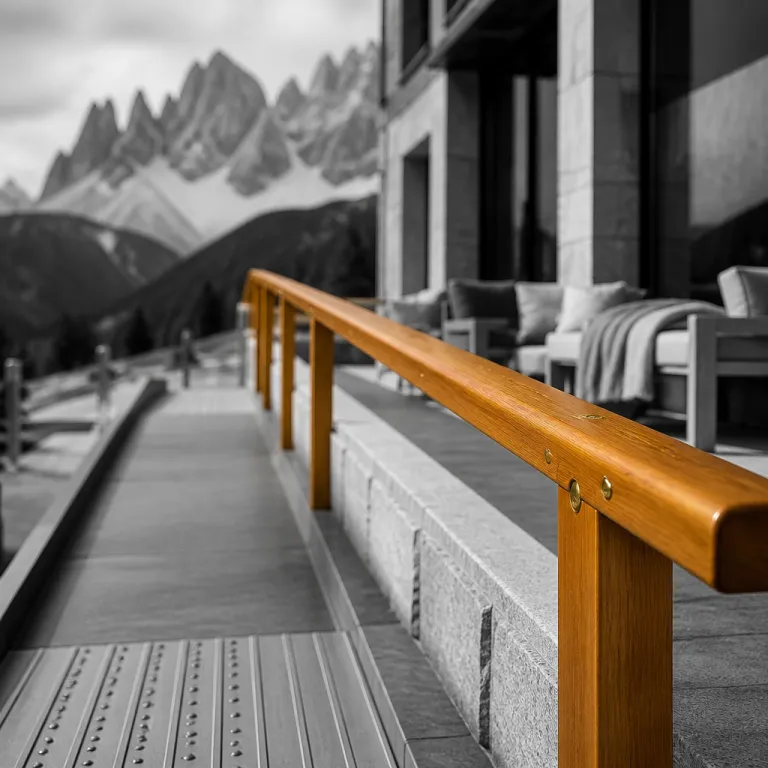
Luxury hotels in the Dolomites for guests who need easy access
Luxury hotels in the Dolomites combine dramatic peaks with refined comfort. For travelers who require easy access, the best properties now treat accessibility as a core part of the guest experience rather than an afterthought. In this alpine area of northern Italy, you can stay in a five star hotel that offers step free routes, adapted rooms, and attentive service without sacrificing style.
The Dolomites in Italy stretch across South Tyrol, Trentino, and Belluno, and each valley offers a different mood. Around Val Gardena and Alpe Siusi, luxury hotels in the Dolomites sit beside gentle hiking trails that suit both wheelchair users and families with strollers, while higher passes cater to advanced ski fans. When you plan your stay in the Dolomites Italy region, focus on how you will move between the hotel, the resort village, and the surrounding area with reliable accessible transport.
Among the best hotels in the Dolomites, Rosa Alpina in San Cassiano (part of the Aman group but operated as Rosa Alpina) stands out for discreet luxury and thoughtful service. Its official accessibility notes confirm step free access to reception and lifts serving most room categories, with several rooms offering walk in showers and grab bars on request. Forestis above Bressanone rises like a sculptural spa resort on Mount Plose, with panoramic views across South Tyrol and a strong focus on wellness; the hotel states that main public areas are reachable via lifts and level corridors. Romantik Hotel Turm in Fiè allo Sciliar and Grand Hotel Miramonti in Cortina d'Ampezzo add historic character, giving you several distinct places to stay in different valleys while maintaining a consistently high star level of comfort.
Iconic Dolomites valleys and how to choose the best accessible hotel
Each major valley in the Dolomites offers a different blend of scenery, culture, and hotel style. Val Gardena is ideal if you want direct access to Dolomiti Superski lifts in winter and well maintained hiking trails in summer, while Alpe Siusi offers wide open meadows that feel calmer and more family friendly. Alta Pusteria, which includes San Candido, suits guests who prefer easy access to lakes, cross country ski routes, and quieter villages.
When comparing luxury hotels in the Dolomites, start with three filters in your mind. First, check whether the hotel provides step free access from parking or transfer drop off to reception and then to your room, because some historic hotels in Cortina Ampezzo or Val Funes still have unavoidable stairs. As a practical benchmark, many accessibility guidelines recommend door widths of at least 80–90 cm and ramps with a gentle gradient, so ask the hotel to confirm these measurements in writing and, if possible, share a simple floor plan of the route.
Second, read the accessibility details for bathrooms, lifts, and spa areas, and if the website does not show clear photos, contact the hotel directly and ask for view details of door widths, grab bars, and shower design. Third, consider the wider resort area and how you will move around once you stay in the Dolomites Italy mountains. In Cortina Ampezzo, for example, Grand Hotel Miramonti places you close to the pedestrian center, but some side streets are steep, so you may prefer hotels Cortina that offer shuttle services with ramp access. If you are used to urban accessibility such as at a refined stay in Shinjuku, you can use that experience as a benchmark when evaluating an alpine hotel in Italy that claims easy access but sits on a slope.
Accessible wellness and spa resort experiences in luxury hotels Dolomites
Wellness is central to many luxury hotels in the Dolomites, and spa design can either welcome or exclude guests with reduced mobility. Forestis on Mount Plose, for instance, integrates its spa resort facilities into a vertical tower layout, so lift access and level flooring become crucial for wheelchair users. When you compare spa hotels in South Tyrol or Alta Pusteria, always read how pools, saunas, and treatment rooms can be reached from accessible rooms without steps.
Most high end hotels in the Dolomites Italy region now understand that a spa must feel inclusive to be truly premium. Ask whether the spa resort offers hoists or pool lifts, benches at different heights, and treatment tables that lower for easy transfers, especially if you travel as a family with different needs. Some properties publish lift dimensions and pool hoist details on request, and a few list direct contacts for an in house accessibility coordinator who can answer technical questions before you arrive; one spa manager in South Tyrol described their role as “translating measurements into peace of mind.”
If you value water experiences, compare the accessible pool features of luxury properties in Val Gardena, Alpe Siusi, and Alta Pusteria before you book. A detailed guide to luxury accessible hotels with pool facilities can help you frame the right questions about ramp gradients, tactile signage, and emergency call systems. Once you find a hotel that treats spa access with the same care as room design, your stay in the Dolomites becomes both restorative and reassuring.
Winter ski access and summer hiking trails for every level of mobility
The Dolomites are famous for winter ski terrain and summer hiking, and both seasons can be rewarding for travelers with different mobility levels. Dolomiti Superski, the vast ski area that links multiple valleys, includes several cable cars and gondolas with level boarding, which helps wheelchair users and families with pushchairs. When you choose between hotels Dolomites wide, check how far the hotel sits from the nearest lift station and whether the route offers easy access in snow.
In winter, some luxury hotels in Val Gardena and Cortina Ampezzo provide private shuttles with space for adaptive ski equipment, which can be essential if you cannot manage steep icy paths. Ask the hotel to read your specific requirements in advance and confirm whether drivers are trained to handle wheelchairs or other mobility devices safely. For guests who prefer to stay in the Dolomites Italy mountains without skiing, many resorts now groom winter walking paths that remain relatively flat and suitable for wheelchairs with wider tires.
During summer, the focus shifts to hiking trails that range from fully paved lakeside paths to rugged high routes. Around Alpe Siusi and Val Funes, you will find some of the Dolomites best gentle trails, where gradients are moderate and viewpoints are close to road access. In Alta Pusteria and near San Candido, several valley floor routes follow rivers with minimal elevation gain, so you can enjoy long scenic walks before returning to your hotel for a spa session or relaxed family dinner.
Designing an accessible family stay across multiple Dolomites areas
Families planning an accessible trip to the Dolomites often want both variety and predictability. One effective strategy is to combine two or three places to stay, such as a spa focused hotel in South Tyrol, a ski oriented property in Val Gardena, and a culture rich base in Cortina Ampezzo. This multi valley approach lets you experience different landscapes while keeping a consistent standard of easy access in each hotel.
When you travel as a family, look for family friendly room categories that offer separate sleeping areas, connecting doors, and accessible bathrooms. Some luxury hotels in the Dolomites Italy region provide suites with roll in showers and lowered wardrobes, but only a subset combine these features with extra beds for children, so you must filter options carefully. A simple checklist for an accessible family room might include a 90 cm clear door opening, a roll in shower with a fold down seat, space to turn a wheelchair beside the bed, and light switches at reachable height. Ask whether the hotel restaurant can adapt menus for dietary needs and whether public spaces such as kids' clubs, lounges, and terraces are step free.
It also helps to think beyond the hotel walls and consider accessible experiences in each area. In Cortina Ampezzo, for example, certain viewpoints along the main valley road offer dramatic panoramas without long walks, while in Val Funes you can reach photogenic churches with relatively short, paved paths. For travelers who appreciate urban breaks, pairing an alpine stay with an accessible neighborhood guide to Paris can create a balanced itinerary that alternates mountain quiet with city energy.
How a premium accessible booking website elevates your Dolomites stay
Choosing the right booking platform can be as important as choosing the right hotel. A luxury and premium booking website dedicated to accessible hotels in the Dolomites should allow you to filter properties by detailed criteria such as roll in showers, lift dimensions, bed heights, and spa access. Instead of vague labels, you should see precise descriptions and clear photos that let you read the space before you commit to a stay.
On a well designed platform, each listing for hotels Dolomites wide will show view details about room layouts, routes from reception to the spa resort, and distances to ski lifts or hiking trailheads. The best websites also highlight whether a hotel in Cortina, Val Gardena, or Alta Pusteria offers accessible parking, step free restaurant entrances, and family friendly services such as baby cots that fit comfortably in adapted rooms. This level of transparency reduces uncertainty and helps you compare luxury hotels in the Dolomites on more than just star ratings or décor.
Trustworthy platforms often collaborate with local tourism boards, luxury travel agencies, and on site concierge teams to verify information. They understand that guests choosing to stay in the Dolomites Italy region with specific mobility needs cannot rely on generic promises, so they prioritize verified data and regular updates. As one expert summary from Dolomiti Superski and regional tourism offices often notes, "Winter for skiing; summer for hiking." and this simple guidance becomes far more powerful when paired with accurate, season specific accessibility details for each hotel and valley.
Key figures on luxury and accessible hotels in the Dolomites
- There are dozens of identified luxury hotels in the Dolomites region; Dolomiticlass.com, for example, lists more than 30 high end properties, which gives travelers a substantial but still curated pool of upscale options to compare for accessibility features.
- Peak seasons for luxury hotel stays in the Dolomites are winter and summer, so booking several months ahead is recommended if you need specific accessible room types that exist in limited numbers.
- The Dolomites span multiple Italian provinces, and the main coordinates often used for the central area are approximately 46.5389° N and 11.6781° E, which helps when planning transfers and estimating travel times between valleys.
- Local tourism strategies increasingly emphasize eco friendly accommodations and wellness focused amenities, which aligns well with accessible spa design and encourages hotels to modernize lifts, ramps, and pool access systems.
FAQ about luxury and accessible hotels in the Dolomites
What is the best time to stay in luxury hotels in the Dolomites ?
Winter is ideal if you want to focus on ski experiences and enjoy snow covered landscapes, while summer suits guests who prefer hiking trails, wildflower meadows, and longer daylight hours. Shoulder seasons can be quieter but some lifts and services may close, so always check resort operating dates before you book. Align your travel dates with your preferred activities and confirm that both the hotel and local transport remain fully operational.
Are luxury hotels in the Dolomites generally family friendly ?
Many high end hotels in the Dolomites Italy region welcome families and offer amenities such as larger rooms, kids' menus, and flexible dining times. However, only a subset combine these family friendly services with fully accessible room layouts, so you should verify both aspects before confirming a stay. Contact the hotel directly to discuss bed configurations, bathroom access, and safe play areas for children.
Do luxury hotels in the Dolomites usually include spa facilities ?
Most luxury hotels in South Tyrol, Val Gardena, and Cortina Ampezzo feature extensive spa areas with pools, saunas, and treatment rooms. Accessibility varies, so ask about lift access, step free routes, and any equipment such as pool hoists if you have reduced mobility. A hotel that treats spa access as seriously as room access will usually provide a more seamless overall experience.
How far in advance should I book an accessible room in the Dolomites ?
Accessible rooms in luxury hotels are often limited in number, especially in historic properties where only some layouts can be adapted. For peak winter ski weeks and popular summer hiking periods, booking three to six months ahead is prudent. Early contact also gives the hotel time to arrange any extra equipment or services you may require.
Which Dolomites valleys are best for guests who prefer gentle terrain ?
Alpe Siusi, Val Funes, and parts of Alta Pusteria offer some of the gentlest walking routes and valley floor paths. These areas combine impressive scenery with relatively moderate gradients, which can suit wheelchair users, older travelers, and families with young children. When you review hotels in these valleys, ask specifically about nearby paved paths and accessible viewpoints.