Luxe Turkey reimagined for accessible luxury travelers
Luxe Turkey now means refined comfort that more travelers can realistically enjoy, including guests with mobility, sensory, or cognitive disabilities. In a country where high-end tourism is booming—Turkey welcomed over 56 million visitors in 2023 according to the Ministry of Culture and Tourism—inclusive hotel design is finally catching up and reshaping every stay from airport arrival to late night room service. For travelers comparing product details online, the most sophisticated booking platforms now highlight accessibility with the same precision once reserved only for spa menus or butler service.
Across Turkey, a new generation of premium properties treats accessibility as a core part of the guest journey rather than an optional extra. These hotels in Istanbul Turkey, Bodrum, Cappadocia, and Antalya integrate step free routes, adapted rooms, and sensory friendly spaces into their overall concept, following international benchmarks such as the ADA and EN 301 549, so guests can focus on culture and adventure instead of logistics. When you plan your journey, look for a booking website that can provide verified accessibility information for each hotel, from bathroom layout to the exact height of the bath and the width of the entrance door, ideally backed by on site audits or third party inspections.
Specialist partners such as Sightseeist, Luxury Istanbul, and GooTurkey DMC design luxury travel itineraries that align with these new standards of refined Turkish hospitality. Their équipes combine private transfers, accessible guided tours, and carefully vetted hotels to create an unforgettable blend of discovery that respects individual needs. As the Turkish Ministry of Culture and Tourism reports steady growth in high spending visitors each year, and global research from the European Network for Accessible Tourism estimates the accessible travel market at hundreds of billions of dollars annually, the most forward thinking platforms now compete on exceptional service for disabled and reduced mobility guests as much as on rooftop pools or hammam rituals.
Accessible luxury in Istanbul Turkey and along the coasts
Istanbul remains the beating heart of luxe Turkey, especially for travelers who want history, culture, and modern design in one stay. Many premium hotels near the Bosphorus now feature roll in showers instead of a traditional raised bath, wider corridors, and visual alarms, making the city more welcoming for traveling solo guests and multigenerational families. When you browse a luxury and premium booking website, filter for accessible rooms and then read the product details carefully to confirm that the promised features match your personal requirements, such as shower seat availability or the presence of tactile signage.
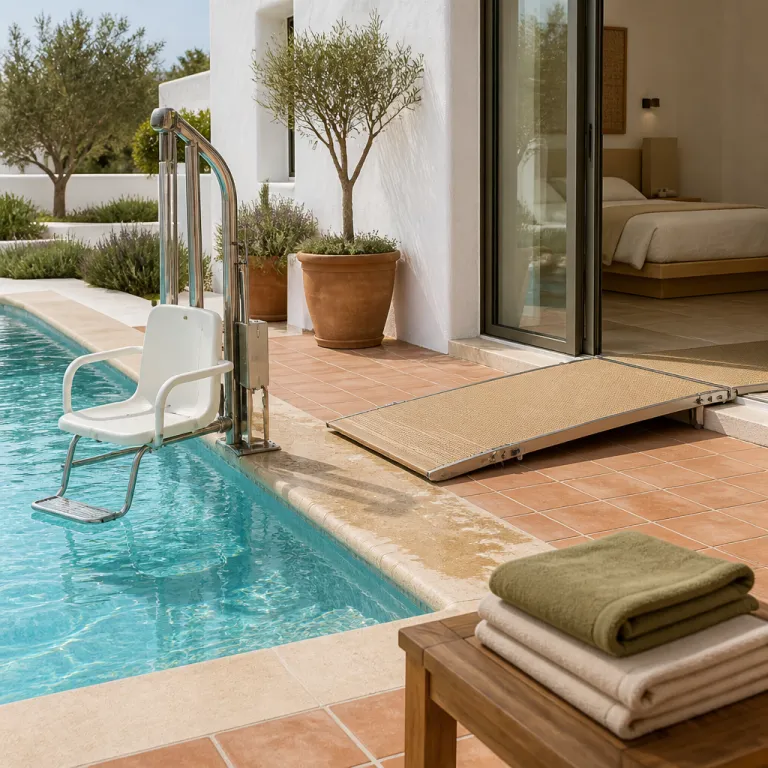
For travelers comparing destinations Istanbul versus the Turquoise Coast, the choice often comes down to whether you prefer urban energy or resort calm. Accessible suites in Istanbul Turkey place you close to tram lines, level entrance museums, and adapted cruises on private yachts, while coastal resorts near Bodrum or Antalya offer gentle ramps into pools and beach wheelchairs for summer days by the sea. A sophisticated platform should provide clear photos of each accessible room, including the bed height, the space around the bed for a wheelchair, and the position of grab bars near the toilet and bath, ideally accompanied by structured data such as door width, turning radius, and shower dimensions.
Many readers who value privacy also look at accessible villas, and lessons from destinations like Miami show how luxury and accessibility can coexist in high end rentals. If you are considering a villa rather than a hotel, resources such as this guide to luxury, privacy, and accessibility in villa rentals can help you evaluate similar standards when booking in Turkey. One wheelchair user who recently stayed in a coastal villa described the experience as “the first time I could enjoy a sea view terrace without worrying about a single step,” a reminder that the essence of luxe Turkey is the same; exceptional service, thoughtful design, and a calm, private base for every travel experience.
From hammam rituals to room amenities: accessibility in every detail
One of the great pleasures of luxe Turkey is the hammam, where ancient bath traditions meet contemporary spa design. Accessible luxury now means ensuring that these spaces can welcome wheelchair users and guests with limited mobility, with ramps, non slip floors, and adapted changing cabins near the steam rooms. When you review product details on a booking website, look for clear notes on whether the spa and Turkish bath are step free or only reachable by stairs, and whether there are grab rails, shower chairs, and staff trained in safe transfer techniques.
Inside the room, thoughtful amenities can transform a good stay into an unforgettable one for travelers with specific needs. High quality textiles such as a generously sized bath sheet or a soft bath towel with a color dark enough to help visually impaired guests distinguish it from white tiles may seem minor, yet they contribute to a calmer, safer experience. Many luxury hotels in Turkey now provide contrasting color schemes in bathrooms, lever style taps that are easier to operate, and emergency pull cords positioned close to the bath or shower seat, often installed at a reachable height of around 80–100 cm from the floor.
Accessible luxury also extends to everyday rituals, from morning coffee to evening turndown service. A well trained team will ask about your preferences at check in and then provide subtle adjustments, such as placing the bath towel within easy reach or ensuring that the wardrobe rail is at a usable height. One Istanbul concierge recalls a guest who requested that minibar items be moved to a lower shelf and the coffee machine placed on the desk instead of a high cabinet; small changes like these can echo the curated stays in other destinations, such as those highlighted in this guide to selecting the best area for a luxury trip, and show how accessibility is woven into every design choice.
How specialist luxury travel agencies elevate accessible stays
Behind many seamless accessible trips in Turkey stands a specialist luxury travel agency with deep local knowledge. Companies such as Sightseeist, Lupin Travel, Luxury Istanbul, GooTurkey DMC, Meridian Tours, Arivelle Travel, and TurkDMC coordinate private transfers, adapted vehicles, and vetted guides who understand mobility, sensory, and cognitive needs. Their expertise turns a complex travel experience into a relaxed journey where you can focus on color, culture, and cuisine instead of ramps and elevator dimensions, often supported by 24/7 on call assistance for last minute adjustments.
These agencies treat luxe Turkey as a holistic concept that spans hotels, restaurants, and curated excursions. When you request an itinerary, their équipe will ask detailed questions about your mobility aids, preferred room layout, and energy levels across different days, then provide options that match both your style and your access requirements. Many itineraries include accessible visits that explore ancient sites such as Ephesus or the Hippodrome, where guides know which entrances are step free and how to blend adventure with realistic pacing, for example by combining shorter walking segments with vehicle based viewpoints.
One recurring theme in conversations with these experts is the value of early planning and transparent communication. As one agency explains in its guidance for new clients: "Book in advance for exclusive experiences. Communicate preferences clearly. Consider off-peak seasons for fewer crowds." When you combine that advice with a booking website that offers verified accessibility data, including labels such as “independently audited” or “owner self-certified,” luxe Turkey becomes a destination where exceptional service and inclusive design work together for every type of traveler.
Digital booking platforms and the new standard for accessible luxe Turkey
The most advanced luxury and premium booking websites now treat accessibility as a core filter, not a hidden checkbox. For travelers planning a trip to Turkey, this shift means you can compare hotels in Istanbul, Cappadocia, and the coast based on both style and specific access features. A credible platform will provide structured product details for each hotel, including room measurements, bathroom layouts, and whether staff are trained to assist guests with mobility or sensory disabilities, often presented in standardized fields such as door width, bed clearance, and lift dimensions.
Accessible travelers represent a significant, often overlooked segment of luxury travel, and ignoring their needs is increasingly seen as a missed commercial opportunity. Industry analysis such as this report on the global accessible travel blind spot shows how much revenue hotels risk losing when they treat accessibility as an afterthought. In Turkey, where luxury tourism already attracts large numbers of high spending visitors, platforms that highlight accessible luxe Turkey are well positioned to capture loyal, repeat guests by clearly labeling verified accessible rooms, suites, and villas.
For travelers, the practical question is how to evaluate a platform’s reliability before you book. Look for clear language about accessibility audits, photos that show the actual accessible room you will receive, and contact options for speaking with a trained team member who can provide precise answers. When a website demonstrates this level of attention to detail and offers transparent, structured accessibility data, you can plan your journey with confidence, whether you are traveling solo, with a partner, or as part of a multigenerational family group.
Designing inclusive adventures: from Istanbul streets to ancient sites
Luxe Turkey is not only about the hotel room; it is about how easily you can move through the city streets, archaeological sites, and coastal promenades. Istanbul offers an intense blend of adventure where tram lines, ferries, and historic alleys intersect, and accessible planning makes the difference between frustration and freedom. When you work with a specialist agency or a knowledgeable hotel concierge, they can provide route suggestions that avoid steep cobblestones and highlight level entrances to major attractions, as well as information on accessible public transport stops and lift locations.
Many travelers come to Turkey to explore ancient history, from the mosques and palaces of Istanbul to the ruins of Ephesus and the rock formations of Cappadocia. While not every ancient site is fully accessible, progress is steady, and guides who understand both history, culture, and access needs can craft routes that minimize barriers while preserving the sense of adventure. Your team will often arrange private transport with ramps or lifts, schedule visits at quieter times of day, and build in rest breaks so that the journey remains enjoyable rather than exhausting, especially in hot summer months.
Some luxury travelers compare Turkey with other adventure rich destinations such as Costa Rica, where rainforests and beaches offer different accessibility challenges. The key lesson from both places is that inclusive design and thoughtful planning can turn rugged landscapes into unforgettable experiences for a wide range of abilities. When you choose partners who respect your limits and your ambitions, and who use concrete tools such as step counts, gradient estimates, and verified accessible vehicle specs, luxe Turkey becomes a destination where every day offers color, culture, and the quiet confidence that your needs have been anticipated.
Key figures shaping accessible luxury travel in Turkey
- The Turkish Ministry of Culture and Tourism highlights sustained growth in higher spending visitors to Turkey, a scale that pushes hotels and agencies to refine their accessible offerings for a growing high value audience and to align with global accessibility standards.
- Industry observers estimate that luxury guests typically spend several times more per trip than mass market tourists, which means that even a modest increase in accessible rooms and services can generate substantial additional revenue for hotels and travel providers, especially when supported by repeat visits.
- Specialist agencies such as Sightseeist have been crafting bespoke luxury tours in Turkey since the early nineties, giving them decades of operational experience in coordinating private, accessible journeys across the country and building trusted local supplier networks.
- The rise of personalized itineraries and private guided tours reflects a broader trend in luxury travel, where guests expect exceptional service tailored to their specific mobility, sensory, and comfort needs, supported by transparent, structured accessibility information at the booking stage.
FAQ: accessible luxe Turkey for discerning travelers
What are the most popular luxury destinations in Turkey for accessible stays ?
Istanbul, Cappadocia, Bodrum, and Antalya are the leading luxury destinations in Turkey, and each now offers a growing selection of accessible hotels and experiences. Istanbul Turkey is ideal for travelers who want culture and urban energy, while Bodrum and Antalya provide resort style relaxation with adapted pools and beach access. Cappadocia appeals to those who value dramatic landscapes, and specialist agencies can advise which caves, viewpoints, and activities are realistic for your mobility level, including whether adapted vehicles or alternative viewpoints are available.
How can I book an accessible luxury tour or hotel in Turkey ?
The most reliable approach is to combine a detailed booking website with the expertise of a specialist agency. You can contact companies such as Sightseeist, Lupin Travel, Luxury Istanbul, GooTurkey DMC, Meridian Tours, Arivelle Travel, or TurkDMC, then share your access needs and preferred style of luxe Turkey. They will coordinate hotels, private transfers, and guided excursions, while the booking platform provides transparent product details and reservation management, including structured accessibility fields and verified room descriptions.
What services do luxury travel agencies in Turkey provide for disabled travelers ?
Specialist agencies design personalized itineraries that include accessible hotels, adapted vehicles, and guides trained to support guests with mobility, sensory, or cognitive disabilities. They arrange private airport transfers with ramps or lifts, verify room layouts and bathroom features, and schedule visits to explore ancient sites using the most accessible routes. Many also offer 24 hour support during your trip, so you can adjust plans if your energy levels or comfort needs change, and can help source equipment such as hoists, shower chairs, or mobility scooters.
How far in advance should I plan an accessible luxury trip to Turkey ?
Accessible rooms and adapted vehicles are limited, so planning several months ahead is strongly recommended, especially for peak summer dates in Istanbul and coastal resorts. Early booking gives your team more time to secure the right hotel room, confirm private transfers, and coordinate any equipment rentals you may need. It also allows agencies to build in realistic pacing across your days, ensuring that your travel experience remains comfortable and enjoyable while still feeling indulgent.
Are traditional Turkish baths and spas accessible for wheelchair users ?
Accessibility in Turkish baths varies widely, so you should never assume that a spa is step free without confirmation. Some luxury hotels in Turkey have designed modern hammams with ramps, wide doors, and adapted changing rooms, while others still rely on stairs and narrow corridors. Always ask the hotel or agency for recent photos and precise details about access to the bath area, including whether staff can safely assist with transfers if needed and whether there are emergency call systems within reach of the benches or massage tables.