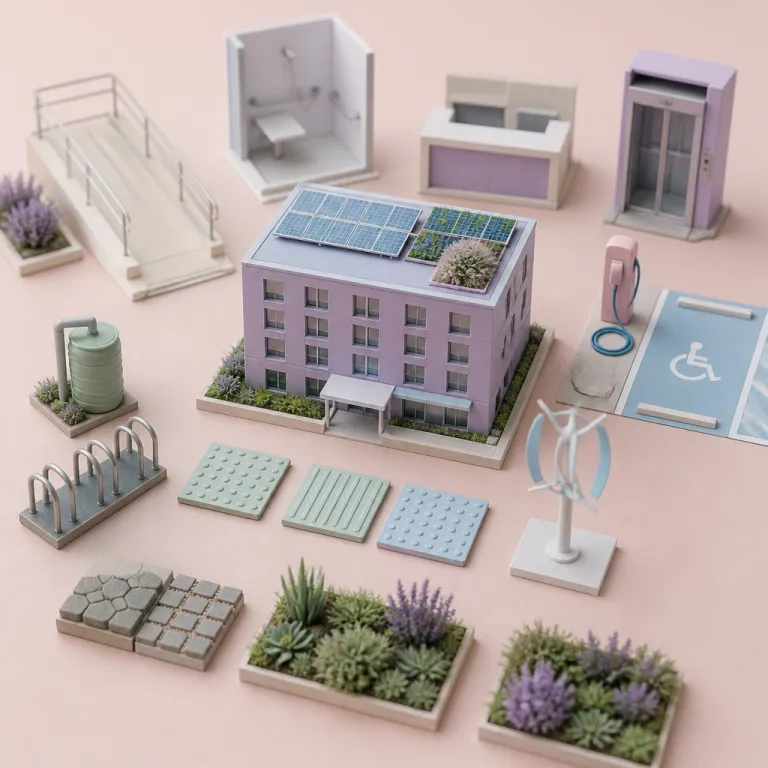
Why sustainable accessible hotel universal design now defines true luxury
Luxury hospitality is shifting toward a sustainable accessible hotel universal design mindset. High end properties increasingly understand that the same thoughtful design which cuts carbon also removes barriers for guests with disabilities. For business leisure travellers, this means you can expect refined service, low impact operations and genuinely accessible spaces in one stay.
At the top of the market, design teams now treat accessibility as a core part of the design process rather than a late compliance fix. Architects, developers and sustainability consultants work together on design concepts that integrate renewable energy systems, inclusive design features and sensory friendly materials from the first sketch. This approach creates inclusive environments where wheelchair users, older people and guests with temporary disabilities move through the built environment with the same ease as any other traveller.
Universal design is the framework that links these ambitions into one coherent strategy. When hotels apply universal design and inclusive design principles rigorously, they reduce disability discrimination while also improving human performance for a wide range of guests. The result is inclusive hospitality that feels effortless, where barrier free circulation, ground level access and intuitive wayfinding are as integral as solar panels and energy efficient façades.
From solar panels to roll in showers: how leading hotels align energy and access
Some of the most compelling examples of sustainable accessible hotel universal design come from properties planned as green and accessible from day one. Hotel Marcel in New Haven, a Hilton property, produces around 575 000 kWh of solar energy annually, which allows the hotel to cover a significant share of its electricity needs with on site renewable power. At the same time, its wide corridors, automatic door systems and ground level entrances show how the built environment can support both energy efficiency and accessibility.
In Los Angeles, 1 Hotel West Hollywood pairs reclaimed wood and recycled metal finishes with a layout that respects inclusive design and accessibility best practices. Public spaces use wide circulation routes, level thresholds and clear sightlines, which help wheelchair users, people with sensory disabilities and business guests rushing between meetings equally. Guest rooms with a roll in shower, an accessible toilet positioned for lateral transfers and lever style fittings show how eco friendly products can also be friendly to hands with limited grip strength.
For travellers who prioritise both sustainability and inclusive hospitality, this dual focus is becoming a key booking filter. When you evaluate a property like the RR Hotel in Reykjavík, which is profiled as an example of accessible luxury in a Nordic capital, you can look for the same pattern. Ask whether the hotel uses renewable energy contracts, low carbon materials and water saving fixtures while also offering barrier free access, sensory friendly lighting and staff trained to avoid disability discrimination in service interactions.
Ground up universal design: where net zero ambitions meet inclusive hospitality
Hotels that start with a sustainable accessible hotel universal design brief achieve deeper change than those retrofitting later. Hotel aquaTurm in Radolfzell, a zero energy high rise, reports energy savings of about 31 % compared with standard hotels, thanks to its highly efficient envelope and renewable systems. Because the property was reimagined from the ground up, its design process could integrate barrier free circulation, wide doorways and accessible toilets without compromising the building’s performance.
Net zero hotels aim to produce as much energy as they consume, often through solar panels, heat recovery and other low carbon technologies. When these systems are planned alongside universal design and inclusive environments, the result is a built environment that supports social participation for people with disabilities while also protecting the environment. Corridors sized for wheelchair users, ground level entrances without steps and automatic door operators can be aligned with daylight optimisation, natural ventilation and high performance insulation.
For travellers choosing between sustainable accessible hotels, it helps to understand how universal design can reduce long term retrofit costs. A property that invests early in inclusive design concepts, sensory friendly materials and flexible spaces will rarely need expensive structural changes later to meet new accessibility or energy codes. Case studies of accessible eco lodges, such as those highlighted in this guide to sustainable stays where green design and inclusion align, show that combining inclusive hospitality with renewable energy is not a niche experiment but an emerging standard.
Material choices, sensory comfort and the realities of human performance
Material selection is where sustainable accessible hotel universal design becomes tangible for guests. Reclaimed wood, bamboo and recycled metal reduce environmental impact while creating smoother, more navigable surfaces for wheelchair users and people with mobility disabilities. When these materials are finished with low glare coatings and non slip textures, they support human performance for a wide range of guests, from older travellers to executives arriving after a long flight.
Inclusive design also extends to acoustic and visual comfort, which are crucial for sensory friendly stays. Soft finishes, acoustic panels and thoughtful zoning reduce background noise, helping guests with hearing aids or sensory processing disabilities feel at ease in public spaces. Lighting design that avoids harsh contrasts, flicker and unnecessary blue light supports people with low vision, migraines or neurodivergent conditions, while also cutting energy use through efficient LED systems and smart controls.
Bathrooms are another area where eco friendly products and accessibility can reinforce each other. A roll in shower with a level entry, a fold down seat and thermostatic controls reduces water waste by stabilising temperature quickly while also serving guests with disabilities safely. Pairing an accessible toilet with dual flush systems, grab bars made from recycled metal and an automatic door that closes gently can create inclusive environments that respect both the environment and the dignity of people with disabilities.
Certifications, data and what they really tell you about a stay
Many luxury properties now highlight sustainability certifications, yet travellers seeking a sustainable accessible hotel universal design experience need to read these labels carefully. LEED, BREEAM and Green Key focus strongly on energy, water and materials, but they do not always guarantee comprehensive accessibility. When a hotel claims to be a net zero property, remember that “A hotel that produces as much energy as it consumes, often using renewable sources.” still needs to show how its spaces work for guests with disabilities.
Universal design frameworks complement these environmental labels by focusing on inclusive hospitality and social participation. When you review a property’s website or pre arrival information, look for explicit references to universal design, inclusive design and barrier free circulation rather than vague mentions of being accessible. Detailed floor plans, measurements of door widths, information about ground level entrances and confirmation of features such as an accessible toilet on every public floor indicate that the design process has considered a wide range of human performance needs.
Specialist platforms now help travellers verify both sustainability and accessibility claims at scale. Accessible Stay, for example, has profiled the British platform Welcome, which aims to professionalise hotel accessibility data collection, as explained in this analysis of a new standard for hotel accessibility information. When you combine such verified accessibility data with information about renewable energy use, waste reduction and eco certified products, you can make confident choices that align with both your values and your practical needs.
How to read a hotel page like an accessibility and sustainability insider
When you evaluate a property for a sustainable accessible hotel universal design stay, start with the basics. Check whether the hotel publishes clear information about step free routes from arrival to reception, rooms and restaurants, including whether all key facilities sit at ground level or are reachable by lift. Look for mentions of automatic door systems, wide corridors and barrier free bathrooms, which together indicate that wheelchair users and people with mobility disabilities can navigate independently.
Next, scan for details that show the hotel understands inclusive hospitality as more than a legal requirement. References to staff training on disability discrimination, sensory friendly room options and flexible check in procedures for guests with support needs suggest a culture of creating inclusive experiences. When a property explains how it designed spaces for a wide range of people, including those with visual, hearing or cognitive disabilities, you can expect more consistent service on arrival.
Finally, align these accessibility signals with the hotel’s environmental narrative. Statements about on site solar panels, low carbon concrete, composting programmes and eco certified products should sit alongside information about universal design, inclusive environments and best practices for accessibility. When a property offers both renewable energy credentials and detailed accessibility features, it is far more likely to deliver the seamless, low stress stay that business leisure travellers with disabilities, or travelling with people with disabilities, rightly expect.
Key figures on sustainable accessible hotels and universal design
- Hotel Marcel in New Haven generates about 575 000 kWh of solar energy annually, which significantly reduces its reliance on grid electricity while supporting a universal design led guest experience (Hotel Marcel sustainability data).
- Hotel aquaTurm in Radolfzell reports energy savings of approximately 31 % compared with standard hotels, showing how zero energy design can coexist with barrier free circulation and accessible facilities (Hotel aquaTurm energy data).
- Industry trend analyses highlight a steady rise in eco friendly hotels worldwide, with a parallel increase in properties investing in accessibility upgrades, indicating that sustainability and accessibility investments are converging in the premium segment.
- Universal design guidelines from specialist studios emphasise that integrating accessibility from the earliest design phase typically costs less than 1 % of total construction budgets, while late retrofits can reach several times that share, underlining the economic case for planning inclusive environments upfront.
FAQ about sustainable accessible hotels and universal design
What is a net zero hotel and why does it matter for accessibility ?
A net zero hotel is defined as “A hotel that produces as much energy as it consumes, often using renewable sources.”. For guests with disabilities, these properties often feature newer buildings or deep renovations, which makes it easier to integrate universal design, ground level access and barrier free circulation from the start. When you see a net zero claim, always check whether the same investment has been made in accessible rooms, automatic doors and inclusive public spaces.
What is universal design in hotels ?
The concept is captured in the statement “What is universal design in hotels? Designing hotel facilities to be accessible to all, regardless of ability.”. In practice, this means wide corridors, step free routes, accessible toilets, roll in showers and intuitive controls that work for a wide range of human performance levels. Universal design benefits wheelchair users, older guests, families with strollers and travellers carrying heavy luggage equally.
How do hotels achieve sustainability without compromising accessibility ?
The answer begins with the principle “How do hotels achieve sustainability? By using renewable energy, reducing waste, and implementing eco-friendly practices.”. When architects integrate inclusive design concepts at the same time, they can specify eco friendly products that also support accessibility, such as low energy lighting with good colour rendering, non slip recycled flooring and water saving yet easy to operate fixtures. The key is a unified design process where environmental and accessibility goals are treated as one brief.
Which accessibility features should I prioritise when booking a sustainable stay ?
Focus on step free access from arrival to room, including ramps or lifts, automatic doors and clear signage. In the room, prioritise a roll in shower with a seat, an accessible toilet with grab bars, enough turning space for wheelchair users and reachable controls for lighting and climate. If you have sensory or cognitive disabilities, ask about sensory friendly rooms, visual alarms and staff training on inclusive hospitality.
Do sustainability certifications guarantee that a hotel is accessible ?
Environmental certifications such as LEED, BREEAM or Green Key primarily assess energy, water, materials and operational practices. Some schemes include limited accessibility criteria, but they rarely cover the full spectrum of universal design or inclusive environments. For a truly sustainable accessible hotel universal design experience, you should combine certification data with detailed accessibility information from the hotel or from specialist platforms that audit both aspects.