Accessible innovation showcase at the Schoolhouse Hotel in White Sulphur Springs
The Accessible Innovation Showcase at the Schoolhouse Hotel in White Sulphur Springs positioned a former schoolhouse as a working blueprint for future hotel accessibility. Over two days, the event gathered around 200 guests, exhibitors and hospitality leaders to examine how accessible innovation can be embedded into the built environment rather than added as an afterthought. For travelers with disabilities planning premium travel, this was less a conference and more a live test of what inclusive travel could feel like when disability driven design leads every decision.
The Disability Opportunity Fund, a nonprofit focused on disability opportunity and inclusive finance, curated the innovation showcase as a focused hospitality event rather than a generic tech fair. Its Accessible Innovation Showcase brought 15 companies into the same accessible lab style setting, using the operational hotel as a real time accessibility lab for testing. As organizer, the Opportunity Fund framed the Schoolhouse Hotel as proof that driven innovation in a small West Virginia town can influence global hotel accessibility standards.
The venue matters here ; the Schoolhouse Hotel in white painted brick stands in White Sulphur Springs, a compact springs west community already known for destination travel. Marketed as the world’s first fully accessible schoolhouse hotel, it was designed so every guest room, corridor and public space is accessible, not just a handful of adapted units. For travelers disabilities communities, that level of inclusive design signals a shift from basic accessibility to disability driven hospitality where every guest, disabled or not, experiences the same level of service.
The Accessibility Lab inside the hotel operates as a permanent lab environment where startups can trial hardware and software with real guests. This accessibility lab turns the property into a living research site, allowing teams to refine inclusive design in the built environment while the hotel opens to paying travelers. For a luxury and premium booking website focused on inclusive travel, this kind of lab backed property offers verifiable hotel accessibility rather than marketing promises.
The Disability Opportunity Fund and its partners such as Samaritan Partners and TravelAbility used the event to underline a simple point. As Disability Opportunity Fund CEO Charlie Hammerman stated during the Accessible Innovation Showcase, "The Accessible Innovation Showcase is about more than technology — it is about proving that inclusive design benefits everyone". That message resonated with travelers, investors and operators who see disability opportunity not as a niche, but as a core driver of hospitality innovation.
From smart wheelchairs to door hinges: what the accessibility lab tested in real time
Inside the Schoolhouse Hotel, the accessibility lab turned corridors, lifts and guest rooms into a controlled test track for assistive technology. LUCI Mobility’s smart wheelchair technology interacted with the hotel’s white walls, door frames and elevators, showing how sensors handle tight turns and varied lighting in a real hotel. For travelers with disabilities who rely on power chairs, seeing smart wheelchairs navigate an operational property in West Virginia offered concrete reassurance that inclusive travel can be both safe and elegant.
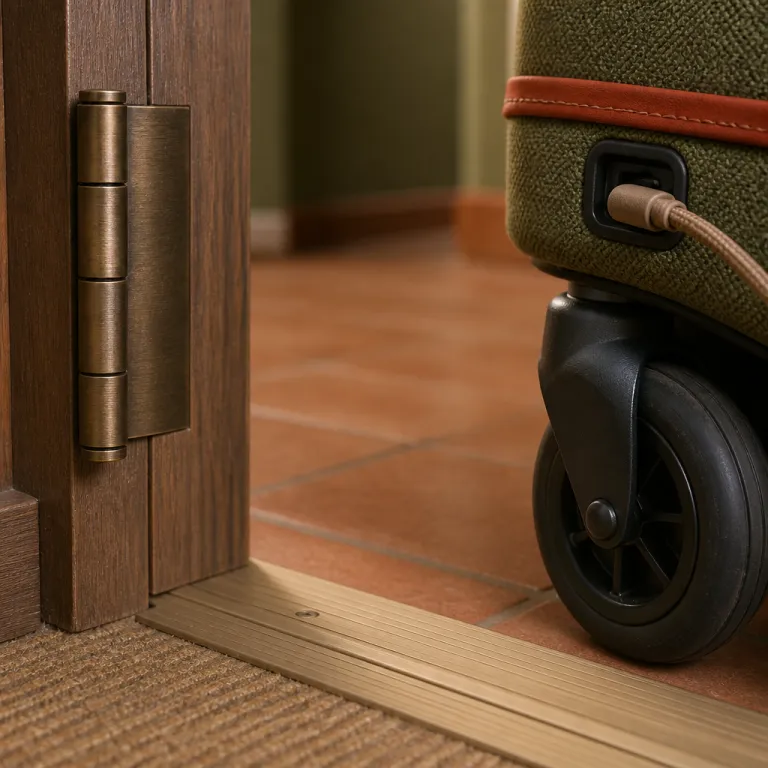
We Hear You focused on accessible door hinges, demonstrating how a small piece of hardware can transform hotel accessibility when scaled across every guest room. Their accessible innovation hinges reduce opening force and improve sound control, which benefits guests with disabilities and light sleeping business travelers equally. In the context of a premium hotel, this kind of driven innovation proves that disability driven design can also elevate perceived luxury for every guest.
Wayfinding specialist Right Hear used the schoolhouse corridors as a live lab to test audio navigation for blind and low vision travelers. By mapping the white painted stairwells, lifts and public spaces, the team showed how inclusive design in the built environment can extend beyond ramps to precise orientation cues. For booking platforms that promise inclusive travel, such tested wayfinding systems become a tangible filter when recommending one hotel over another.
Si-Huis presented accessible lighting concepts, using guest rooms and meeting spaces as a showcase for adjustable, low glare illumination. Their work inside the Schoolhouse Hotel highlighted how lighting can reduce sensory overload for some guests with disabilities while still meeting the expectations of design conscious travelers. This aligns with emerging standards such as the global accessibility certification frameworks highlighted in resources like which hotels are genuinely accessible, where measurable hotel accessibility is becoming a booking criterion.
Wheel the World, a specialist in accessible tourism, used the innovation showcase to connect its data rich travel platform with the physical reality of the schoolhouse hotel. By documenting room dimensions, bed heights and bathroom layouts in metres and centimetres, the team translated the accessibility lab findings into bookable content for travelers disabilities communities. For a luxury and premium booking website, this level of granular accessibility data is what turns an inspiring event into a reliable hotel listing that travelers can trust.
Why this innovation showcase matters for future inclusive travel booking
Beyond the technology demonstrations, the Accessible Innovation Showcase at the Schoolhouse Hotel raised strategic questions for hotel groups and booking platforms. Should operators rely on bolt on fixes, or invest in disability driven, inclusive design that is integrated from the first sketch of the built environment. For travelers planning high end travel, the answer determines whether a hotel feels genuinely accessible or merely compliant.
Partners such as Samaritan Partners and advisors like Bob Ludke, working alongside the Disability Opportunity Fund, framed the event as a catalyst for capital flows into accessibility. The Opportunity Fund and its disability opportunity focus signal that accessible innovation is now seen as a long term hospitality investment, not a short term cost. For booking platforms, aligning with such funds can create a curated portfolio of properties where driven innovation and hotel accessibility are independently validated.
White Sulphur Springs, often shortened locally to white sulphur, may seem an unlikely epicentre for global inclusive travel trends. Yet the schoolhouse hotel and its accessibility lab show how a small springs west community can set benchmarks that major city properties still struggle to meet. Analysts at TravelAbility, whose long term industry warnings are explored in depth in the accessible travel industry is not ready, argue that such early adopters will define guest expectations for the next decade.
For travelers with disabilities booking through a luxury and premium website, the lesson is clear. Prioritise hotels where inclusive design is visible in everything from smart wheelchairs compatibility to accessible door hinges, rather than relying on a single accessibility icon. Resources such as accessibility verified travel networks, outlined in guides like accessibility verified travel networks, will increasingly highlight properties that mirror the Schoolhouse Hotel model.
Names like Chris Maher and Chris Maher’s local peers in White Sulphur Springs surfaced during the event as examples of operators willing to tie brand reputation to accessibility outcomes. Their work with Samaritan Partners, Bob Ludke and the Disability Opportunity Fund shows how an opportunity fund can turn a single schoolhouse into a regional hub for inclusive travel. For guests, whether frequent travelers or first time visitors to West Virginia, the Accessible Innovation Showcase Schoolhouse Hotel 2026 narrative signals that the next wave of hotel innovation will be measured in lived accessibility, not just in white paper promises.