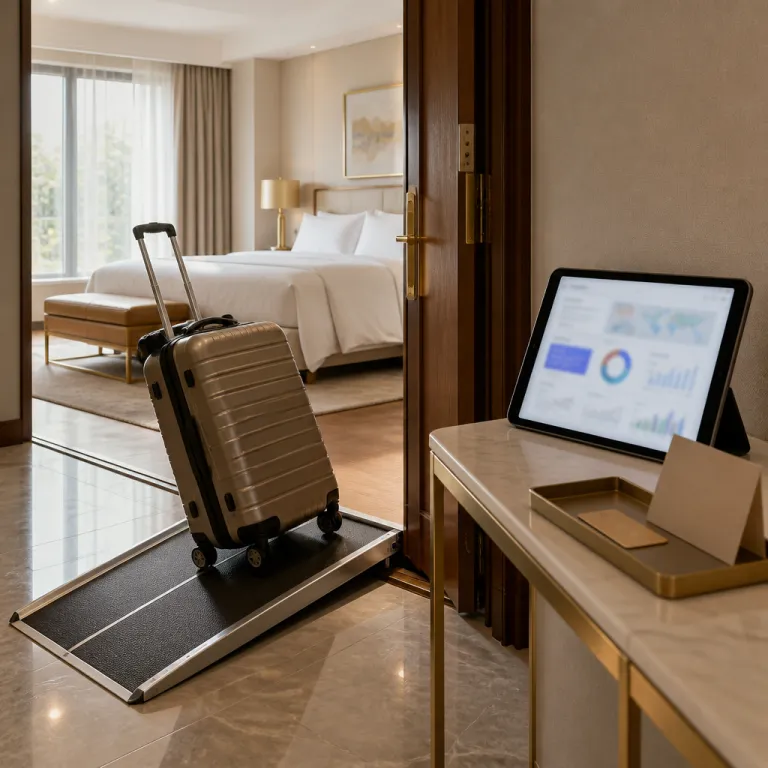
Why PPC for hotels matters for accessible luxury travelers
When you search for an accessible luxury hotel, the first results you see often come from carefully crafted PPC for hotels strategies. For travelers who rely on step free suites, roll in showers, or visual alarms, these PPC ads can be the difference between a confident booking and a stressful guess. Smart hotel PPC ensures that accurate accessibility details, transparent costs, and clear photos appear exactly when guests with high intent are ready to click.
Pay per click advertising, usually called PPC, lets luxury hotels compete with powerful Online Travel Agencies in paid search without losing control of their brand story. Instead of relying only on intermediaries, hotels can run targeted PPC campaigns on Google Ads so that their own accessible rooms and services appear first for relevant keywords. This approach to hotel marketing is especially valuable for travelers with specific booking intent, because it connects them directly with the property that can actually meet their needs.
For people using screen readers or needing guaranteed accessible parking, direct bookings through a hotel website often provide better pre arrival communication than generic OTA listings. When PPC ads appear above the organic search results, they can highlight accessible features, flexible booking policies, and staff trained in disability awareness. That combination of precise PPC management and thoughtful digital marketing builds trust, improves conversion rates, and ultimately increases revenue while keeping the guest experience at the center.
How PPC campaigns guide you to the right accessible hotel
Behind every relevant PPC ad you see for luxury hotels, there is a carefully structured PPC campaign built around search intent. Hotels and PPC consultants group keywords such as "wheelchair accessible hotel in Paris" or "step free spa resort" into themed campaigns so that ads appear only for travelers likely to value those features. This focus on high intent queries keeps pay per click costs under control while making each click more meaningful for both guests and hotels.
On a premium accessible booking website, PPC for hotels can highlight specific room categories, such as pool view accessible suites or connecting rooms for carers and families. When you click a well written PPC ad, you should land on a page that repeats the same keyword focus, explains accessibility in detail, and makes the direct booking process simple. A strong landing page example would include a clear headline repeating the search term, a short checklist of accessible features above the fold, real photos of the room layout, and a prominent “Book accessible room” call to action. That alignment between PPC ads, landing page content, and SEO signals reassures travelers that the hotel understands their needs and respects their time.
For example, a campaign promoting elegant California weekend getaways for accessible luxury stays can use Google Ads to target both local and international travelers searching for short breaks. The hotel PPC strategy might include separate PPC campaigns for couples, solo travelers, and families, each with tailored messaging and different negative keywords to filter out irrelevant traffic. In one real world case study shared by a hotel marketing agency, segmenting campaigns by audience type and accessibility needs improved click through rate by more than twenty percent and lifted conversion rate by around fifteen percent over three months. When PPC hotels invest in this level of segmentation, guests see fewer generic ads and more precise offers that match their booking intent and accessibility expectations.
Protecting hotel brands and accessibility promises in paid search
Luxury hotels that invest heavily in accessible design often find their brand names targeted by Online Travel Agencies in paid search auctions. When an OTA bids on a hotel brand keyword, its PPC ads can appear above the official website, even though the OTA does not control room assignments or accessibility guarantees. This creates confusion for guests and can lead to bookings that do not fully reflect the hotel marketing message around inclusion and comfort.
To regain control, many hotels run brand protection PPC campaigns that focus on their own names and signature accessible features. By using Google Ads and other platforms, they ensure that the first PPC ads travelers see lead to official pages with accurate accessibility statements, verified photos, and clear contact options. In practice, this often means bidding on exact match brand terms, adding sitelinks to accessibility pages, and using call extensions that connect guests directly with reservations teams trained to answer detailed questions. This approach to PPC for hotels reduces reliance on intermediaries, improves direct bookings, and supports long term revenue growth for properties that invest in inclusive design.
Destination marketing organizations are also starting to support this shift by building accessibility verified travel networks from scratch and coordinating PPC management across multiple hotels. When regional tourism boards promote accessible routes, attractions, and hotels through shared PPC campaigns, guests benefit from consistent information and easier trip planning. A strong example is how some organizations now combine SEO content, paid search, and curated listings to highlight verified accessible stays, as seen in initiatives focused on building accessibility verified travel networks documented in industry case studies and conference presentations.
Reducing costs and OTA dependence through smarter PPC management
For many luxury hotels, the main financial argument for PPC for hotels is the chance to reduce OTA commission costs while increasing direct booking volume. Industry data from sources such as Phocuswright and Skift indicates that Online Travel Agencies account for roughly forty percent of the global online travel market, with typical commission rates often sitting between fifteen and twenty percent. When hotels shift part of that budget into well managed PPC campaigns, they can pay click by click instead of surrendering a fixed share of every booking.
Effective PPC management starts with clear goals, such as increasing direct bookings from wheelchair users or improving conversion rates for guests needing hearing accessible rooms. Hotels then structure PPC campaigns around these objectives, using negative keywords to exclude low intent searches and focusing bids on high intent phrases that signal strong booking intent. Typical performance indicators include cost per acquisition, conversion rate from click to booking, and return on ad spend, with many properties aiming for a cost per acquisition below ten to fifteen percent of average booking value to beat OTA commission levels. Over time, AI driven bid hotel strategies within platforms like Google Ads can automatically adjust bids based on device, location, and time of day to maximize return on ad spend.
Hotels use PPC to drive direct bookings. To keep PPC costs sustainable, revenue managers and digital marketing teams monitor metrics such as cost per acquisition, average booking value, and lifetime value of repeat guests. When PPC ads appear for the right audience at the right moment, the hotel can afford to outbid OTAs on strategic keywords while still improving overall profitability. In several published case studies, hotels that reallocated part of their OTA budget into direct response search campaigns reported double digit growth in direct revenue within a year while holding overall marketing costs stable. This disciplined approach to hotel PPC turns paid search from a risky expense into a predictable investment in guest relationships.
Using PPC ads to highlight accessibility, sustainability, and inclusive luxury
Travelers seeking accessible luxury increasingly care about both physical access and environmental responsibility when choosing a hotel. PPC for hotels can showcase this combination by promoting properties where green design and inclusive features are presented side by side in the ads. When PPC ads appear with sitelinks to accessibility pages, sustainability commitments, and detailed room descriptions, guests gain confidence before they even start the booking process.
On specialized platforms that curate accessible and eco conscious properties, PPC campaigns can direct travelers to collections of hotels that meet strict criteria. A strong example is how some accessible travel sites highlight sustainable and accessible eco conscious properties proving that green design and inclusion go hand in hand, then support those listings with targeted PPC ads. In one benchmark shared at travel marketing events, campaigns that combined accessibility and sustainability messaging achieved higher engagement rates than generic luxury ads, suggesting that inclusive eco luxury resonates strongly with modern travelers. This blend of SEO content, paid search, and thoughtful hotel marketing ensures that travelers with disabilities do not have to choose between comfort, style, and environmental values.
For guests using mobility aids, the most persuasive PPC ads are those that translate marketing promises into concrete details such as door widths, ramp gradients, and distances to public transport in metres. When a PPC campaign leads to a landing page with clear diagrams, photos at wheelchair height, and transparent booking policies, conversion rates tend to rise. Over time, PPC hotels that consistently align their paid search messaging with real world accessibility earn stronger reviews, higher repeat bookings, and a reputation for trustworthy digital marketing.
Future trends in PPC for hotels and what they mean for your stay
The next wave of PPC for hotels is being shaped by AI driven bid strategies, richer audience data, and closer collaboration between revenue managers and accessibility specialists. As platforms such as Google Ads roll out more automated campaign types, hotels can let algorithms handle bid hotel adjustments while humans focus on crafting inclusive messaging. This shift allows PPC campaigns to react in real time to changes in demand, seasonality, and traveler behavior without losing sight of accessibility priorities.
For travelers, this means that PPC ads will become more personalized, reflecting not only location and dates but also inferred booking intent around accessibility and trip style. Someone who frequently searches for step free city breaks may start seeing more PPC ads for urban luxury hotels with verified accessible transport links and nearby cultural venues. At the same time, hotels will rely on negative keywords and careful audience exclusions to avoid wasting budget on low intent clicks that do not match their accessible offering.
As destination marketing organizations, hotel groups, and independent accessible properties share more data about guest preferences, PPC management will become a central tool for shaping inclusive travel ecosystems. Performance Max style campaigns will likely combine search, display, and video formats so that PPC ads appear across multiple touchpoints before a traveler finally completes a direct booking. For guests, the benefit is simple yet powerful; more relevant information, fewer frustrating dead ends, and a smoother path from first keyword search to a confirmed accessible stay.
Key statistics about PPC for hotels and accessible luxury
- Online Travel Agencies account for roughly forty percent of the global online travel market share, according to analyses from firms such as Phocuswright and Skift, which explains why many hotels use PPC for hotels to win back direct bookings and protect their brand presence in paid search.
- Typical OTA commission rates around fifteen to twenty percent mean that every direct booking generated through efficient hotel PPC can significantly improve revenue, especially for high value accessible suites and long stays (source: comparative studies of OTA commission structures in industry reports and analyst briefings).
- Hotels that align PPC ads, accessibility content, and SEO optimized landing pages often see higher conversion rates, because guests with high intent find the exact information they need without extra clicks (source: case studies from digital marketing agencies specializing in hotel marketing and accessibility focused campaigns).
- AI driven bid management within platforms such as Google Ads allows hotels to adjust pay per click bids automatically, helping them keep PPC costs stable while maintaining visibility for critical accessibility related keywords (source: platform documentation, product updates, and performance reports shared at travel marketing conferences).
FAQ about PPC for hotels and accessible bookings
What is PPC for hotels ?
What is PPC for hotels? Pay-Per-Click advertising to drive direct bookings. In practice, this means hotels pay a fee each time someone clicks their ad in search results or on partner sites. For accessible luxury properties, PPC campaigns are often designed to highlight specific features such as step free access, adapted bathrooms, and trained staff.
Why should hotels use PPC instead of relying only on OTAs ?
Why should hotels use PPC? To increase direct bookings and reduce OTA commissions. When hotels run their own PPC campaigns, they can control the message, showcase accurate accessibility information, and build direct relationships with guests. This approach usually improves long term revenue and gives travelers clearer, more reliable details about their stay.
How do hotels implement PPC campaigns for accessible rooms ?
How do hotels implement PPC? By bidding on keywords and creating targeted ads. They start by researching search terms related to accessible stays, then structure PPC campaigns around those themes with tailored landing pages. Negative keywords are added to filter out irrelevant traffic, keeping pay per click costs focused on high intent travelers.
Can PPC help me find verified accessible luxury hotels more easily ?
PPC for hotels can make it easier to find verified accessible properties, because hotels can promote pages that detail their accessibility audits and certifications. When PPC ads appear with sitelinks to accessibility statements, photo galleries, and contact forms, you can quickly assess whether a hotel matches your needs. This reduces the risk of unpleasant surprises at check in and supports more confident booking decisions.
How does PPC interact with SEO on accessible booking websites ?
On a well designed accessible booking platform, PPC and SEO work together to guide travelers from initial research to final booking. SEO content answers broad questions about accessible destinations, while PPC ads focus on high intent searches ready to convert. When both channels share consistent messaging about accessibility and luxury, guests experience a smoother, more trustworthy journey.