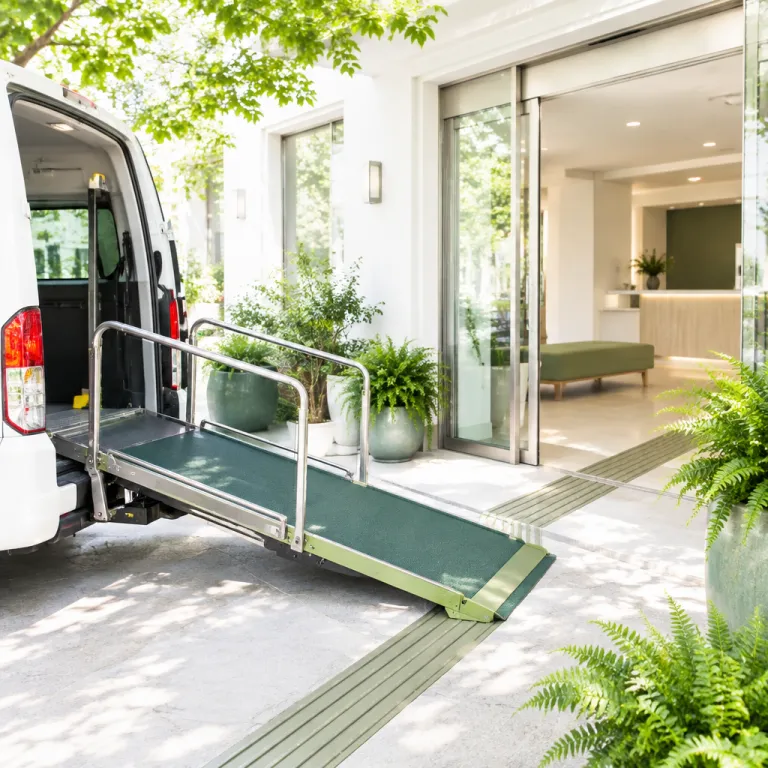
World Tourism Day’s quiet revolution in accessible infrastructure
World Tourism Day 2026 accessible destinations are no longer a niche topic for policy panels ; they are shaping where high value guests actually book. On this World Tourism Day, the focus on accessible tourism shows how a destination’s transport grid, hotel stock and public realm either enable or block seamless accessible travel for business leisure guests. When the United Nations aligns the official world tourism agenda with accessibility, the message is clear for every luxury property and premium booking website.
Across the world, tourism day conversations now connect accessible, sustainable and responsible development with hard commercial outcomes. One in six people globally lives with a disability, which means that accessible infrastructure is basic market competence, not a niche add-on, and this reality is reshaping how international hotel brands and local independents invest in technology and service. For executives extending a work trip into leisure, the destinations that treat accessible travel as core infrastructure rather than a marketing theme are the ones where a five star stay actually feels effortless.
The official theme for this day will again sit at the intersection of sustainable tourism, digital transformation and inclusive growth. That theme digital focus is not abstract ; it filters down into how a luxury booking engine surfaces verified roll in showers, visual alarms and step free meeting spaces in real time. When a tourism organization uses a coherent digital agenda to publish accessibility data, guests can align their own responsible travel agenda with destinations that genuinely redesign tourism for everyone.
September is when the global travel calendar pivots from peak leisure to conference season, and that shift matters for accessible tourism. On this day world moment, destinations that have invested in joined up metro systems, low floor airport shuttles and dense clusters of accessible hotels within 500 metres of key venues stand out. For business travellers who use mobility aids or who travel with neurodivergent family members, the difference between accessible by design and accessible by exception becomes obvious the moment they land.
Costa Rica and Scandinavia: systemic accessible tourism, not isolated ramps
Costa Rica has become a reference point for accessible tourism because it treats inclusion as a national development priority, not a side project. The Donatapa scheme has created 15 accessible beaches on the Pacific Coast and 2 on the Caribbean using bottle caps recycled into beach boardwalks, and that simple piece of local technology has transformed coastal accessible travel for wheelchair users and families with strollers. When a world tourism strategy turns recycled plastic into reliable beach access, you see how responsible sustainable thinking can feel luxurious in practice.
In Scandinavia, accessible tourism is woven into the wider responsible travel culture that already values sustainable travel and low impact design. Cities such as Copenhagen and Oslo pair step free metro systems with hotel districts where accessible rooms are not hidden on back corridors but integrated across room categories, which means a premium accessible suite is as easy to book as any other. For business leisure guests, this intelligence redesign of the built environment makes it possible to move from airport to boardroom to waterfront restaurant without a single awkward detour.
Both Costa Rica and the Nordic capitals show how a tourism organization can use artificial intelligence and a clear digital agenda to map, verify and publish accessibility information at scale. When that agenda artificial focus is aligned with a national tourism day campaign, local hoteliers feel pressure to match the infrastructure story with credible room product and trained staff. The result is a virtuous circle where sustainable tourism, accessible infrastructure and responsible travel behaviour reinforce each other rather than compete for attention.
For luxury and premium booking platforms, these destinations are ideal test beds for new accessible travel filters that go beyond a single accessible icon. A well designed interface can use artificial intelligence to surface hotels near Costa Rica’s accessible beaches or within 300 metres of a step free metro station in Stockholm, while still curating by design, service and wellness credentials. If you want to track which emerging destinations are serious about redesign tourism, watch where investors are pairing inclusive infrastructure with high end hotel openings and follow the season’s most interesting new accessible properties worth watching.
September’s off peak advantage for business leisure accessible travel
For executives planning accessible travel around World Tourism Day 2026 accessible destinations, September offers a rare sweet spot. Leisure crowds thin, rates soften and yet the cultural calendar in many cities is just warming up, which makes it easier to secure accessible rooms and reliable airport transfers without compromising on service. This is when responsible sustainable choices often align naturally with comfort, because walking routes, tram platforms and hotel lobbies are simply less congested.
In European capitals, the shift from summer holidays to congress season means that accessible tourism becomes a boardroom topic rather than a brochure slogan. Conference centres with level access, tactile wayfinding and hearing loops suddenly influence where international associations place their events, and that in turn drives hotel development in adjacent districts. If you time your trip for late day Sep windows, you often find that the same metro lines and curb cuts built for commuters now quietly serve your own accessible travel agenda.
Destinations that treat tourism day as a working deadline for infrastructure upgrades tend to be the ones where your stay feels frictionless. You see it in the way local taxi apps label wheelchair accessible vehicles, in the way hotel concierges know which cultural venues have quiet hours and in the way airport staff handle assistance requests without drama. For a deeper look at how these systems come together, our guide to September off peak accessible destinations highlights cities where thinner crowds and thoughtful planning turn a work trip into a restorative break.
TravelAbility launched the Accessibility Travel Information Day on July 27, 2026, designed to help destinations uncover, consolidate, and promote clear accessibility information through coordinated national awareness. That initiative complements World Tourism Day by pushing tourism organization teams to treat accessibility data as part of their core digital agenda, not a side spreadsheet. When destinations respond by publishing structured information on kerb heights, room layouts and sensory friendly hours, luxury booking platforms can plug that intelligence into their own technology and give guests the confidence to extend a two day meeting into a five day stay.
How luxury booking platforms turn policy into real accessible stays
For all the speeches about world tourism and inclusive growth, the real test of World Tourism Day 2026 accessible destinations happens on your phone screen. A premium booking website for accessible hotels either translates that international agenda into precise filters and verified photos, or it leaves you guessing about whether the roll in shower actually has a seat. The best platforms now treat accessible tourism as a design brief, not a compliance checklist.
Artificial intelligence can help, but only when it is paired with human verification and a clear agenda artificial framework. Machine learning can scan hotel descriptions for accessibility claims, yet only trained auditors and lived experience travellers can confirm whether a pool hoist works or whether a so called step free entrance hides a single unexpected stair. When that intelligence redesign process is embedded into the product roadmap, the platform becomes a trusted partner rather than a glossy intermediary.
Leading destination marketing bodies are already building accessibility verified travel networks that plug directly into these platforms. Our report on how destination marketing organizations are building accessibility verified travel networks from scratch shows how local and national teams share structured data with hotel groups, transport providers and cultural venues. This is where the theme digital focus of tourism day stops being abstract and starts shaping which properties appear at the top of your search results.
When world tourism bodies, united nations agencies and private platforms align around responsible sustainable growth, the impact on your next trip is tangible. You gain the confidence to book a waterfront suite in Costa Rica knowing that the accessible boardwalk is real, or to choose a Scandinavian city break because the metro, museums and hotels all operate on the same accessibility standard. On this tourism day and every day after, the destinations that prove inclusion is infrastructure, not marketing, will be the ones that win the loyalty of discerning accessible travellers.
FAQ
How should I choose a destination for an accessible business leisure trip around World Tourism Day ?
Start by looking for destinations where accessible tourism is part of a published national development plan, not just a hotel by hotel promise. Check whether the local tourism organization provides detailed accessibility maps for transport, cultural venues and hotel districts. Cities and countries that treat accessibility as core infrastructure usually make it easy to plan airport transfers, meetings and downtime within a compact, step free radius.
What makes Costa Rica stand out for accessible luxury stays ?
Costa Rica combines a strong sustainable tourism reputation with concrete accessible infrastructure such as the Donatapa accessible beaches. Luxury properties along both coasts increasingly align their design with these public investments, offering step free suites, pool hoists and trained staff who understand accessible travel needs. For guests, that alignment between public space and private hospitality creates a seamless experience from arrival to departure.
How can I tell if a hotel’s accessibility information is reliable on a booking website ?
Look for platforms that provide detailed, photo verified accessibility checklists rather than a single generic icon. Reliable listings specify door widths, bed heights, bathroom layouts and the presence of visual alarms or hearing support, and they often reference third party audits. If the information feels vague or purely marketing driven, contact the property directly and ask for recent photos of the exact room category you plan to book.
Why is September a strategic month for accessible travel ?
September often brings lower occupancy and calmer public spaces in many business and cultural hubs, which can make navigation easier for travellers with mobility, sensory or cognitive access needs. Hotels are more likely to have multiple accessible room types available, and staff have more time to provide personalised assistance. Aligning your trip with World Tourism Day events can also give you access to exhibitions, talks and local initiatives focused on inclusive tourism.
How are digital tools and artificial intelligence changing accessible hotel booking ?
Digital platforms now use structured accessibility data and artificial intelligence to surface hotels that match specific access requirements, such as roll in showers or step free meeting rooms. The most advanced systems combine this with human verification, guest reviews and partnerships with destination marketing organizations to keep information current. For travellers, this means less guesswork, more transparency and a higher chance that the room you book will genuinely meet your needs.