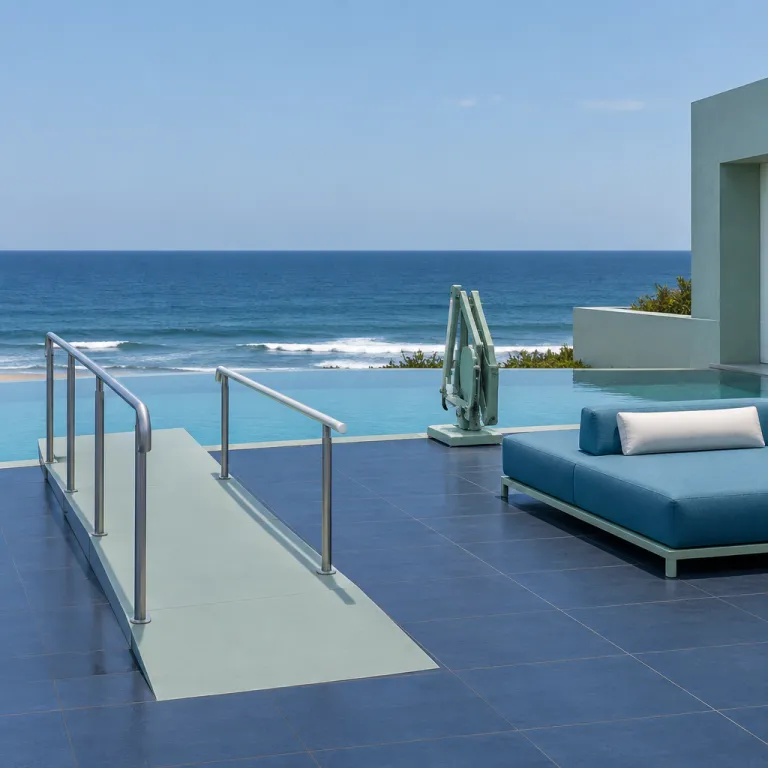
Why wellness retreats in Azerbaijan suit accessible luxury travel
Wellness retreats in Azerbaijan combine dramatic landscapes with advanced medical expertise. Many centers integrate traditional healing with contemporary spa science, creating a refined setting for guests who need both comfort and clinical reassurance. For travelers with access needs, each modern retreat is increasingly designed as a health-focused sanctuary rather than a simple leisure stop.
The country’s most established wellness resorts sit between the Caspian Sea and the Caucasus foothills, which allows properties to offer clean air, mineral-rich waters, and calm surroundings. Luxury hotels in Baku and in the countryside now position every stay as a curated journey, where spa treatments, medical consultations, and nutrition plans are coordinated around mobility or sensory requirements. This approach helps guests evaluate health retreats with the same precision they would apply to a medical center, while still enjoying the elegance of a five-star resort spa.
For travelers comparing wellness retreats in this region with options in India or in Bali, accessibility standards are becoming a decisive factor. A well-designed retreat will publish transparent accessibility information, specify adapted rooms and spa facilities, and outline how staff assist with transfers or equipment. When a health resort describes these elements clearly, it becomes easier to find the right balance between clinical-level treatment and indulgent relaxation.
Naftalan oil and medical spa traditions for inclusive healing
Naftalan has long been associated with therapeutic oil-based treatment in Azerbaijan. Modern health resorts now use refined Naftalan oil under strict medical supervision, turning a historic remedy into structured spa treatments that can be tailored for guests with disabilities. These centers typically combine Naftalan oil baths with physiotherapy, hydrotherapy, and mineral-springs programs to support joint mobility and the nervous system.
In Naftalan itself, several wellness retreats operate as hybrid medical centers and resort spa complexes. Guests book a private retreat or longer stay that includes diagnostic consultations, daily treatments, and full board meals, while accessible rooms and lifts ensure that therapy pools and treatment cabins remain reachable. Publicly available descriptions indicate that leading Naftalan properties usually offer multiple adapted rooms, step-free access to key facilities, and on-site medical staff, although travelers should confirm exact room counts, door widths, and equipment such as pool hoists directly with each resort.
When evaluating any Naftalan retreat, travelers should examine how the resort describes its medical protocols and accessibility pathways. Look for clear explanations of how Naftalan oil treatments are scheduled, whether mineral springs or thermal pools have hoists, and how staff assist guests with limited mobility. Luxury properties that publish detailed treatment descriptions and accessibility-focused wellness reviews usually signal a higher standard of safety and guest care.
For guests interested in elevated spa circuits, accessible infinity pools, and inclusive thermal journeys, it is worth reviewing guidance on luxury hotel amenities that should never require compromise. These principles apply directly to Naftalan wellness retreats, where every treatment area should be as accessible as the guest rooms. When a resort spa in Azerbaijan aligns its Naftalan programs with these standards, it becomes a compelling choice for long-stay health retreats.
Chenot Palace Gabala and the rise of structured health retreats
Chenot Palace Gabala has positioned itself as one of the most sophisticated wellness retreats in Azerbaijan. The Chenot Palace concept blends medical diagnostics, spa treatments, and nutrition into a structured wellness retreat that targets detox, stress reduction, and nervous system balance. For travelers with accessibility needs, the Gabala setting combines wide corridors, elevators, and adapted suites with clinical-level care.
At this health resort, guests follow a program of Chenot treatments that may include hydrotherapy, mud wraps, and carefully calibrated diets served as full board meals. The resort spa team coordinates each treatment schedule so that guests can move efficiently between consultation rooms, therapy pools, and relaxation areas, which is crucial for anyone using mobility aids. Public information highlights step-free routes, lift access to spa levels, and a limited number of accessible rooms; however, travelers should request precise data on door widths, roll-in showers, and any pool hoists or adjustable treatment beds before confirming a stay.
Travelers considering a private retreat at Chenot Palace should examine how the property handles pre-arrival assessments and accessibility requests. Detailed wellness reviews from previous guests often mention how staff adapt spa treatments for different conditions, or how the resort offers assistance with transfers to mineral springs and walking paths. For couples seeking an intimate yet clinically informed escape, it can be helpful to read about romantic hotels with accessible spa-style suites, then compare those expectations with the Gabala facilities.
While Chenot Palace Gabala does not market itself as a traditional yoga ashram, it incorporates guided yoga meditation and breathing sessions into its wellness retreat programs. These sessions complement the medical treatments by calming the nervous system and supporting better sleep, which many guests cite in their reviews. For travelers who want a retreat that feels more like a European health clinic than a casual resort, Chenot Palace offers a compelling model within Azerbaijan.
Baku and coastal wellness centers with accessible spa design
Baku has emerged as a gateway city for wellness retreats in Azerbaijan, especially for travelers who prefer urban comforts. Several luxury hotels operate as de facto wellness centers, combining resort spa facilities with medical-style consultations and tailored spa treatments. For guests with disabilities, these properties often provide the most predictable accessibility, from step-free lobbies to adapted pools.
Along the Caspian waterfront, some resorts integrate mineral-inspired treatments that echo the country’s inland springs and balneotherapy traditions. Guests can book a short retreat that includes massage, hydrotherapy, and light medical checks, then extend their stay into a longer wellness program if needed. Compared with remote health retreats, Baku properties allow easier access to hospitals, pharmacies, and accessible transport, which reassures travelers managing complex health conditions.
When assessing Baku wellness retreats, pay close attention to room descriptions and spa access notes. A truly inclusive resort will specify door widths, roll-in showers, pool hoists, and whether treatment rooms can accommodate wheelchairs or other equipment. Travelers can also use detailed accessibility guides, such as advice on crafting the perfect welcome message for guests in hotel settings from specialist hospitality resources, to evaluate how well a property communicates with guests before arrival.
Urban wellness centers in Baku often operate year round, which benefits guests who need flexible dates for medical treatment or rehabilitation. Many resorts offer full board or half board meals tailored to specific health needs, including low-sodium or diabetic-friendly menus. For travelers comparing these options with spa-focused hotels in India or in Bali, Baku stands out for its combination of cosmopolitan culture, accessible infrastructure, and clinically informed spa programs.
Designing accessible spa and wellness experiences within retreats
Accessible wellness retreats in Azerbaijan succeed when design, staffing, and programming work together. A retreat that aspires to luxury standards must ensure that every spa, pool, and treatment room is reachable without barriers, not only the main lobby or restaurant. This means step-free routes, wide doors, tactile signage, and staff trained to assist discreetly during medical or spa treatments.
Health resorts that operate year round can invest more consistently in accessibility upgrades, from pool hoists at mineral springs to adjustable treatment beds in resort spa cabins. When a property offers full board meals, it should also provide menus in accessible formats and accommodate dietary restrictions linked to chronic health conditions. Guests evaluating wellness retreats across the country should look for these details in descriptions and reviews, as they indicate whether accessibility is integrated into the retreat or treated as an afterthought.
Programming matters as much as architecture in an inclusive wellness retreat. Yoga meditation classes, for example, should offer chair-based or bed-based options so that guests with limited mobility can participate fully. Meditation retreats that adapt breathing exercises and relaxation techniques for different abilities often achieve better outcomes for the nervous system, especially when combined with medical supervision and tailored treatments.
When a resort in Azerbaijan positions itself as a private retreat, it should clarify how one-to-one sessions, spa treatments, and medical consultations can be adapted for guests with sensory or cognitive differences. Clear communication about assistance with transfers to mineral springs, Naftalan oil baths, or outdoor springs paths helps guests plan confidently. In practice, the most successful health retreats treat accessibility as a core element of wellness, not a separate service.
Comparing Azerbaijan wellness retreats with India and Bali for accessible stays
Travelers often compare wellness retreats in Azerbaijan with established destinations in India and Bali. Each region offers distinct strengths, so the choice depends on whether you prioritize medical structure, spiritual immersion, or resort-style relaxation. For guests with disabilities, the consistency of accessibility standards can be as important as the quality of spa treatments or meditation programs.
Many Indian meditation retreats emphasize yoga, Ayurveda, and spiritual teachings, while Bali is renowned for scenic resort spa complexes and creative wellness offers. Azerbaijan, by contrast, leans toward medically supervised health retreats that integrate Naftalan oil therapies, mineral springs, and diagnostic centers within a resort setting. This makes a typical Azerbaijani retreat feel closer to a European health resort, where treatment plans, board meals, and follow-up reviews are coordinated with clinical precision.
When trying to find the perfect destination, travelers should list their non-negotiable needs. These might include step-free access to all spa areas, availability of medical staff on site, or the option for a private retreat with tailored yoga meditation and physiotherapy. In Azerbaijan, properties such as Chenot Palace Gabala and Naftalan health resorts often meet these criteria, while still offering the calm atmosphere associated with traditional wellness retreats.
Cost structures also differ between regions, especially for long-stay health retreats that include full board meals and daily treatments. Some travelers choose Azerbaijan because its resort spa packages can be more cost-effective than comparable programs in Western Europe, yet more clinically structured than casual retreats in Bali. Whatever the final choice, the key is to match your health goals, accessibility requirements, and preferred style of retreat with the specific strengths of each destination.
Key statistics on wellness and accessible travel
- According to the Global Wellness Institute’s 2023 Global Wellness Economy Monitor, the wellness tourism market exceeded 700 billion US dollars recently, with health retreats and wellness resorts representing one of the fastest-growing segments worldwide. Readers can consult the latest edition of the Global Wellness Economy Monitor on the Global Wellness Institute website to verify current figures and regional breakdowns.
- Data from the World Health Organization’s World Report on Disability indicate that around 16 percent of the global population lives with a significant disability, which underscores the importance of accessible design in every health resort and resort spa. The full World Report on Disability is available through the official WHO publications portal for those who want to review the methodology and detailed statistics.
- European Spa Association reports show that medical spa treatments and mineral-springs-based therapies account for a substantial share of spa revenue in Eastern Europe and the Caucasus, supporting the continued development of Naftalan oil centers and mineral springs resorts in Azerbaijan. These reports, published periodically by the European Spa Association, provide verifiable data on occupancy, treatment types, and revenue trends.
- Surveys by accessible travel organizations such as Open Doors Organization suggest that travelers with disabilities spend more per trip on average than other tourists, especially when booking full board or board-meals packages at wellness retreats that guarantee reliable accessibility. The most recent Open Doors Organization market studies, available on the organization’s website, offer detailed spending estimates and travel behavior insights.
FAQ about wellness retreats in Azerbaijan
Are wellness retreats in Azerbaijan suitable for travelers with disabilities ?
Many wellness retreats in Azerbaijan are increasingly designed with accessibility in mind, especially higher-end health resorts and resort spa complexes. Guests should still verify details such as step-free access, adapted bathrooms, and pool hoists before booking. Direct communication with the property’s reservations team is essential to confirm that specific mobility or sensory needs can be met.
What types of treatments are common at Azerbaijani wellness retreats ?
Typical programs combine spa treatments such as massage and hydrotherapy with medical-style services including diagnostics, physiotherapy, and supervised Naftalan oil therapies. Some health retreats also offer mineral springs bathing, detox diets, and nervous-system-focused relaxation techniques. At properties like Chenot Palace Gabala, treatments are integrated into structured wellness retreat programs with full board meals.
How long should I stay at a Naftalan or mineral springs resort ?
Most medical professionals recommend a stay of at least seven to ten nights for Naftalan oil or mineral springs treatment programs, so the body has time to respond. Many guests choose longer retreats of two or three weeks when addressing chronic joint, skin, or nervous system conditions. Shorter breaks can still be beneficial for relaxation, but they may not deliver the same therapeutic impact as a full retreat.
How do Azerbaijan retreats compare with India or Bali for wellness ?
India is often preferred for spiritually oriented yoga and meditation retreats, while Bali is known for scenic resort spa stays and creative wellness offers. Azerbaijan tends to focus more on medically supervised health retreats that integrate diagnostics, Naftalan oil therapies, and mineral springs within a resort environment. Travelers who prioritize clinical structure and accessible design often find Azerbaijan an appealing alternative.
Can I travel to Azerbaijani wellness resorts year round ?
Most major wellness retreats in Azerbaijan, including Naftalan centers and Baku health resorts, operate year round. Summer and early autumn are popular for combining spa treatments with outdoor activities, while winter stays suit guests who prefer quieter retreats and indoor mineral springs programs. When booking, consider seasonal weather, flight schedules, and any medical advice related to your specific treatment plan.