Why canadian hotel brands accessibility features now define modern luxury
Luxury in a Canadian hotel is no longer only about marble lobbies and skyline views. True premium hotels and resorts now treat accessibility as a core promise, ensuring every guest can enjoy a seamless stay from the first check in to the final morning. When you evaluate canadian hotel brands accessibility features, you are really assessing how well their design respects your independence, safety, and comfort.
Across Canada, leading hotel brands such as Fairmont Hotels & Resorts, Marriott, and Hilton are rethinking guest rooms, public spaces, and meeting rooms through the lens of universal design. This means accessible rooms are planned from the blueprint stage, with wheelchair friendly circulation, roll showers, and grab bars that feel integrated rather than added later. For wheelchair users and other guests with specific needs, these accessibility features turn a potentially stressful trip into a calm, predictable travel experience.
Luxury hotel group strategies now link accessibility to service culture, digital tools, and staff training. Canadian hotels that position themselves among the best hotels increasingly publish clear information about accessible hotels and hotels resorts on their websites, so travellers can check details before they book. For example, major chains now host dedicated accessibility pages that outline room types, step free routes, and assistive technology in plain language. When brands accessibility commitments are transparent, guests can choose the hotel or resorts that match their mobility, sensory, or cognitive requirements without guesswork.
Inside accessible rooms and suites at canadian hotels
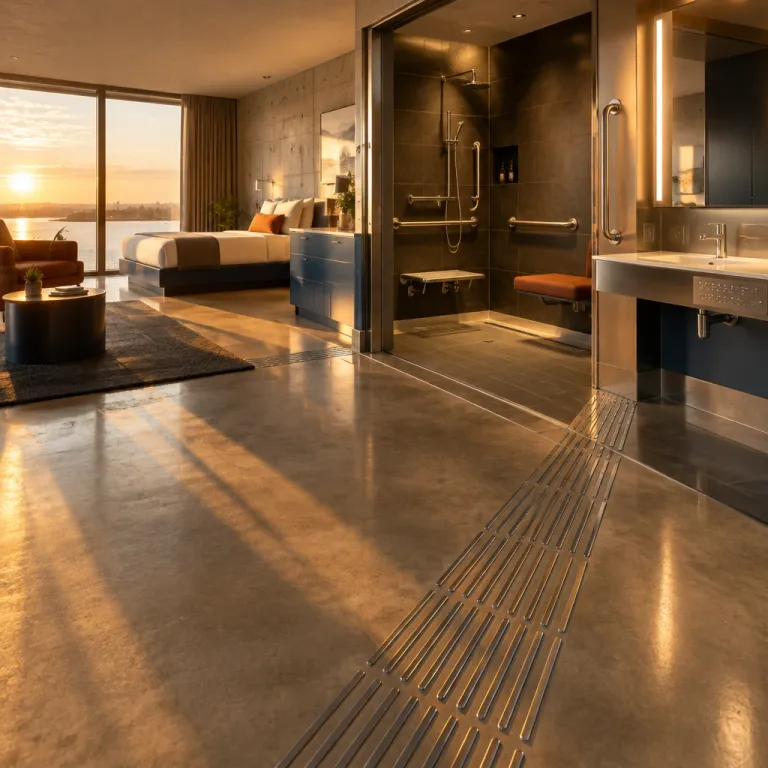
Step into the latest generation of accessible rooms in Canadian hotels and you will notice thoughtful details before you see any equipment. Doorways are wide enough for a wheelchair, turning circles are generous, and furniture is arranged so guests can move freely without constant course corrections. In many newer properties, doors are at least 36 inches wide and rooms are designed with a turning radius of about 1500 mm so power chairs can manoeuvre easily. These guest rooms feel like elegant hotel spaces first, while still delivering every accessibility feature required for a barrier free stay.
Bathrooms in accessible hotels now set the standard for inclusive design in the hospitality sector. Many canadian hotel brands offer roll showers with level entry, fold down seats, and grab bars positioned for both safety and comfort, not just code compliance. A typical layout might include a shower seat mounted 17–19 inches high, horizontal grab bars along the back and side walls, and hand held shower heads that can be reached from a seated position. Visual fire alarms, contrasting floor and wall colours, and lever handles instead of knobs help guests with low vision or limited dexterity feel as confident as any other travellers.
Premium hotels and resorts also extend accessibility features beyond the room itself into shared areas. Wheelchair accessible routes connect reception, restaurants, spas, and meeting rooms, while some properties provide tactile signage and lowered check in counters for a more dignified welcome. At several downtown Toronto and Vancouver hotels, for instance, accessible rooms are located on the same floors as wellness facilities to reduce travel distance for guests with fatigue or chronic pain. For travellers planning family stays, it is worth checking whether accessible rooms are located near amenities such as children’s pools or play areas, which you can explore further through this guide to elegant family stays in hotels with children’s swimming pools.
Personalised services that elevate an accessible luxury stay
What truly distinguishes canadian hotel brands accessibility features at the luxury level is the way services are personalised around each guest. Before arrival, many hotel brands now invite wheelchair users and other travellers with access needs to share preferences about room layout, equipment, and support. This allows the hotel group to prepare specific guest rooms, arrange wheelchair accessible transport, or reserve barrier free meeting rooms in advance.
On property, well trained teams use detailed accessibility check lists to coordinate housekeeping, concierge, and food and beverage services. A guest may request a shower chair, extra grab bars, or a vibrating visual fire alert device, and the hotel can document these needs in its CRM so they are ready for the next stay. At one major chain in Western Canada, a frequent business traveller who uses a power wheelchair noted that “my preferred bed height, transfer space, and shower chair are always set up before I arrive, even if I land late at night,” illustrating how consistent processes can reduce stress. Some Canadian hotels also offer guided orientation of the property, walking or rolling with guests to show wheelchair friendly routes, quiet spaces, and the most accessible hotels restaurants.
Digital tools now play a central role in this personalised approach to accessibility. Several hotels resorts have introduced an app that allows guests to message the front desk, request assistance to their room, or book roll showers and other equipment without a phone call. In some Canadian hotels, guests can even use mobile check in to confirm that an accessible room has been assigned and to flag last minute needs such as bed risers or portable ramps. For travellers who value data driven transparency, this article on how hotel groups measure accessibility progress explains how brands accessibility performance is audited and benchmarked over time.
Designing wheelchair friendly spaces across canadian hotels and resorts
Architecture and interior design are where canadian hotel brands accessibility features become visible and tangible. In the best hotels, universal design principles guide everything from the slope of ramps to the height of reception desks and restaurant tables. When a hotel or resorts team collaborates with accessibility consultants and wheelchair users, the result is a property that feels intuitive to navigate rather than merely compliant.
Public areas in accessible hotels are increasingly planned as continuous, barrier free journeys. Guests can move from the entrance to elevators, guest rooms, restaurants, and meeting rooms without encountering a single step, narrow doorway, or awkward threshold. In many new builds, ramps are designed with slopes close to 1:12 and handrails on both sides, while elevators include low mounted controls and audible floor announcements. Clear signage, good lighting, and logical wayfinding help all guests, while wheelchair accessible washrooms and roll showers near wellness areas make it easier to enjoy spa and pool facilities.
Outdoor spaces at Canadian hotels also benefit from this holistic approach to accessibility. Resorts in destinations such as Whistler, Banff, or the Okanagan now integrate wheelchair friendly paths, level terraces, and adapted seating so everyone can enjoy mountain or lake views. A number of properties have introduced paved or compacted gravel trails wide enough for mobility scooters, along with accessible viewing platforms and pool lifts. When brands accessibility strategies extend to gardens, patios, and pool decks, travellers with mobility devices can participate fully in social events, weddings, and corporate retreats.
How to check accessibility features before you book
For travellers comparing canadian hotel brands accessibility features online, the research phase is as important as the stay itself. Start by checking whether the hotel group publishes an accessibility statement that lists specific features such as accessible rooms, roll showers, visual fire alarms, and grab bars. A clear description of guest rooms, public areas, and meeting rooms is a strong signal that the property takes accessibility seriously.
Next, look for photos and floor plans that show wheelchair accessible routes, bathroom layouts, and door widths. When hotels and resorts share images of accessible hotels facilities, you can verify whether the design will work for your wheelchair, scooter, or other mobility aid. If details are missing, contact the hotel directly and ask precise questions about bed height, under sink clearance, and whether the shower is truly barrier free or has a small lip.
Many Canadian hotels now use an app or enhanced booking engine that allows guests to filter for accessibility features. You may be able to select accessible rooms, request a wheelchair friendly transfer, or note that you are travelling with a guide dog during the online check in process. Keeping a personal checklist of your non negotiable needs helps you compare hotel brands objectively and avoid unpleasant surprises on arrival.
Choosing the right canadian hotel brand for your accessible stay
Selecting among Canadian hotels and resorts can feel overwhelming when every hotel claims to be accessible. Focus on how each Canadian hotel describes its accessible rooms, guest services, and brands accessibility commitments, rather than relying on a single wheelchair symbol. Properties that explain their universal design philosophy and list concrete accessibility features usually deliver a more consistent experience.
Pay attention to how staff respond when you ask detailed questions about wheelchair accessible facilities. A hotel that quickly confirms the presence of roll showers, visual fire alarms, and grab bars in specific guest rooms is more likely to support you well during your stay. If the team offers to note your preferences in their system or app, that is another sign of a mature accessibility culture.
Finally, consider how the overall design and atmosphere align with your travel style and energy levels. Some accessible hotels excel at calm, wellness focused stays, while others shine for conferences with fully equipped meeting rooms and barrier free event spaces. When canadian hotel brands accessibility features are matched to your personal needs and reasons for travel, you can simply enjoy the journey rather than manage constant workarounds.
Key statistics on hotel accessibility and inclusive travel
- Research from the World Health Organization indicates that around 16% of the global population lives with a significant disability, which means demand for accessible hotels and wheelchair friendly design is structurally high across all markets. The WHO World Report on Disability (2011) highlights that more than one billion people experience some form of disability worldwide.
- A study by the European Network for Accessible Tourism reported that travellers with disabilities and their companions generate hundreds of billions of dollars in tourism revenue annually worldwide, showing that investment in accessibility features can deliver strong long term ROI for hotel brands.
- Data from the Rick Hansen Foundation in Canada highlights that many existing buildings still fall short of best practice standards, which is why canadian hotel brands accessibility features are increasingly assessed through independent accessibility certifications and audits. The Rick Hansen Foundation Accessibility Certification program, launched in 2017, scores buildings on detailed criteria such as entrances, washrooms, and interior routes.
- Surveys by major hotel group operators have found that clear online information about accessible rooms and barrier free facilities significantly increases booking conversion rates among wheelchair users and older guests.
- Industry benchmarking from organisations such as the Global Sustainable Tourism Council shows that universal design and accessibility are now integrated into broader sustainability and social impact criteria for hotels and resorts worldwide.
FAQ about canadian hotel brands accessibility features
How can I confirm that a canadian hotel room is truly wheelchair accessible ?
Check the hotel website for detailed descriptions of accessible rooms, including door widths, roll showers, grab bars, and visual fire alarms, then contact the property directly to verify these points and request photos or floor plans if needed.
What accessibility features should I expect in luxury canadian hotels ?
In premium Canadian hotels, you should expect step free access throughout public areas, properly equipped guest rooms with roll in showers and grab bars, wheelchair friendly routes to restaurants and meeting rooms, and staff trained to provide personalised assistance when requested.
Do canadian hotel brands offer accessible meeting rooms for events and conferences ?
Many major hotel brands and hotel group operators in Canada provide accessible meeting rooms with level access, adapted seating layouts, assistive listening systems, and barrier free washrooms nearby, but it is essential to confirm these details during the event planning stage.
Can I request specific equipment such as shower chairs or bed risers in advance ?
Most accessible hotels and resorts allow guests to request items like shower chairs, portable grab bars, or bed risers before arrival, and noting these needs in your reservation or through the hotel app helps the team prepare your room correctly.
Are canadian hotel brands accessibility features consistent across all properties in a chain ?
Accessibility standards can vary between properties within the same hotel group, so while brands accessibility guidelines provide a framework, you should always check the exact features of the individual Canadian hotel where you plan to stay.