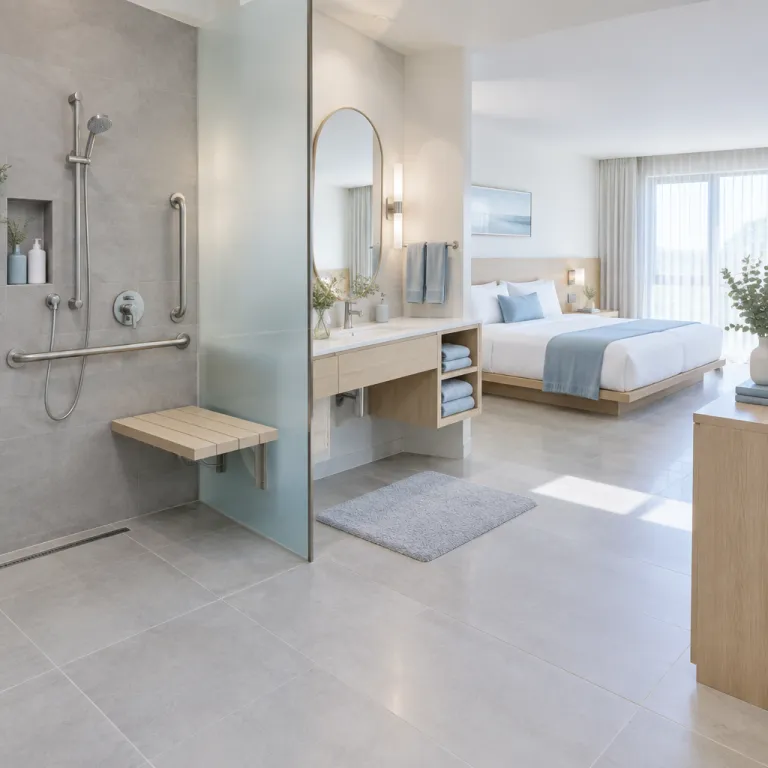
Why an example of a hotel review matters for accessible luxury trips
When you plan an accessible luxury stay, a clear, well-structured hotel review can transform uncertainty into confidence. A thoughtful account helps a future guest understand whether the hotel, the room, and the service will genuinely match their mobility or sensory needs, while still feeling indulgent and refined. Short comments rarely capture the full experience, so detailed feedback becomes an essential guide for travellers who cannot afford unpleasant surprises.
For accessible hotels in iconic destinations, a useful review should go beyond star ratings and mention specific elements such as step free entrances, roll in showers, bed height, and the responsiveness of the staff. These concrete descriptions give future guests a realistic picture of the stay, from booking to check out, and they also help hotels refine their service. When you read several online reviews that share similar positive or negative points, patterns emerge that are far more useful than a single emotional response.
Luxury travellers with access needs rely heavily on online reviews and especially on a detailed google review or two that mention accessibility in depth. A precise account written by a guest who stayed in an accessible suite can be more persuasive than any marketing description, because it feels like a conversation between guests. When you learn how to write a balanced review hotel comment yourself, you contribute to better review management, stronger online reputation, and more inclusive hospitality for everyone.
Structuring a luxury accessible hotel review in iconic destinations
When you look for an example of a hotel review in cities like Paris, Dubai, or Tokyo, structure is what makes the difference between a vague impression and a reliable guide. Start with the context of your stay, including the purpose of travel, the length of the stay, and whether you travelled solo, as a couple, or with other guests who also had accessibility needs. This opening gives future guests a frame of reference and helps them compare your guest experience with their own expectations.
Next, move into specific sections of your hotel review, such as booking, arrival, room, public areas, and service, and keep each part focused on facts rather than feelings. For example, when you describe the room, mention the door width, the space around the bed, the bathroom layout, and whether the staff proactively offered assistance without being intrusive. These detailed review examples turn a simple positive hotel comment into a practical tool for travellers who depend on accurate guest feedback to choose between several hotels.
In iconic districts like Shinjuku, a refined accessible property such as the one featured in this Tokyo Shinjuku refined stay review shows how a strong review response strategy can highlight both strengths and improvements. When management replies thoughtfully to online reviews, including negative reviews, it reassures readers that the équipe takes accessibility seriously. As you read or write hotel reviews, pay attention to these response examples, because they reveal how the example hotel handles real life challenges and shapes its online reputation over time.
What to include in an accessible room and service review
A high quality example of a hotel review for an accessible suite should always start with the booking and pre arrival communication. Explain whether the booking process allowed you to flag specific needs, such as a roll in shower, visual alarms, or proximity to lifts, and whether the staff confirmed these details before your stay. This kind of review example is invaluable for future guests who must know that their requirements will be respected, not treated as optional requests.
When you describe the room, be as precise as possible about dimensions, layout, and equipment, because these specific details separate good reviews from vague praise. Mention the bed height from the floor, the width of the entrance door, the turning radius in the bathroom, and whether grab bars, shower seats, and emergency cords were correctly installed and maintained. A good hotel review also comments on sound insulation, lighting controls, and whether the service team explained how to use any adaptive technology in the room.
Service deserves its own paragraph in any hotel reviews that aim to support accessible luxury travel, because the human factor can elevate or undermine even the best design. Describe how the équipe handled arrival, luggage, restaurant access, and spa reservations, and whether the staff offered discreet assistance without making the guest feel singled out. For a concrete illustration of how a property can reimagine accessible luxury, examine this accessible luxury hotel stay reimagined, then use similar review examples as a template when you write about your own stay.
Using guest feedback to evaluate iconic accessible destinations
When you compare accessible hotels in iconic destinations such as the French Riviera, the Amalfi Coast, or the Maldives, guest feedback becomes your most reliable compass. A thoughtful example of a hotel review will often mention how easy it was to move from the room to the pool, the restaurant, and nearby attractions, which matters greatly when pavements, gradients, or cobblestones are involved. These hotel reviews help you judge whether a property offers only compliant facilities or a genuinely positive hotel experience that feels seamless and indulgent.
Look for review examples that describe specific routes, such as the distance from the lift to the accessible beach entrance, or the time it takes to reach an accessible metro station, because such details influence daily comfort. When several online reviews mention the same obstacle or the same excellent solution, you can treat this pattern as reliable data rather than isolated opinion. This is how online reputation, built from many individual reviews, becomes a practical decision making tool for travellers who value both luxury and autonomy.
Resorts that offer private pool suites with step free access, pool hoists, or gently sloped ramps often receive especially positive reviews from guests with reduced mobility. If you are considering a refined coastal escape, consult a curated selection of accessible in room private pool stays and read at least one detailed hotel review for each property. By comparing several review examples that mention both the room and the wider resort, you gain a realistic sense of whether the example hotel will suit your specific needs and preferences.
How hotels should respond to online reviews about accessibility
From the perspective of a luxury property, every example of a hotel review that mentions accessibility is an opportunity to refine service and strengthen trust. A professional review response shows that the équipe listens carefully, values guest feedback, and treats both positive reviews and negative reviews as data for continuous improvement. When a manager replies with empathy, specific actions, and a warm tone, future guests can see that the hotel takes its online reputation seriously.
For positive hotel comments, the best response examples thank the guest by name, highlight the team members or facilities mentioned, and briefly restate the hotel’s commitment to accessible luxury. This kind of review management not only rewards the staff whose efforts created a memorable guest experience, but also encourages other guests to leave their own online reviews. When you read a google review that has a thoughtful reply, you can often sense whether the example hotel is genuinely engaged or simply copying a generic template.
Handling criticism requires even more care, because negative reviews about accessibility often point to barriers that affect safety or dignity. A strong review response should acknowledge the problem without defensiveness, explain any immediate corrective steps, and invite the guest to continue the conversation privately so that specific solutions can be arranged for a future stay. Hotels that consistently follow this approach across google reviews and other platforms tend to build a reputation as a good hotel for travellers who need to trust that promises about accessibility will be kept.
Writing your own balanced review example after an accessible luxury stay
Once your accessible luxury stay ends, taking ten minutes to write a balanced example of a hotel review can help countless future guests. Begin with a short summary sentence that states whether you would return, then move into specific points about the room, the staff, and the service that shaped your overall impression. This structure keeps your hotel review clear and elegant, while still leaving space for nuance.
To make your review hotel comment genuinely useful, alternate between objective facts and personal reactions, because both types of information matter. For instance, you might note that the shower seat was securely fixed at a height of 48 cm, then explain how that detail affected your comfort during a seven night stay. Such review examples show readers exactly why a feature felt good or problematic, and they also give the équipe concrete data to work with when planning upgrades.
Finally, remember that your words contribute to the collective guest feedback that shapes online reputation for accessible hotels worldwide. When you post on platforms that host google reviews or other online reviews, aim for a respectful tone even if you share negative reviews, and always mention any staff member who went beyond expectations. Over time, these thoughtful hotel reviews create a library of response examples and real life stories that help travellers choose a good hotel and help hoteliers refine every aspect of the guest experience.
Key statistics on accessible luxury hotels and guest reviews
- According to the World Health Organization, more than 1 billion people live with some form of disability worldwide, which means accessible hotels that manage guest feedback well address a vast and growing market.
- Research from the European Commission on accessible tourism has shown that travellers with disabilities and their companions generate hundreds of millions of trips each year across Europe, and they are more likely to become repeat guests when hotel reviews confirm consistent accessibility.
- A study by TrustYou reported that travellers are significantly more likely to choose a property with higher review scores, and this effect is even stronger when online reviews mention specific accessibility features that match the reader’s needs.
- Data from Google has indicated that many travellers consult more than ten google reviews before making a booking decision, which underlines the importance of every example of a hotel review that describes the room, the service, and the overall guest experience in detail.
FAQ about writing and using accessible luxury hotel reviews
How detailed should an accessible hotel review be ?
An accessible hotel review should be detailed enough for a reader to picture the room layout, the bathroom design, and the routes through public areas. Aim to include measurements where possible, such as door widths or bed heights, and describe how the staff responded to specific requests. This level of detail turns a simple opinion into a practical guide for future guests.
Which platforms are best for sharing accessible hotel reviews ?
Major platforms that host online reviews, including Google, large travel agencies, and specialist accessible travel websites, are all valuable. Posting your hotel review on more than one platform increases the chance that future guests with similar needs will find your experience. Wherever you post, keep the same balanced structure so your review example remains clear and consistent.
How can I evaluate negative reviews about accessibility fairly ?
When you read negative reviews, look for specific details rather than emotional language, and check whether several guests report the same issue. Then examine the review response from the hotel to see whether the équipe acknowledged the problem and proposed concrete solutions. If management replies thoughtfully across many hotel reviews, the property may still be a good hotel that is actively improving.
What should hotels prioritise when responding to accessibility feedback ?
Hotels should prioritise empathy, clarity, and action when replying to guest feedback about accessibility. A strong review response thanks the guest, addresses each specific point, and explains what will change before future guests arrive. This approach to review management strengthens online reputation and shows that the example hotel treats accessibility as a core part of luxury, not an afterthought.
Why are accessible reviews important for iconic destinations ?
Iconic destinations often have historic buildings, uneven streets, or complex transport networks that can challenge travellers with disabilities. Detailed hotel reviews that describe real guest experience in these settings help readers judge whether the combination of room design, staff support, and local infrastructure will suit them. Without such review examples, many travellers would avoid these destinations entirely, missing out on memorable stays.